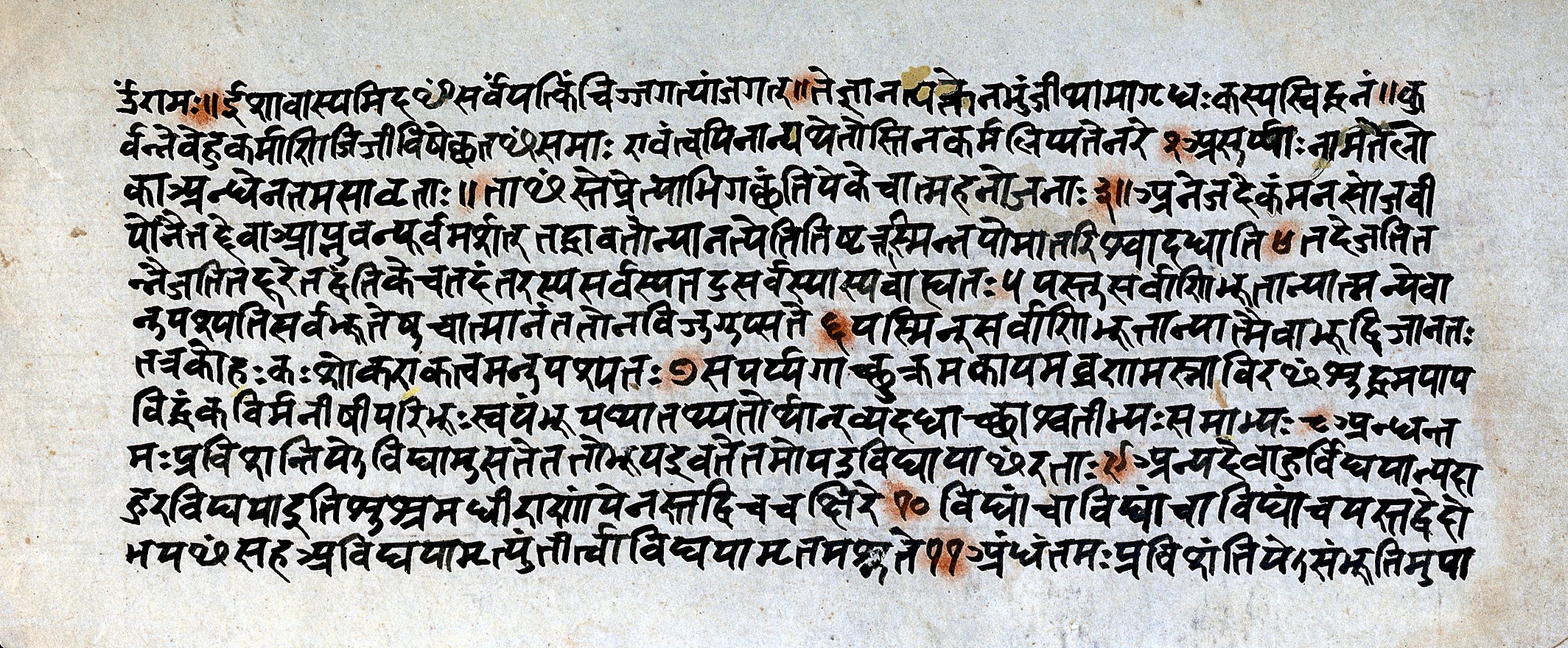
Overview
These ancient Sanskrit texts mark a shift from the ritual-heavy early Vedas to deep philosophical inquiry. Scholars place their composition between 800 and 200 BCE, though exact dates remain debated. The collection contains 108 known works, with the first dozen considered the most vital. These principal texts, often called the Mukhya Upanishads, appear in the final sections of the Brahmanas and Aranyakas. They explore meditation, consciousness, and the nature of reality rather than just sacrificial rites. The central theme links the individual soul, or Atman, to the universal spirit, Brahman. Later traditions like Vedanta built their systems around these core ideas alongside the Bhagavad Gita and Brahmasutra. While some later additions date as late as the 15th century CE, the earliest manuscripts predate Buddhism. No single author wrote them; instead, generations of sages memorized and passed down these oral teachings before they were finally recorded.