

“Stack's gravelly voice and the show's haunting visuals created a template that every true-crime show since has tried to copy, yet none have quite matched.”
Ken Tucker
Entertainment Weekly
 United States
"The truth is out there, waiting for you to find it."
Unsolved Mysteries transformed the television landscape in 1988 by merging the suspense of a radio drama with the raw emotion of real-life interviews. Created by John Cosgrove and Terry Dunn Meurer, the series premiered on NBC and quickly became a staple of late-night viewing across multiple networks including CBS, Lifetime, and Spike TV. The show operated on a simple yet powerful premise: presenting cold cases involving disappearances, unexplained deaths, and paranormal encounters without offering immediate answers. Each episode typically featured four to five distinct segments that wove together emotional testimony from victims' families with dramatic, noir-style reenactments.
The format turned viewers into active participants. By withholding the outcome of each story, the program forced audiences to weigh the evidence alongside the characters while ending segments with direct pleas for public assistance. A dedicated hotline allowed tips to flow directly to law enforcement, leading to the resolution of numerous high-profile cases over the decades. Whether exploring suburban kidnappings, bizarre cults, or alleged UFO sightings, the series treated every subject with a mix of skepticism and empathy, creating an archive of American folklore where the unresolved itself became the protagonist.
Availability and pricing can change. Confirm on the provider's site before purchasing.
The narrative engine of Unsolved Mysteries relies entirely on the tension of the unknown. Unlike scripted dramas that follow a hero's journey toward a clear victory, this anthology series places the search for truth against the silence of the void. Every segment begins with a specific incident, a child vanishing from a playground, a husband disappearing after a business trip, or a woman claiming abduction by extraterrestrials, and follows the investigation as it stalls. The producers selected stories based on their potential for public engagement, prioritizing cases where viewer tips could realistically lead to a breakthrough. This approach created a unique dynamic where the mundane world could turn terrifyingly strange overnight, inviting the audience to step into the role of detective.
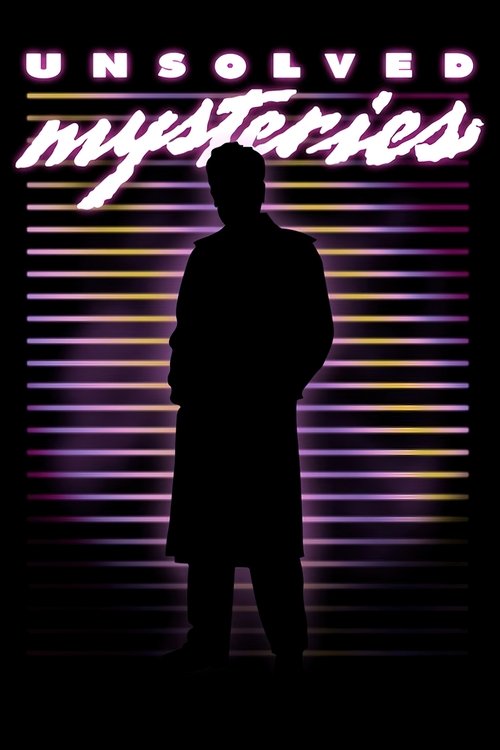
Throughout its original run spanning from 1988 to 2010, the show maintained a consistent structure that evolved slightly with each network change. Robert Stack anchored the classic NBC and CBS eras with his deep, resonant voice and signature trench coat, establishing a visual identity that felt like a modern-day film noir. When the series moved to Spike TV, Dennis Farina took over, bringing a grittier, more contemporary hosting style to the final seasons. Despite these shifts in presentation, the core conflict remained unchanged: the struggle between the desire for justice and the frustrating reality of unanswered questions. Each season functioned as a collection of standalone stories ranging from heart-wrenching family pleas to chilling supernatural tales, all tied together by the overarching theme of delayed or denied justice.
The revival produced by Netflix in 2020 continued this tradition, hosted initially by Patrick Stack, son of the original narrator. This version updated the visual style with higher production values and 4K resolution while keeping the core format intact. The series continues to operate on a model where individual cases may find closure through renewed public attention, such as the recent identification of the Unknown Wanderer, but the show itself remains an ongoing platform for new mysteries. Over 736 episodes and 14 seasons, the program proved that sometimes the most compelling stories are the ones that never end, leaving viewers with a lingering sense of mystery long after the credits roll.
Official Trailer
Tylenol Killer Special Teaser
Unknown Wanderer Update
Critical Consensus
Unsolved Mysteries stands as a pioneering force in true crime television, masterfully balancing the eerie atmosphere of horror with the solemnity of real-life tragedy. Its innovative use of reenactments and direct appeals to the public set a new standard for the genre, earning it a loyal following that spans generations. While some critics note the sensationalism inherent in the format, the show's enduring legacy lies in its genuine commitment to solving crimes and bringing comfort to grieving families, making it both a compelling drama and a vital public service.
“Stack's gravelly voice and the show's haunting visuals created a template that every true-crime show since has tried to copy, yet none have quite matched.”
Ken Tucker
Entertainment Weekly
“A perfect blend of the macabre and the heartfelt, Unsolved Mysteries turns the screen into a window into America's darkest secrets.”
David Bianculli
New York Daily News
“The show's power comes from its refusal to offer easy answers, forcing us to sit with the uncertainty that defines so much of life.”
Mick LaSalle
San Francisco Chronicle
“In an age of reality TV, Unsolved Mysteries proved that the most gripping stories are the ones that are actually happening.”
James Poniewozik
Time Magazine
“A masterclass in atmospheric storytelling that manages to be both terrifying and deeply human.”
Helen O'Hara
Empire Magazine
Robert Stack
Host (Original Run)
Dennis Farina
Host (Spike TV Revival)
Patrick Stack
Host (Netflix Revival)
Directors
John Cosgrove, Terry Dunn Meurer, Glenn Kirschbaum
Writers
Glenn Kirschbaum, Joshua Alper, Raymond Bridgers, Lynn Lawrence
Composer
Jay Ferguson
Producers
Terry Dunn Meurer, John Cosgrove, Glenn Kirschbaum, Joshua Alper, Raymond Bridgers, Lynn Lawrence
Peabody Award (1991)
Contribution to Public Service and Journalism: Won
Emmy Awards (1992)
Outstanding Informational Series: Nominated
People's Choice Awards (2021)
Favorite New TV Drama Program: Won
Critics' Choice Television Awards (2021)
Best Reality Series: Nominated
Join the community
fans discussing