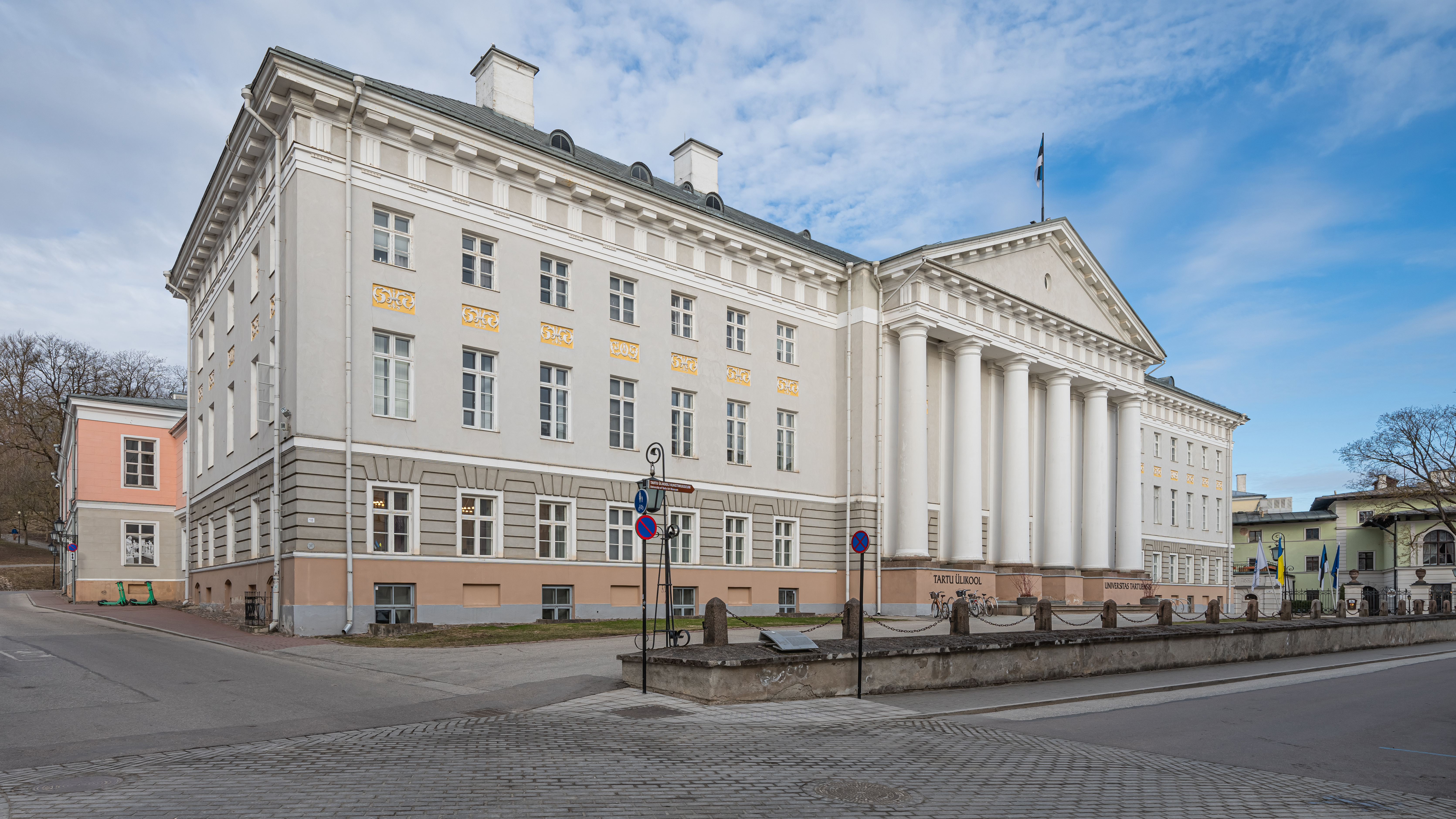
University of Tartu
 Estonia
"Estonia's national university, shaping minds since 1632"
About
The University of Tartu is Estonia's national university, a public research institution that has been shaping minds since the 17th century. Founded in 1632 by Swedish King Gustavus Adolphus, it is both the largest and oldest university in the country, with a rich history that spans nearly four centuries. Today, it serves as a vibrant academic hub in the city of Tartu, where over 15,500 students pursue their studies, including more than 1,400 international students from around the globe.
While Estonian is the primary language of instruction, the university offers a growing number of English-taught programs at various levels, making it an increasingly attractive destination for international learners. With a strong focus on research and innovation, the university has earned a reputation for excellence in fields like medicine, natural sciences, and digital technologies. Its role as the national university means it plays a central part in shaping Estonia's intellectual and cultural life, and its influence extends far beyond the classroom.
The university's commitment to digital transformation is evident in its High Performance Computing Centre, which is building fully sovereign AI infrastructure for Estonia. As the country positions itself in the global AI race, the university is at the forefront of ensuring national data independence and technological capability.
Mission
The University of Tartu's mission is to advance free research and uphold academic traditions while contributing to the development of Estonian society and culture. It aims to provide high-quality higher education, foster critical thinking, and promote innovation. As Estonia's national university, it carries the responsibility of preserving and enriching the country's intellectual heritage and preparing future leaders.
History
The University of Tartu was founded in 1632 by King Gustavus Adolphus of Sweden, during Sweden's era as a European power. Originally named Academia Gustaviana, it was established in the city of Tartu, then known as Dorpat, which was part of the Swedish Empire. The university's founding was part of a broader effort to strengthen Swedish influence in the Baltic region and to foster higher education in the area.
Throughout its nearly four centuries, the institution has undergone several transformations, reflecting the changing political landscape. It has operated under names such as Dorpat University, Yuryev University, and Yurev University, before adopting its current name. The university has been a crucible for Estonian intellectual life, contributing significantly to the development of Estonian national identity and culture.
In recent times, the university has continued to evolve, embracing digital transformation and internationalization. It has expanded its English-taught programs and strengthened partnerships with universities across Europe, positioning itself as a key player in global research and education.
Subdivisions
Faculty of Science and Technology
The largest faculty, covering fields such as physics, chemistry, computer science, and environmental science.
Faculty of Arts and Humanities
Focuses on languages, literature, philosophy, history, and cultural studies, with strong ties to Estonian national identity.
Faculty of Social Sciences
Includes economics, political science, sociology, and law, with research centers like the School of Economics.
Faculty of Medicine
Known for biomedical research and medical education, including pioneering health initiatives with the WHO.
Notable People
Laura Kasak
Lecturer of Human Genetics
Co-discovered a new gene causing fetal developmental anomalies.
Faculty of Medicine
Academic unit
Integrated WHO Global Competency Standards for refugee and migrant health into medical programs, a world first.
High Performance Computing Centre
Research unit
Building fully sovereign AI infrastructure for Estonia.
Milestones
1632
Founded by Swedish King Gustavus Adolphus as Academia Gustaviana.
1919
Became the national university of Estonia, with Estonian as the language of instruction.
2026
First university in the world to embed WHO Global Competency Standards for refugee and migrant health into its medical programs.
2026
Researchers discovered a new gene causing fetal developmental anomalies.
2026
Signed Strategic Partnership Agreement with Masaryk University.
Sources
Organization Info
- Founded
- 1632
- Headquarters
- Tartu
- Country
- Estonia
- Type
- University
- Students
- 15,500
- International Students
- 1,400+
Official Website
ut.ee
Join the community
fans discussing