University of São Paulo
 Brazil
"Brazil's largest public university and a powerhouse of research and culture"
About
The University of São Paulo, known in Portuguese as Universidade de São Paulo (USP), is Brazil's largest public university and one of Latin America's most prestigious higher education institutions. Founded on January 25, 1934, USP was assembled from several pre-existing schools in the state, including the Law School, the Polytechnic School, and the College of Agriculture. The university's creation that year was anchored by the establishment of the Faculty of Philosophy, Sciences, and Literature, which became the intellectual heart of the new institution.
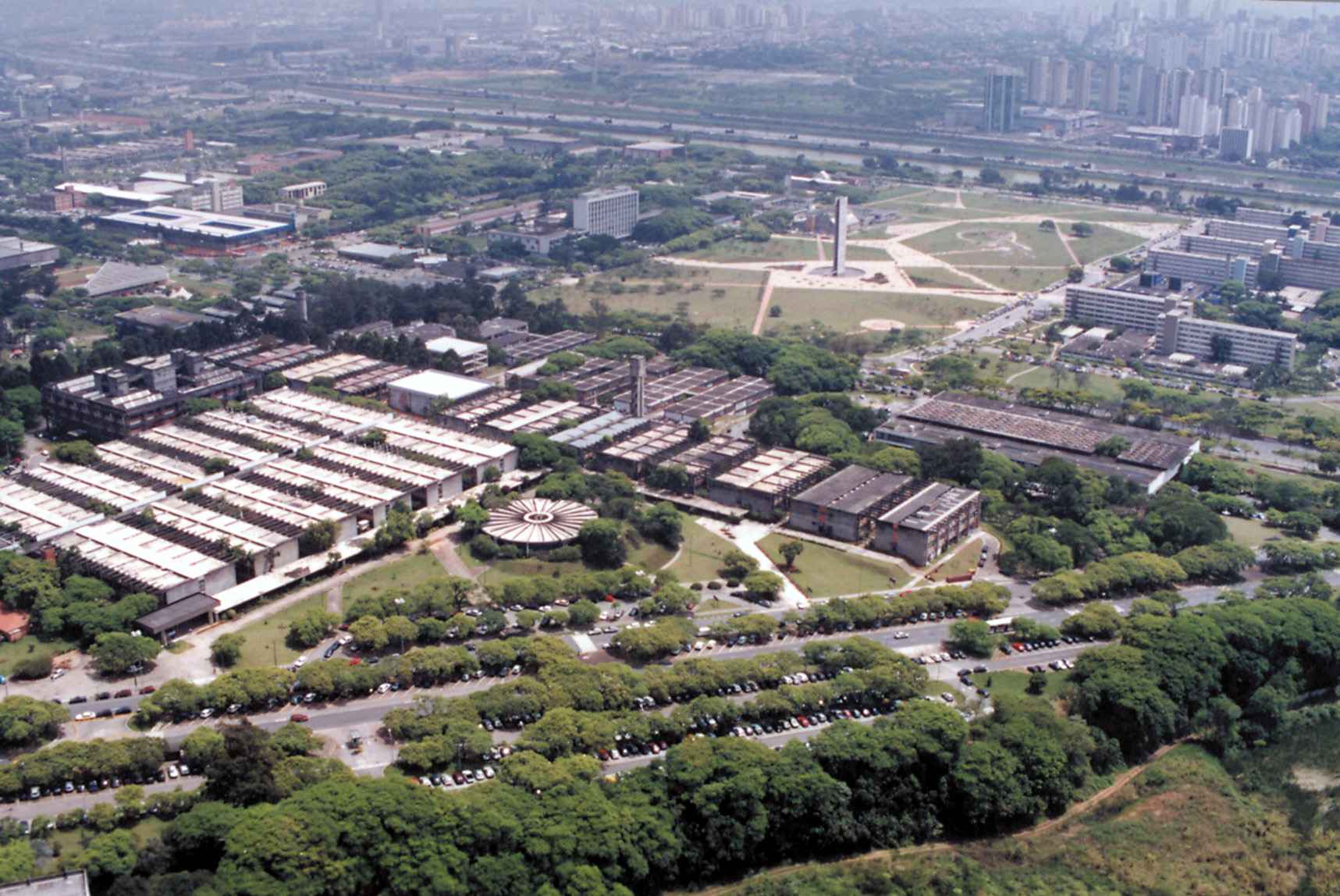
USP is a public research university with a strong emphasis on scientific inquiry and academic excellence. Its main campus, Cidade Universitária Armando de Salles Oliveira, sits in São Paulo city, but the university operates ten campuses across the state, from the capital to interior cities like Ribeirão Preto, Piracicaba, São Carlos, Bauru, and Pirassununga. The institution offers a vast array of undergraduate and graduate programs, spanning fields from engineering and medicine to humanities and the arts. With a student body exceeding 90,000 and a faculty of nearly 6,000, USP is a major driver of research output in Brazil, producing a significant share of the country's scientific publications.
The university has consistently ranked among the top universities in Latin America and is often compared to leading global institutions. Its alumni and faculty include prominent figures in politics, science, and culture, reflecting the university's role as a crucible for the nation's intellectual elite. USP's influence permeates Brazilian society, making it a subject of academic study and cultural reference. Its reputation for rigorous academics and research innovation attracts students from all over Brazil and abroad, cementing its status as a cornerstone of Brazilian higher education.
Mission
USP's mission is to promote higher education and research across all fields of knowledge, training professionals and researchers who contribute to the scientific, cultural, and economic development of Brazil. The university aims to maintain academic excellence and social relevance, fostering critical thinking and innovation while serving as a public institution committed to the needs of society.
History
USP's roots go back to 1827 with the founding of the Law School in São Paulo, but the university itself came together on January 25, 1934. The state government, led by then-governor Armando de Salles Oliveira, merged several existing professional schools, including the Law School, the Polytechnic School, and the College of Agriculture, into a single institution. The new Faculty of Philosophy, Sciences, and Literature was created as the academic heart, designed to train researchers and professors and to foster a culture of scientific inquiry across all fields.
Over the decades, USP expanded rapidly. New campuses opened in interior cities like Piracicaba, Ribeirão Preto, and São Carlos, each housing specialized faculties and research centers. The university became Brazil's largest producer of scientific research, contributing a significant share of the country's academic publications. In the 21st century, USP has strengthened its international collaborations, partnering with institutions like Yale, TU Delft, and INRAE on joint research projects. The university also plays a key role in United Nations initiatives, serving as a hub for the Sustainable Development Goals.
Subdivisions
Faculty of Philosophy, Sciences and Literature
The intellectual core of the university at its founding, dedicated to research and teacher training.
Polytechnic School
Engineering school, one of the oldest in Brazil, offering programs in civil, electrical, mechanical, and other engineering fields.
Faculty of Medicine
Medical school with a strong research focus, including the Ribeirão Preto campus with its new biomedical research center.
Law School
Faculdade de Direito, founded in 1827, one of the most prestigious law schools in Brazil.
Museum of Contemporary Art (MAC USP)
Cultural institution hosting major exhibitions, such as the Di Cavalcanti retrospective in late 2025.
Notable People
Carlos Gilberto Carlotti Junior
Rector · 2022-2026
Oversaw the establishment of the International Research Center on Planetary Health with INRAE
Aluísio Augusto Cotrim Segurado
Rector · 2026-present
Took office as rector in January 2026
Milestones
1827
Law School founded, later integrated into USP
1934
University of São Paulo officially founded
2025
New Center for Biomedical Research completed at Ribeirão Preto Medical School
2025
Established International Research Center on Planetary Health with INRAE
2026
Aluísio Segurado takes office as rector
Departments
Sources
Organization Info
- Founded
- January 25, 1934
- Headquarters
- Cidade Universitária Armando de Salles Oliveira, São Paulo, Brazil
- Country
- Brazil
- Rector
- Aluísio Augusto Cotrim Segurado
- Type
- University
- Campuses
- 10
- Students
- 90,000+
- Faculty
- ~6,000
Financials
- Employees
- 6000
Official Website
www.usp.br
Join the community
fans discussing