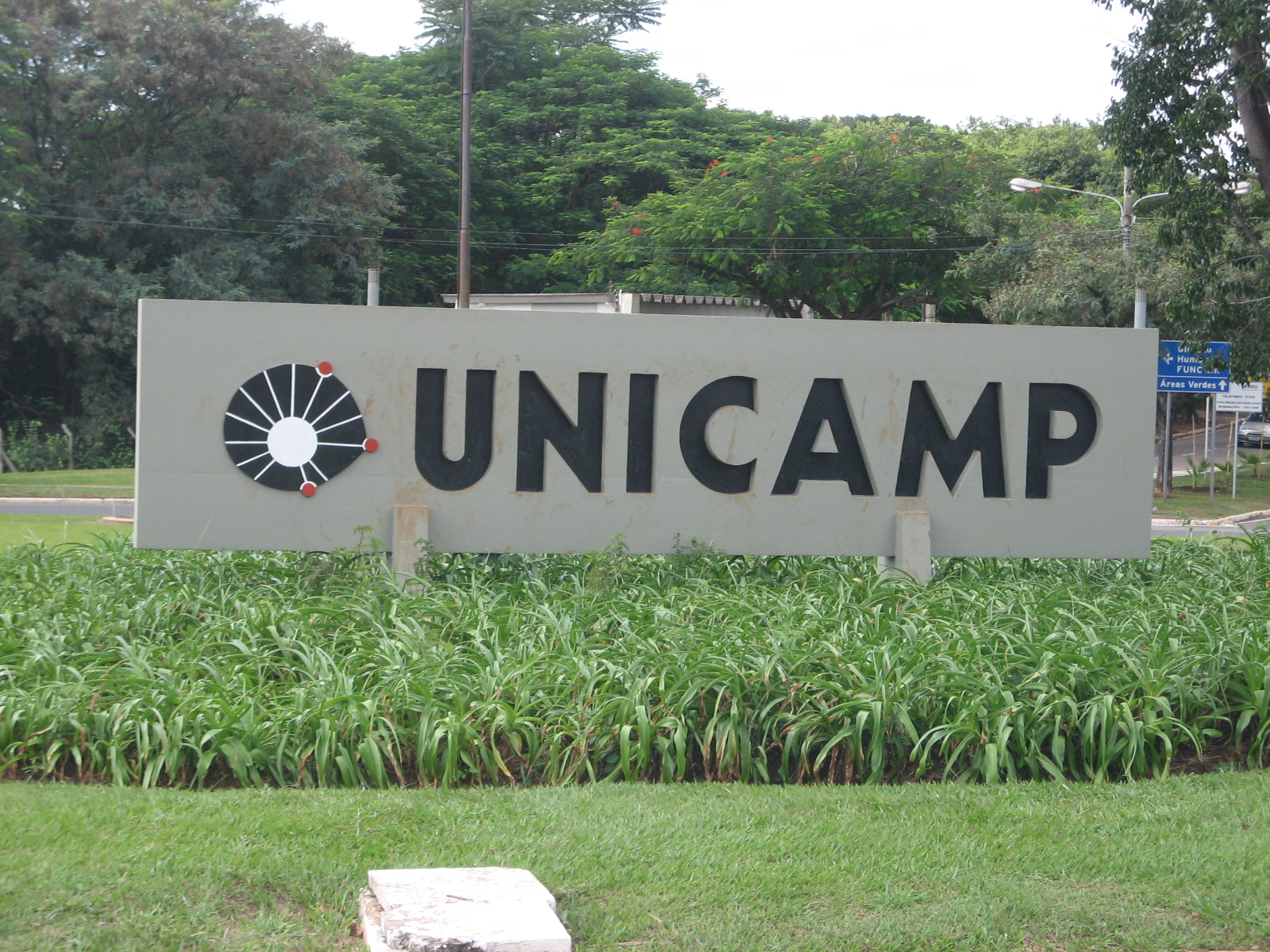
University of Campinas
 Brazil
"Public research university in São Paulo, Brazil"
About
The State University of Campinas, better known as Unicamp, is a public research university in the state of São Paulo, Brazil. It was formally created by state decree on December 28, 1962, and opened its doors to students in 1966. Unlike many older Brazilian universities that grew by consolidating existing schools, Unicamp was designed from the start as a purpose-built research hub. This clean slate allowed its planners to integrate research into the campus layout and curriculum from day one, a model that still distinguishes it today.
Unicamp's research emphasis shows in its student body: nearly half of its roughly 35,000 students are enrolled in master's and doctoral programs, the highest proportion among Brazilian public universities. The main campus sits in Campinas, about 100 kilometers northwest of São Paulo city, with additional campuses in Limeira and Piracicaba. The university is organized into more than 30 teaching and research units, including institutes of computing, chemistry, physics, biology, and medical sciences, plus a major teaching hospital, the Hospital de Clínicas.
Financially, Unicamp is one of Brazil's best-funded universities, with an annual budget that regularly exceeds R$3 billion (roughly US$600 million), drawn primarily from a fixed share of state tax revenue. It employs over 1,800 permanent faculty members and thousands of administrative and technical staff. The institution consistently ranks among the top universities in Latin America; in the QS World University Rankings 2027 it sits at #277 globally, and the Times Higher Education rankings place it as Brazil's leading university for medical and scientific research.
Mission
Unicamp's mission, as stated by the United Nations Institute for Training and Research, is to create and disseminate technological, cultural and artistic knowledge in all fields of knowledge. The university aims to produce high-level research, offer quality undergraduate and graduate education, and extend its expertise to society through outreach programs and partnerships with public and private institutions.
History
Unicamp's founding story begins with Zeferino Vaz, a prominent physician and educator who had previously been involved in creating the University of São Paulo's medical school. In the early 1960s, he convinced the São Paulo state government to establish a new university from scratch, rather than merging existing faculties. The state decree came on December 28, 1962, but it took several years to build the campus and hire faculty; classes finally began in 1966.
The university grew quickly. Its medical school and teaching hospital opened in the late 1960s, and the Institute of Computing was created in 1969, one of the first in Brazil. Graduate programs expanded through the 1970s, helping to build Brazil's postgraduate education system. In the 1970s, the military dictatorship brought political repression to campus, with some students and faculty persecuted or exiled.
Later decades saw continued growth. The Limeira campus opened in 2009, and the Faculty of Technology was established there. In recent years, Unicamp has launched new programs such as a course on AI and Data Science with a focus on social impacts in August 2026. The university has also dealt with budget constraints and internal disputes, including a 2026 public notice about land management at Fazenda Argentina.
Subdivisions
Institute of Computing
One of the first computer science institutes in Brazil, founded in 1969.
School of Medical Sciences
Medical school and teaching hospital, established in the late 1960s.
Gleb Wataghin Institute of Physics
Physics research institute named after the Russian-Brazilian physicist.
Faculty of Technology
Located in Limeira, offers technology-focused programs.
Notable People
Zeferino Vaz
Founder and first rector · 1966-1978
Physician and educator who shaped Unicamp's identity as a research-focused university.
Marcelo Gleiser
Alumnus, physicist · 1981-1986
Award-winning physicist and author, professor at Dartmouth College.
Fernando Meirelles
Alumnus, film director · 1980s
Director of City of God, nominated for an Academy Award.
Milestones
1962
State decree establishes Unicamp.
1966
Main campus opens to students.
1969
Institute of Computing founded.
2009
Limeira campus opens.
2026
New AI and Data Science course launched.
Departments
Sources
Organization Info
- Founded
- December 28, 1962
- Headquarters
- Campinas, São Paulo, Brazil
- Country
- Brazil
- Rector
- Antonio José de Almeida Meirelles
- Type
- University
- Founder
- Zeferino Vaz
- Students
- 35,000
- Faculty
- 1,800+ permanent
Financials
- Budget
- R$3 billion
- Employees
- 6000
Official Website
www.unicamp.br
Join the community
fans discussing