United States Geological Survey
 United States
"Science for a changing world"
About
The United States Geological Survey got its start on March 3, 1879, when Congress tacked a last-minute amendment onto an unrelated bill. That amendment, known as the USGS Organic Act, charged the new agency with classifying public lands and examining the nation's geological structure, mineral resources, and products. The push came from a National Academy of Sciences report that called for a single federal survey to inventory the vast territories acquired through the Louisiana Purchase and the Mexican-American War. Clarence King was tapped as the first director, pulling together pieces from the existing Hayden, Powell, and Wheeler surveys, which were dissolved that same June. After two years, John Wesley Powell took over and shaped the agency's early scientific direction.
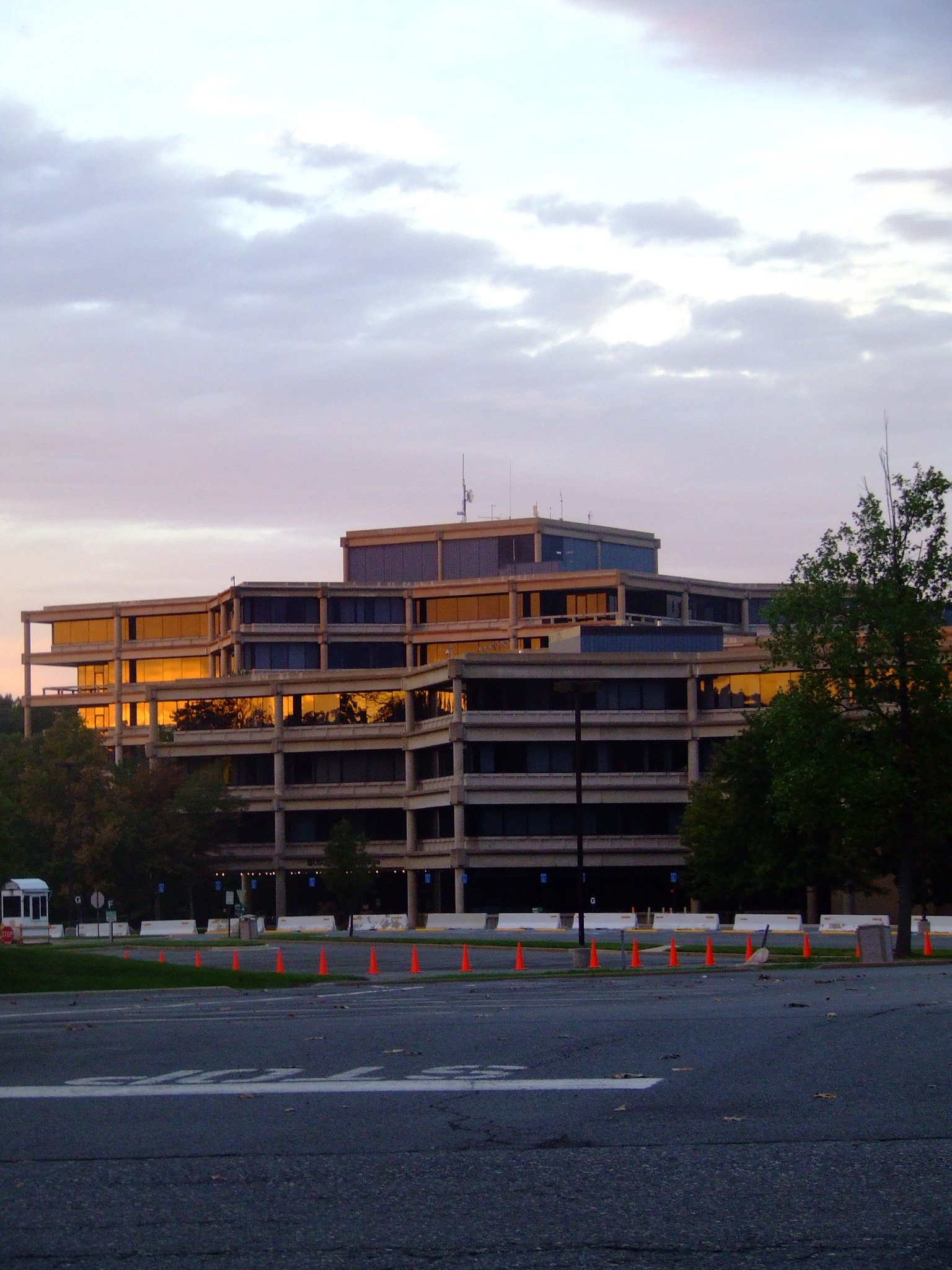
Headquartered at the John W. Powell National Center in Reston, Virginia, the USGS operates within the Department of the Interior but holds no regulatory authority. That distinction matters: the agency describes itself as an impartial fact-finding research organization, not an advocacy group or management body. Its scientists study earthquakes, volcanoes, floods, landslides, and tsunamis, providing real-time data that helps emergency managers and the public prepare. The agency also runs the Landsat satellite program, produces lidar-based maps of regional geography, and even maps other planets and moons using NASA mission data.
With a fiscal year 2023 budget of $1.497 billion and around 8,670 employees, the USGS covers a lot of ground. Its work spans hydrology, ecosystems, energy and minerals, and endangered species research. The agency publishes open data and web tools, including online glossaries for landslides, glaciers, and water terms. Ned Mamula currently serves as director. The USGS has faced political heat over climate science research, hydraulic fracturing studies, and maps of greater sage grouse habitat, but it keeps its focus on providing unbiased scientific information to describe and understand the Earth.
Products & Sub-brands
Frequently Asked Questions
Who owns the United States Geological Survey?
Who is the CEO of the USGS?
What is the USGS worth?
USGS vs NOAA: What's the difference?
Is the USGS still in business?
Keywords
Sources
Company Info
- Founded
- March 3, 1879
- Founder
- Clarence King
- CEO
- Ned Mamula
- Headquarters
- Reston, Virginia, United States
- Industry
- Scientific Research and Development
- Parent Company
- U.S. Department of the Interior
- Revenue
- 1497000000
- Employees
- 8670
- Annual Budget
- $1.497 billion (FY 2023)
- Parent Agency
- U.S. Department of the Interior
- Director
- Ned Mamula
Official Website
www.usgs.gov/
Join the community
fans discussing