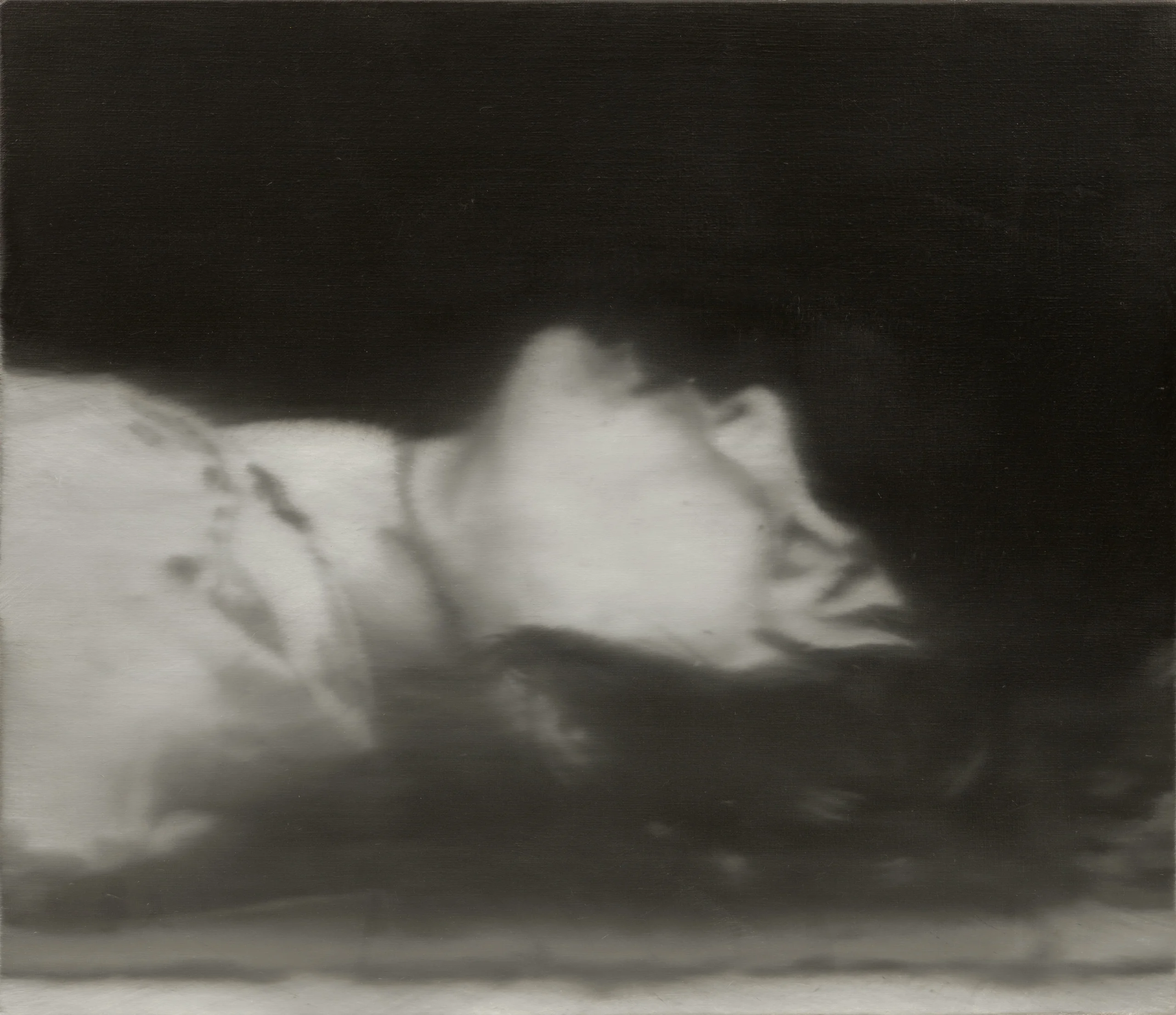
Ulrike Meinhof
 Germany
Also known as: Ulrike Marie Meinhof, Meinhof
Birthday
October 7, 1934
Birth Sign
Libra
Birthplace
Oldenburg, Germany
Age
Died at 41
About
Ulrike Meinhof stands as one of the most enigmatic and polarizing figures of 20th-century German history, a woman whose intellectual trajectory shifted from respected journalism to militant revolutionary leadership. Born on October 7, 1934, in Oldenburg, she initially carved out a reputation as a sharp, incisive voice against the conservative establishment of West Germany. Her early career was defined by her work in media, where she utilized her platform to critique capitalism, militarism, and the unresolved legacy of Nazism with a ferocity that captivated the post-war generation. However, her historical significance is inextricably linked to her transformation into a founding member of the Red Army Faction (RAF), an organization that would come to be known internationally as the "Baader-Meinhof gang." This shift marked a dramatic rupture between her public persona as a cultural critic and her private actions as an urban guerrilla.
Meinhof's enduring legacy is rooted in her role as the ideological architect of the RAF. Unlike many of her contemporaries who focused solely on action, she provided the group with a theoretical framework through her writings, most notably the manifesto The Urban Guerilla Concept. This document articulated the group's strategy of armed struggle, drawing heavily on Marxist-Leninist theory and the teachings of Mao Zedong to justify violence as a necessary tool for political change. Her ability to bridge the gap between academic discourse and street-level activism made her a unique figure in the radical movements of the 1970s. The narrative of her life is often framed by this stark contrast: the intellectual who became a fugitive, the mother who joined a terrorist cell, and the prisoner whose death remains a subject of intense historical debate.
The culmination of her story took place within the high-security walls of Stammheim Prison, where she spent her final years awaiting trial for severe crimes including murder and attempted murder. Her death on May 9, 1976, under circumstances that officially ruled suicide but which continue to fuel conspiracy theories, cemented her status as a martyr for some and a cautionary tale for others. The controversy surrounding her end has ensured that her name remains a flashpoint in discussions regarding state power, the limits of protest, and the moral complexities of political violence. Decades later, her life continues to be studied not merely as a biographical account but as a lens through which to view the turbulent political landscape of Cold War Europe.
Early Life & Background
Ulrike Marie Meinhof entered the world on October 7, 1934, in the northern German city of Oldenburg. She was raised in a strict, devoutly religious household; her father served as a Lutheran pastor, and her mother was deeply active in church affairs. This environment instilled in her a profound sense of morality and social responsibility from a young age, though these values would eventually clash with the secular realities of post-war Europe. During her childhood, she displayed an early aptitude for writing and a keen interest in social justice, frequently questioning the rigid structures imposed upon her. She attended high school in Hamburg, where she began to develop the critical voice that would later define her public career.
Meinhof pursued higher education at the University of Hamburg and subsequently transferred to the Free University of Berlin to study theology and sociology. Her academic background provided the theoretical foundation for her future work, yet she gradually abandoned traditional theological paths in favor of Marxist-Leninist ideology. She completed her studies in 1958, just as the political climate in West Germany began to shift dramatically. The shadow of Nazism still loomed large over German society, and the young Meinhof felt compelled to address these unresolved historical wounds through journalism rather than the pulpit.
In 1958, she joined the editorial staff of the weekly magazine Der Spiegel, where she wrote about social issues and politics. However, her tenure there was short-lived due to conflicts with the conservative management over her increasingly critical stance. The editors found her uncompromising approach difficult to manage. In 1961, she moved to konkret, a left-wing magazine, where she became the editor-in-chief and wrote the influential column "The State's Enemies" (Die Staatsfeinde). Her writing during this period was characterized by its incisive critique of the establishment and her support for anti-imperialist movements globally. By the late 1960s, she was a central figure in the student movement, organizing protests and speaking at rallies across West Germany. The pivotal shift in her career occurred in 1970 when she resigned from konkret to go underground and join Andreas Baader and Gudrun Ensslin in forming the RAF.
Career Growth
Meinhof established herself as a leading voice in the German left before her involvement with the RAF. In 1961, she moved to konkret, a left-wing magazine, where she became the editor-in-chief and wrote the influential column "The State's Enemies" (Die Staatsfeinde). Her writing during this period was characterized by its incisive critique of the establishment and her support for anti-imperialist movements globally. Her breakthrough moment came with her ability to articulate the frustrations of the post-war generation, bridging the gap between academic theory and grassroots activism.
The pivotal shift in her career occurred in 1970 when she resigned from konkret to go underground and join Andreas Baader and Gudrun Ensslin in forming the RAF. Her most significant written contribution to the group was The Urban Guerilla Concept (1971), a manifesto that laid out the ideological foundations of the RAF, citing Mao Zedong and advocating for armed struggle as the highest form of Marxism-Leninism. In 1972, Meinhof participated in the RAF's "May Offensive," a series of bombings targeting U.S. military installations and police stations. That same year, she was involved in the kidnapping of Peter Lorenz, a prominent industrialist, to demand the release of imprisoned RAF members.
In June 1972, she was arrested and spent the rest of her life in custody. In November 1974, she received an eight-year sentence for complicity in a near-fatal shooting during the 1970 jailbreak of Andreas Baader. From 1975, she stood trial alongside Baader, Ensslin, and Jan-Carl Raspe on further charges of murder and attempted murder. Her time in prison was marked by legal battles and personal turmoil. Before the trial could conclude, on May 9, 1976, she was found hanged in her cell at Stammheim Prison. The official ruling of suicide was met with widespread doubt.
Career Timeline
Public Image & Style
Ulrike Meinhof projected an image of intellectual rigor and unwavering conviction. Her writing style was sharp, direct, and often provocative, designed to challenge the complacency of West German society. She cultivated a persona of the radical intellectual who refused to compromise, even as her actions became increasingly violent. Media coverage often focused on the stark contrast between her early role as a respected journalist and her later status as a fugitive terrorist. Her appearance in court and prison was marked by a stoic demeanor, reinforcing the perception of her as a hardened revolutionary. The public discourse surrounding her life involved intense academic scrutiny and deep political polarization instead of fan clubs or stream parties. She was viewed by supporters as a martyr for the cause and by detractors as a dangerous extremist who had betrayed her intellectual heritage.
Fame & Fandom (iFAMOUS Rankings)
Ulrike Meinhof never had a fandom in the traditional sense. Unlike pop icons who cultivate devoted followings with specific names, rituals, and birthday campaigns, she commanded an audience of historians, political scientists, and those studying Cold War radicalism rather than celebrity worshippers. The public discourse surrounding her life involved intense academic scrutiny and deep political polarization instead of fan clubs or stream parties. Her legacy is defined by a dramatic arc from celebrated journalist to fugitive terrorist, culminating in a suicide at Stammheim Prison that remains the central piece of lore told to newcomers about her. While conspiracy theories occasionally suggest state murder, the consensus among experts holds to the official account of her hanging on May 9, 1976. The cultural mythology focuses on her transition from writing columns for konkret to joining Andreas Baader and Gudrun Ensslin in forming the Red Army Faction. Iconic moments include the 1972 kidnapping of industrialist Peter Lorenz and the 1977 hijacking of Lufthansa Flight 181, events often referenced in documentaries and films like Baader Meinhof Complex. Recent coverage in 2025 and 2026 continues to revisit her story through legal proceedings involving former members like Daniela Klette, yet these updates relate to historical re-evaluation rather than fan culture. There are no verified stories of fans fainting, streets shutting down in her honor, or viral content created in her name. iFANN's Global Fame Engine has evaluated this person, but they do not currently hold a placement in the published rankings (Global Top 1,000 or a Top-100 scope list). She is not featured in the September 2026 issue of iFAMOUS.
Interesting Facts and Legends
Ulrike Meinhof was originally trained as a theologian before turning to journalism and politics. She was one of the few women to hold a leadership position in the RAF, a male-dominated group. Her death sparked widespread debate about the treatment of political prisoners in West Germany. The term "Baader-Meinhof gang" was coined by the press, though the group preferred the name "Red Army Faction." Her son, Steffen Kuhn, has been vocal about his mother's death and the conspiracy theories surrounding it. Meinhof kept the surname Röhl for a time after her divorce but later reverted to her maiden name. The 2008 film The Baader Meinhof Complex reignited public debate, depicting the controversy surrounding her end. Recent developments in 2026 saw Daniela Klette jailed after decades on the run, reigniting interest in the group's history without creating a fanbase. Meinhof's famous quote, "The state monopoly on violence must be broken, and the people must take up arms against the state," encapsulates her ideological stance. Another notable statement attributed to her in letters from prison was: "You can stand up and fight only while you are alive. If they say I committed suicide, be sure that it was murder." These quotes reflect her ideological commitment to armed struggle and her deep distrust of the state apparatus.
Notable Quotes
“The state monopoly on violence must be broken, and the people must take up arms against the state.”
“You can stand up and fight only while you are alive. If they say I committed suicide, be sure that it was murder.”
Family & Personal Life
Ulrike Meinhof was born into a strict, religious household in Oldenburg. Her father was a Lutheran pastor, and her mother was deeply involved in church activities, creating an environment that fostered a strong sense of morality in her youth. She had one sister, Wienke Zitzlaff, who remained close to her throughout their lives and later became a vocal critic of the official investigation into Ulrike's death. Meinhof also had a son, Steffen Kuhn (born Steffen Röhl) in 1957, with her former husband Klaus Rainer Röhl. Steffen has been vocal about his mother's death and the conspiracy theories surrounding it, often challenging the narrative of suicide. As of her death in 1976, she was single, having been separated from Röhl for several years prior to her arrest. There are no other publicly documented romantic relationships or marriages for Ulrike Meinhof. After the divorce, Meinhof kept the surname Röhl for a time but later reverted to her maiden name, Meinhof. Her family ties were complex, particularly given the ideological rift that developed between her and her husband as her radicalization deepened.
Notable Connections
Relationships & Dating History
Ulrike Meinhof was married once, to Klaus Rainer Röhl, a co-founder of the magazine konkret. They married in 1955, and their relationship was both professional and personal, as they worked together on the magazine. However, their marriage ended in divorce in 1969, largely due to ideological differences and Röhl's growing discomfort with Meinhof's increasing radicalization. They had one son together, Steffen Kuhn (born Steffen Röhl), who was born in 1957. After the divorce, Meinhof kept the surname Röhl for a time but later reverted to her maiden name, Meinhof. There are no other publicly documented romantic relationships or marriages for Ulrike Meinhof. As of her death in 1976, she was single, having been separated from Röhl for several years prior to her arrest. Her primary collaborators in the RAF were Andreas Baader, Gudrun Ensslin, and Jan-Carl Raspe, with whom she co-founded the group.
- MarriedKlaus Rainer Röhl1955 - 1969Co-founded konkret magazine together; divorced due to ideological differences.
Death & Aftermath
Died
May 9, 1976 (aged 41)
Death Place
Stammheim Prison, Stuttgart, West Germany
Cause of Death
Suicide by hanging
Ulrike Meinhof died on May 9, 1976, in her high-security cell at Stammheim Prison near Stuttgart. Guards discovered her body hanging from a makeshift noose constructed from bed sheets, leading authorities to rule the cause of death as suicide by hanging. This conclusion rested on immediate discovery and internal prison investigations. In the weeks prior, she had endured solitary confinement while writing legal defenses for co-defendants during the Stammheim trial. Her final months were marked by letters expressing despair over the fragmentation of the Red Army Faction and the harsh conditions of her detention. The official narrative faced immediate skepticism from her family and the German left. Her sister, Wienke Zitzlaff, claimed Meinhof had told her days earlier: "You can stand up and fight only while you are alive. If they say I committed suicide, be sure that it was murder." Her son, Steffen Kuhn, also publicly stated that he did not believe she committed suicide. While the Federal Prosecutor's office maintained the evidence pointed conclusively to suicide, the case remained a subject of persistent conspiracy theories. Public reaction was sharply polarized; conservative media celebrated the end of the terrorist threat, while far-left movements held vigils in Berlin and Frankfurt to honor her as a martyr. Sales of her writings spiked dramatically in the months following her death. A private funeral took place on May 12, 1976, in Hamburg, attended only by close family members before she was cremated and her ashes scattered in the North Sea. Decades later, the 2008 film The Baader Meinhof Complex reignited public debate, depicting the controversy surrounding her end.
Net Worth (Estate Value)
$0
iFANN Editorial Team estimate
As Ulrike Meinhof died in 1976, she does not have a current net worth. Her estate value is not tracked in modern financial terms, as her assets were minimal and likely liquidated or distributed shortly after her death. Posthumous earnings from book sales, licensing deals, and media appearances (such as the 2008 film The Baader Meinhof Complex) are managed by her heirs or the publishing houses holding her rights. There are no specific figures available for her estate's current value, as her legacy is primarily cultural and historical rather than financial. The iFANN Editorial Team estimates that any potential estate value today remains negligible compared to commercial celebrities, reflecting the non-profit nature of her life's work and the lack of major commercial ventures beyond her writings. Any income generated from her literary works goes toward maintaining her historical legacy rather than personal accumulation.
Awards & Accolades
Known For
The Baader Meinhof Complex
2008 · Subject
Der Spiegel
1958 · Journalist
konkret
1961 · Editor-in-Chief
Keywords
Sources
Quick Facts
- Profession
- journalist, writer, sociologist
- Born
- October 7, 1934
- Birthplace
- Oldenburg, Germany
- Died
- May 9, 1976
- Death Place
- Stuttgart, West Germany
- Gender
- Female
- Spouse
- Klaus Rainer Röhl
- Birth Sign
- Libra
Personal Details
- Full Name
- Ulrike Marie Meinhof
- Spouse
- Klaus Rainer Röhl
- Children
- Steffen Kuhn
- Education
- University of Hamburg; Free University of Berlin
Filmography
1
Total
1
Film
0
TV
Frequently Asked Questions
Who was Ulrike Meinhof?
How did Ulrike Meinhof die?
What was Ulrike Meinhof's role in the RAF?
Was Ulrike Meinhof murdered?
Did Ulrike Meinhof have children?
Similar People
Join the community
fans discussing