
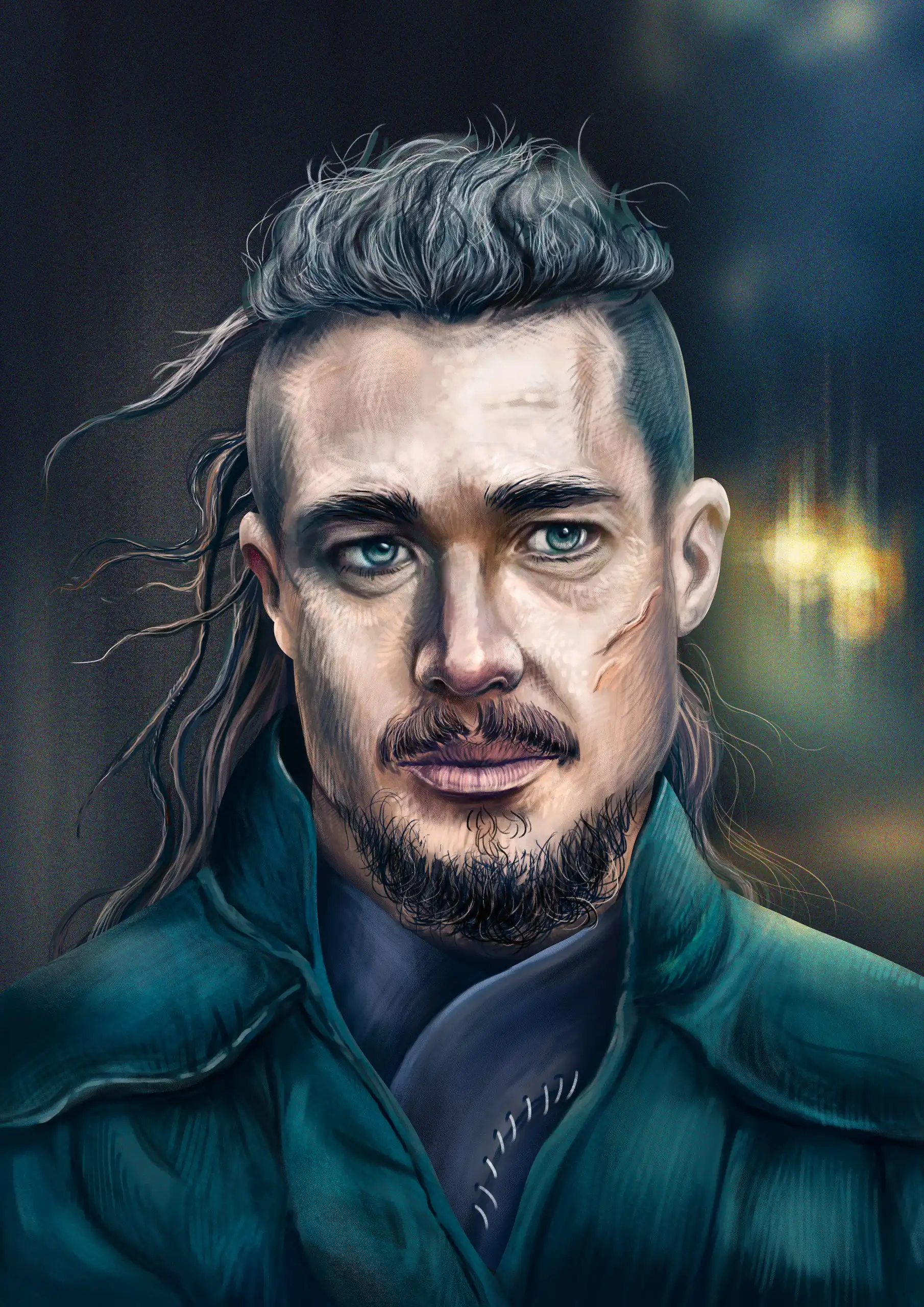
Uhtred of Bamburgh
Also known as: Uchtred, Uhtred the Bold, Lord Uhtred
Birthday
+1000
Birth Sign
Capricorn
Birthplace
Bamburgh, Northumbria
Age
Died at 16
About
Uhtred of Bamburgh (often called Uhtred the Bold) was a powerful Anglo-Saxon nobleman who ruled Bamburgh and served as the ealdorman of Northumbria from 1006 until his death around 1016. Born into the Eadwulfingas dynasty, he inherited a position of significant influence in northern England during a time of intense conflict between English kings, Danish invaders, and Scottish border lords. Unlike the fictional character popularized by Bernard Cornwell's novels, the historical Uhtred was born into a native Northumbrian family rather than being raised by Danes.
His tenure as ealdorman placed him at the center of the struggle to defend the northern frontier against Viking expansion. He remained loyal to King Æthelred the Unready but faced immense pressure from Cnut the Great and local rivals. His life ended abruptly in 1016, likely through assassination by Thurbrand the Hold, an act that triggered a decades-long blood feud. Though he left no direct descendants to carry on his specific line immediately after his death, his legacy survives in medieval chronicles and the enduring ruins of the castle he once commanded.
Early Life & Background
Born around the year 1000 AD, Uhtred entered the world within the fortified walls of Bamburgh Castle, also known as Bebbanburg. This massive stronghold sat atop a volcanic rock overlooking the North Sea, serving as the ancestral seat of the Eadwulfingas family for over a century. As the son of Waltheof I, the previous ruler of Bamburgh, Uhtred grew up immersed in the martial culture of the Anglo-Saxon nobility. His childhood was not spent in peace but in preparation for the constant warfare that defined the region.
From a young age, he received rigorous training in the military arts expected of a high-born lord. He learned swordsmanship, horsemanship, and the strategies of siege warfare while growing up alongside other young nobles destined to serve the crown. His education also included the administration of justice and the management of vast estates, skills necessary for maintaining order in a volatile borderland. By the time he reached adulthood, he had established himself as a capable warrior and administrator within the fortress, ready to take on the responsibilities of leadership.
Career Growth
In 1006, Uhtred succeeded his father as the de facto ruler of Bamburgh and was formally appointed ealdorman of Northumbria. This role made him the highest-ranking official in the north, responsible for defending the region against Danish incursions and managing relations with the Scots. His career was defined by his staunch loyalty to the English crown under King Æthelred the Unready, even as the kingdom crumbled under the weight of Viking invasions.
Throughout the decade of his rule, Uhtred led campaigns against Danish forces and navigated the complex political landscape of the borderlands. He managed to hold the northern territories together despite the chaos sweeping across England. However, his authority was constantly challenged by internal rivals and external threats. In 1016, amidst the final push of Cnut the Great to conquer all of England, Uhtred met his end. Whether he fell in battle or was assassinated by Thurbrand the Hold, his death marked the collapse of his power and the beginning of a new era of Danish dominance in the north.
Career Timeline
Public Image & Style
Historically, Uhtred is viewed as a loyal but tragic Anglo-Saxon hero cut down in his prime during a time of national crisis. He is remembered as a steadfast defender of the north who faced overwhelming odds against Danish invaders. In modern pop culture, his image has been transformed by Bernard Cornwell's novels and the Netflix series The Last Kingdom, where he is portrayed as a brooding, sword-wielding anti-hero. While the fictional version bears little resemblance to the historical figure's upbringing, the real Uhtred's reputation as a fierce warrior and loyalist remains intact in historical scholarship.
Fame & Fandom (iFAMOUS Rankings)
iFANN has not yet collected fame data for this person outside the current published rankings. He does not appear on the September 2026 iFAMOUS Rankings flagship list. The fanbase associated with his name is actually centered on the fictional character played by actor Alexander Dreymon in The Last Kingdom. There is no specific historical fandom name for the real Uhtred, but fans of the show organize visits to Bamburgh Castle to see the location that inspired the story. Tourism initiatives like the "Follow in the Footsteps of Uhtred" tours offered by the castle keep the historical figure relevant in the public consciousness.
Interesting Facts and Legends
Historical records often distinguish this Uhtred from an earlier figure named Uhtred, the son of Eadwulf I, which is why he is commonly referred to as Uhtred the Bold. The primary source for his life and death is the chronicle De obsessione Dunelmi, which details the siege of Durham and the tragic end of the ealdorman. A persistent legend suggests that his murder sparked a generational blood feud between the Eadwulfingas and the family of Thurbrand the Hold, a conflict that shaped Northumbrian politics for decades. Despite his importance, no statues or monuments were erected in his lifetime, and his burial site remains unknown to this day.
Family & Personal Life
Uhtred belonged to the Eadwulfingas family, a powerful dynasty that had governed Bamburgh for over a century. His father was Waltheof I, the previous ruler of the castle and its surrounding lands. He was married twice, first to Ecgfrida and later to Ælfgifu, unions that were likely political alliances designed to strengthen his standing among the nobility. Unlike the fictional character who had many children and romantic entanglements, the real Uhtred's domestic life is obscure. No detailed records of children survive in medieval charters, though the continuity of his family line suggests he may have had heirs who either died young or were overshadowed by the political upheaval of the era.
Notable Connections
Relationships & Dating History
Uhtred's relationships were strictly formal and political, typical of the Anglo-Saxon nobility. He was married to two women: Ecgfrida and Ælfgifu. These marriages were arranged to secure alliances and strengthen his claim to Bamburgh. There is no record of any romantic flings or informal dating, as the concept of modern dating did not exist. His marital life ended with his death in 1016, leaving him widowed in the context of a violent political landscape. No children are explicitly recorded in surviving sources, though the continuity of his family line suggests he may have had heirs who died young or were overshadowed by the political upheaval.
- MarriedEcgfridaUnknown - UnknownFirst wife, marriage likely political alliance.
- MarriedÆlfgifuUnknown - 1016Second wife, marriage ended with his death.
Death & Aftermath
Died
+1016 (aged 16)
Death Place
Northumbria
Cause of Death
Assassination or battle wounds
The death of Uhtred the Bold in late 1016 marked a violent turning point for Northumbria. Historical records from De obsessione Dunelmi describe his end as an assassination rather than a heroic fall in battle. While some accounts suggest he died fighting Cnut the Great's Danish forces, the prevailing narrative points to a treacherous murder orchestrated by Thurbrand the Hold, a rival noble whose family held a centuries-old grudge against Uhtred's Eadwulfingas lineage. The exact location of his death remains debated, with historians arguing between the grounds of Bamburgh Castle and the surrounding rugged landscape of the north.
Following his murder, no formal funeral or public mourning took place. Instead, the region descended into a bloody blood feud that consumed families for generations. His estate was seized by rivals, and the fortress of Bebbanburg eventually slipped from Anglo-Saxon hands into Danish control before the Norman Conquest reshaped England entirely. Centuries later, the stone walls of Bamburgh Castle stand as the only enduring monument to his rule, preserving the memory of a man who was cut down in his prime during one of the most turbulent eras in British history.
Net Worth (Estate Value)
$0
iFANN Editorial Team estimate
As a nobleman living in the early 11th century, Uhtred did not accumulate wealth in the modern sense of currency or bank accounts. His "net worth" consisted of land, livestock, and the feudal rights associated with ruling Bamburgh and Northumbria. The value of his estate would have been measured in hides of land, cattle, and the ability to levy taxes and raise armies. Following his death, his assets were seized by rivals, and the economic power of the Eadwulfingas family was dismantled. There are no financial records or estimates of his personal fortune available today, as the concept of individual net worth did not exist in the same way it does now.
Awards & Accolades
Known For
The Last Kingdom
2015 · Inspiration for main character
The Saxon Stories
1986 · Historical basis for Uhtred Ragnarsson
Keywords
Sources
Quick Facts
- Profession
- magistrate, military officer
- Born
- +1000
- Died
- +1016
- Gender
- Male
- Spouse
- Ecgfrida, Ælfgifu
Personal Details
- Full Name
- Uhtred the Bold
- Spouse
- Ecgfrida, Ælfgifu
- Children
- None recorded
- Education
- Military training and governance at Bamburgh
Frequently Asked Questions
Is Uhtred of Bebbanburg based on a real person?
How old was Lord Uhtred when he died?
Did Uhtred live in Bamburgh Castle?
Was Uhtred assassinated?
What happened to Bamburgh after Uhtred died?
Similar People
Join the community
fans discussing