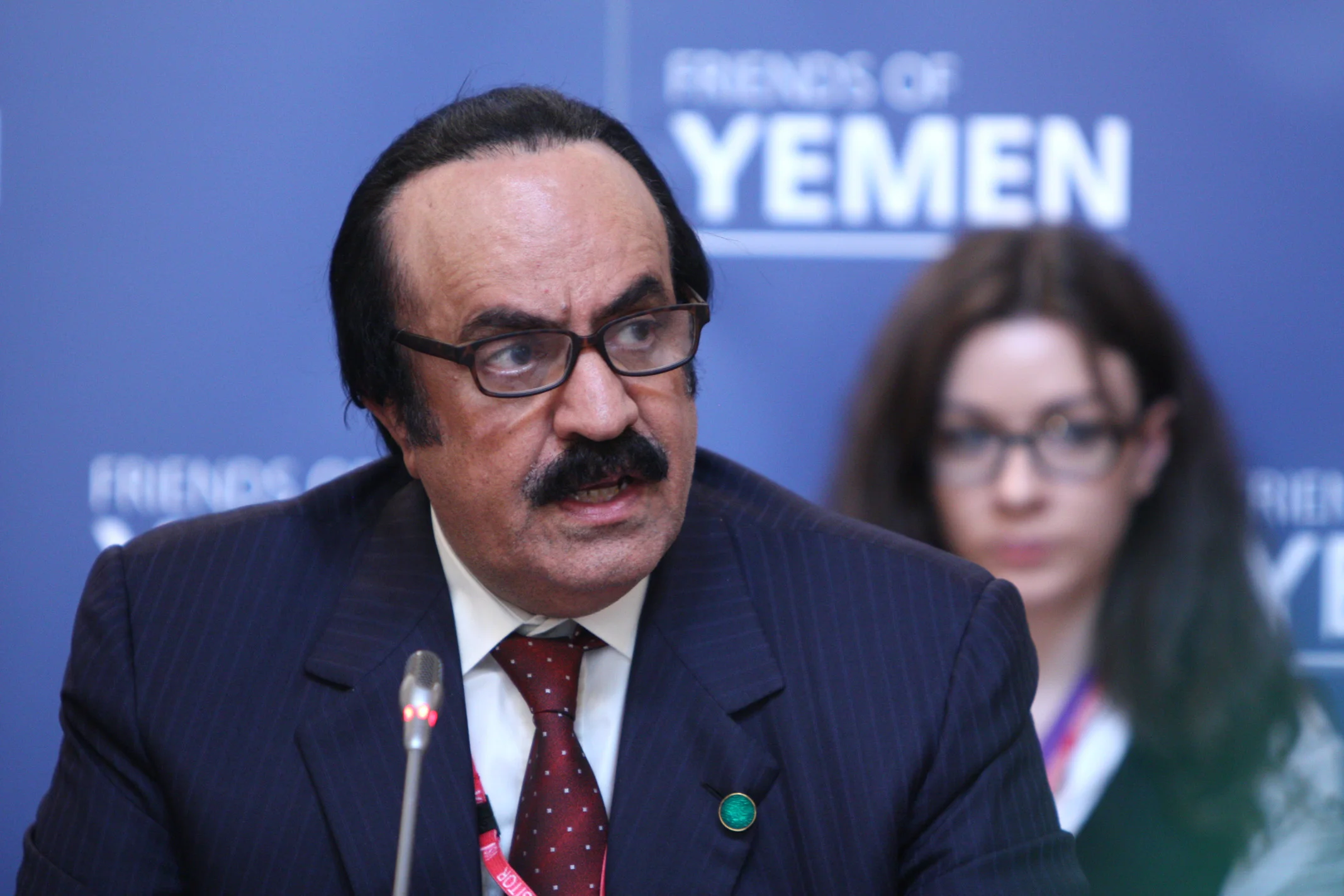
Turki bin Saud Al Kabeer
 Saudi Arabia
Also known as: تركي بن سعود بن تركي بن سعود الكبير
Birthday
January 1, 1991
Birth Sign
Capricorn
Birthplace
Saudi Arabia
Age
Died at 25
About
Turki bin Saud Al Kabeer was a Saudi prince, born in 1991 in Saudi Arabia. He was a great-grandson of Prince Saud Al Kabeer, a cousin and brother-in-law to King Abdulaziz, the founder of modern Saudi Arabia, and an influential advisor in the royal court. Turki's own life, however, ended in tragedy: he was executed on October 18, 2016, at age 24, for the murder of a fellow citizen. His execution marked the first time in nearly four decades that a member of the Saudi royal family faced capital punishment.
His case drew international attention because of its rarity and the circumstances surrounding the crime. Turki pleaded guilty to shooting Adel bin Suleiman bin Abdulkareem Al-Muhaimeed during a mass brawl at a desert camp outside Riyadh in 2013. The execution was carried out by beheading, and the Saudi Interior Ministry announced it as a retaliation (qisas) under Islamic law, as the victim's family did not grant pardon.
Despite his royal lineage, little is known about his personal achievements or public life. His story remains a somber footnote in Saudi history, prompting discussions about justice and accountability within the kingdom.
Early Life & Background
Born in 1991 in Saudi Arabia, Turki bin Saud Al Kabeer belonged to the Al Kabeer cadet branch of the Saudi royal family. His great-grandfather, Prince Saud Al Kabeer, was a prominent figure who served as a cousin and brother-in-law to King Abdulaziz and was part of the king's inner circle. The family's history is deeply intertwined with the founding of the modern Saudi state.
Details about Turki's childhood and upbringing are scarce. He grew up in a society where royal family members often lead private lives, shielded from public scrutiny. As a young man, he likely enjoyed the privileges and expectations that come with royal status, though specific events from his early years are not documented.
His life took a fateful turn in 2013 when he became involved in a mass brawl at a desert camp outside Riyadh. The altercation, described as a group quarrel, resulted in the shooting death of Adel bin Suleiman bin Abdulkareem Al-Muhaimeed. Turki pleaded guilty to the killing, a decision that would ultimately lead to his execution.
Career Growth
Turki bin Saud Al Kabeer did not have a public career in the conventional sense. As a minor prince, his life was not marked by professional achievements or public roles. His notability stems entirely from his conviction and execution.
In 2013, he was involved in a fatal shooting during a mass brawl at a desert camp outside Riyadh. The victim, Adel bin Suleiman bin Abdulkareem Al-Muhaimeed, died from gunshot wounds. Turki pleaded guilty to the murder, and under Islamic law, the victim's family had the right to demand retribution (qisas). They did not grant pardon, leading to his death sentence.
His execution on October 18, 2016, was carried out by beheading in Riyadh. The Saudi Interior Ministry announced the sentence, noting that "Shariah penalty is awaiting" anyone who commits serious crimes. This event made him the first Saudi royal to be executed in nearly four decades, drawing international media coverage from outlets like CNN, BBC, and The Guardian.
Career Timeline
Public Image & Style
Turki bin Saud Al Kabeer's public image is defined entirely by his execution. Media portrayals consistently describe him as a "minor prince" or "young prince" who was executed for murder. The case was notable primarily for its rarity, as executions of Saudi royals are extraordinarily rare.
International coverage highlighted the stark contrast between his royal status and the severity of his punishment. Some commentators saw it as a sign of legal accountability, but analysts cautioned against such interpretations, noting that the execution of a minor prince did not indicate broader reforms.
In Saudi society, the case prompted discussions about justice and the rule of law, though official narratives focused on the application of Shariah law. His legacy remains a somber one, remembered more for the circumstances of his death than for any achievements during his life.
Fame & Fandom
The public memory of Turki bin Saud Al Kabeer is defined not by celebrity adoration or cultural fandom, but by the singular gravity of his legal execution. Unlike entertainers or athletes who cultivate dedicated followings through performances and public appearances, he possessed no fanbase in the traditional sense. There are no documented rituals, birthday campaigns, or organized groups of supporters who rallied for his release or celebrated his life after his death. The narrative surrounding him is one of judicial history rather than pop culture mythology; he was a minor prince whose name became synonymous with a rare precedent in Saudi Arabia: the capital punishment of a royal family member for murder. While international media scrutinized the case as a potential signal of accountability within the Kingdom, this attention remained analytical and historical, devoid of the emotional fervor that characterizes genuine fandoms. No official or unofficial group has adopted a specific name to represent his admirers, nor are there records of fan interactions, merchandise, or digital communities dedicated to his legacy. His story remains a matter of public record and legal significance, lacking the viral moments or iconic performances that typically generate a devoted audience. Consequently, the concept of a fandom for Turki bin Saud Al Kabeer does not apply to his life or posthumous reputation. In terms of global visibility metrics, Turki bin Saud Al Kabeer is currently evaluated by the iFANN Global Fame Engine but holds no placement in the published rankings. He is not listed among the Global Top 1,000 most famous individuals, nor does he appear on any Top-100 scope lists. The system acknowledges his presence in historical records without assigning a numerical rank or score.
Interesting Facts and Legends
Turki bin Saud Al Kabeer's execution marked the first time in nearly four decades that a member of the Saudi royal family faced the death penalty, following the case of Princess Mishaal bint Fahd bin Mohammed Al Saud in 1977. The crime itself took place at a desert camp during what officials described as a "group quarrel," resulting in the fatal shooting of Adel bin Suleiman bin Abdulkareem Al-Muhaimeed. In his final hours, the Prince spent approximately four hours meeting with his family in an emotional farewell before being executed in Riyadh. Following the event, the Saudi Interior Ministry issued a stern warning that the "Shariah penalty is awaiting" anyone else committing similar serious crimes. Analysts at the Washington Institute observed that speculation regarding increased accountability due to this execution was likely misplaced. The Wikipedia page for the incident garnered approximately 2,097 views over a 60-day period, driven primarily by readers from Arabic and English-speaking regions. This case stands as a verified historical event where a direct descendant of the ruling family was put to death under Shariah law for a crime of passion, emphasizing the principle of Qisas (retaliation).
Family & Personal Life
Turki bin Saud Al Kabeer was a great-grandson of Prince Saud Al Kabeer, a cousin and brother-in-law to King Abdulaziz, the founder of modern Saudi Arabia. Prince Saud Al Kabeer was an important advisor within the king's inner circle, and his descendants formed the Al Kabeer cadet branch of the royal family.
Details about Turki's immediate family, including his parents and siblings, are not publicly documented. In his final hours, he met with his family for approximately four hours in what was described as a highly emotional goodbye, suggesting a close family bond.
Given his death at age 24, he did not leave behind a documented spouse or children. His family's private nature means little is known about their personal dynamics or household.
Notable Connections
Turki bin Saud Al Kabeer is associated with Prince Saud Al Kabeer, his great-grandfather, who was a cousin and brother-in-law to King Abdulaziz and an influential advisor. The victim of his crime, Adel bin Suleiman bin Abdulkareem Al-Muhaimeed, is also central to his story. King Salman, the reigning monarch at the time, authorized the execution under his authority.
Relationships & Dating History
Death & Aftermath
Died
October 18, 2016 (aged 25)
Death Place
Riyadh
Cause of Death
Execution by beheading
In the final hours before his execution, Turki bin Saud Al Kabeer spent approximately four hours with his family in a private meeting within Riyadh, marking an emotional farewell before the state carried out its sentence. The Saudi Interior Ministry announced on Tuesday, October 18, 2016, that the prince had been executed by beheading in the capital city following a conviction for murder. This judicial ruling satisfied the demand for retribution (qisas) made by the victim's family after Turki pleaded guilty to shooting Adel bin Suleiman bin Abdulkareem Al-Muhaimeed during a brawl three years prior. The event drew significant international scrutiny as the first execution of a member of the Saudi royal family since 1975, though it was treated as a standard legal conclusion rather than a cause for public mourning or tribute. The case concluded the matter through the criminal justice system, serving as a stark reminder of the application of Shariah law even among high-ranking officials.
Net Worth (Estate Value)
$0
iFANN Editorial Team estimate
No credible public source reports a net worth or estate value for Turki bin Saud Al Kabeer. As a minor member of the extended Saudi royal family who died at 24, individual finances were never disclosed. The Saudi royal family's wealth is held collectively, and specific princes' assets remain undocumented. Given the absence of any business ventures, investments, or public financial activities, his personal net worth is effectively zero. The estate, if any, would have been absorbed into the royal family's holdings. No posthumous earnings or estate revenue streams have been reported. Per iFANN's editorial analysis, the total value is $0. As of 2026, there is no public information about the management of any estate or financial legacy. His case remains a matter of legal and historical record rather than financial interest.
Awards & Accolades
Keywords
Sources
Quick Facts
- Born
- 1991
- Birthplace
- Saudi Arabia
- Died
- October 18, 2016
- Death Place
- Riyadh, Saudi Arabia
- Gender
- Male
- Age at Death
- 24
Personal Details
- Full Name
- تركي بن سعود بن تركي بن سعود الكبير
Frequently Asked Questions
Why was Prince Turki bin Saud Al Kabeer executed?
Was Turki bin Saud Al Kabeer the first Saudi prince to be executed?
When and where was Turki bin Saud Al Kabeer executed?
How old was Turki bin Saud Al Kabeer when he died?
What was the relationship between Turki bin Saud Al Kabeer and the Saudi royal family?
Join the community
fans discussing