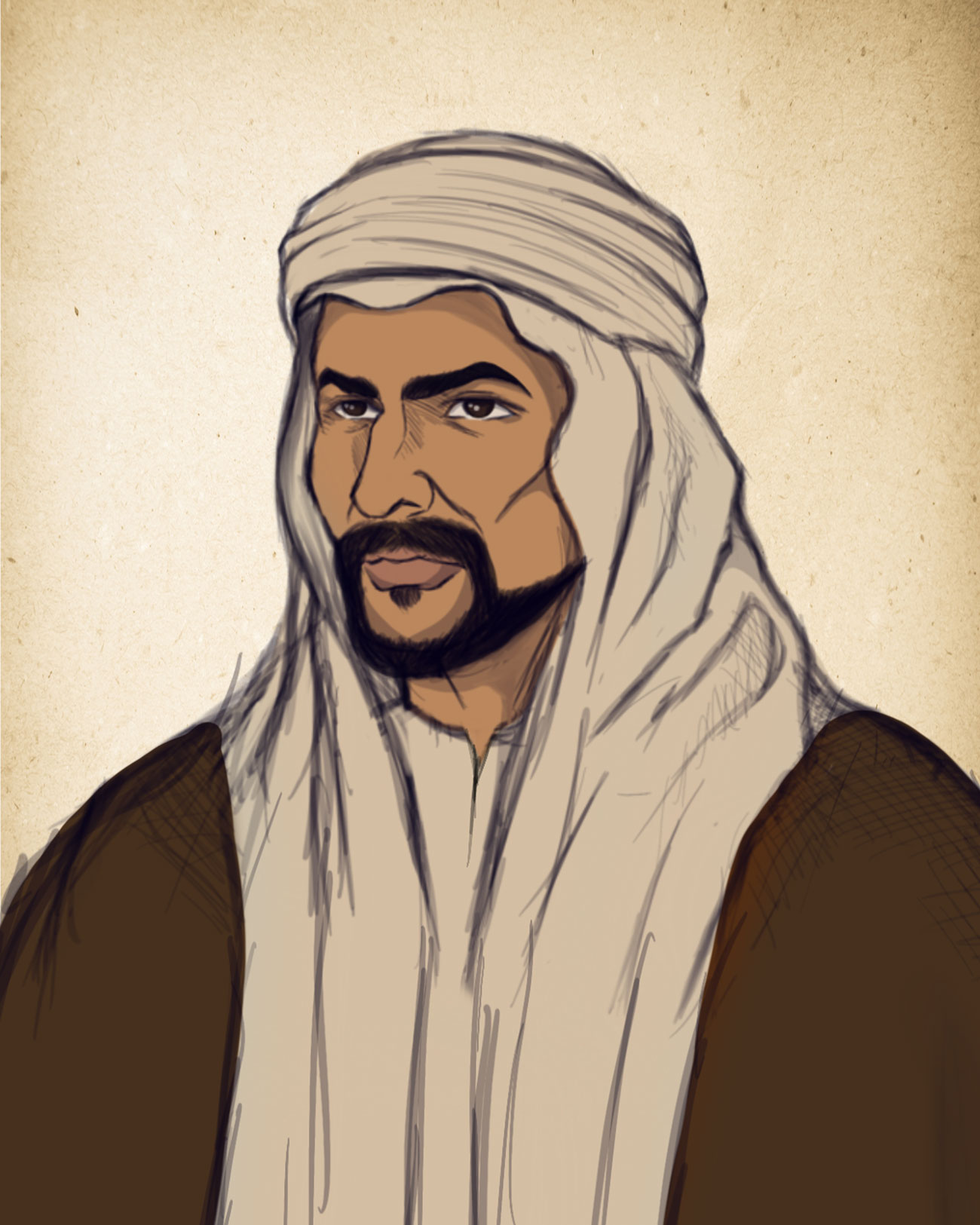
Turki bin Abdullah Al Saud
 Saudi Arabia
Birthday
1769
Birth Sign
Capricorn
Birthplace
Diriyah, Najd, Arabian Peninsula
Age
Died at 65
About
Turki bin Abdullah Al Saud (Arabic: ترکي بن عبدالله بن محمد) was the founder of the Emirate of Najd, the Second Saudi State, and ruled from 1823 until his assassination in 1834. He is remembered as the restorer of Saudi rule after the Ottoman Empire destroyed the First Saudi State, and his lineage leads directly to the modern Kingdom of Saudi Arabia. Turki was not only a political leader but also an imam and a poet, embodying the religious and cultural traditions of the Saudi house.
His reign from Riyadh, which he chose as his capital after the ruins of Diriyah, marked a period of consolidation and stability in central Arabia. Turki's legacy is honored in Saudi historiography as a determined and patient leader who rebuilt the state against the odds. His son Faisal bin Turki succeeded him and carried forward the Second Saudi State, which lasted until 1891 and eventually paved the way for the establishment of modern Saudi Arabia in 1932.
Early Life & Background
Turki bin Abdullah bin Mohammed bin Saud was born in Diriyah, the capital of the First Saudi State, into the house of Saud. He was the grandson of Mohammed bin Saud, the founder of the first Saudi state, and grew up during a period when the Saudi-Wahhabi alliance was expanding its influence across the Arabian Peninsula. His upbringing was steeped in the religious and political traditions of the Saudi house, and he received training in governance and military leadership, as well as a strong education in the Hanbali school of Islamic jurisprudence.
The pivotal moment of his early life came in 1818, when the Ottoman Empire, led by Ibrahim Pasha, launched a devastating campaign that destroyed Diriyah and dismantled the First Saudi State. Turki survived the destruction and went into exile, spending several years in hiding and evading Ottoman forces. During this dangerous period, he worked to maintain the network of alliances and tribal relationships that would later prove essential to rebuilding Saudi power. His survival and patient organization during exile were critical to his eventual success, as he prepared the ground for the restoration of Saudi rule.
Career Growth
Turki bin Abdullah's rise began in 1823 when he succeeded in re-establishing Saudi rule, founding the Emirate of Najd, also known as the Second Saudi State. He initially based his operations in Riyadh, which he established as his capital, abandoning the ruined Diriyah. Over the next eleven years, he worked to consolidate power across central Arabia, re-establishing the Saudi-Wahhabi religious and political order and repelling Ottoman influence. His reign focused on stabilizing the region after the chaos of the Ottoman campaign and restoring the administrative and religious institutions of the Saudi state.
Turki's rule was cut short on 9 May 1834, when he was assassinated in Riyadh. He was succeeded by his son, Faisal bin Turki, who continued the Second Saudi State. Turki's legacy as the restorer of Saudi rule was cemented through his son's continued reign, and his descendants went on to found the modern Kingdom of Saudi Arabia in 1932 under King Abdulaziz. His choice of Riyadh as the capital proved enduring, as the city remains the capital of Saudi Arabia to this day.
Career Timeline
Public Image & Style
In Saudi historical memory, Turki bin Abdullah is portrayed as a restorer and founder, a figure who rebuilt the Saudi state from the ashes of Ottoman destruction. He is remembered as a determined, patient leader who preserved the Saudi-Wahhabi tradition through a period of extreme danger. His dual role as imam and ruler reflects the integrated religious-political nature of Saudi governance that continues to the present day. While there is no modern fandom in the contemporary entertainment sense, he is honored within Saudi national and religious historical narratives as a key figure in the restoration of Saudi rule.
Fame & Fandom
Turki bin Abdullah Al Saud holds no placement in the iFANN Global Top 1,000 or any scope-specific ranking lists as of August 2026. The evaluation by the iFANN Global Fame Engine confirms that while his historical significance is profound, he does not currently occupy a quantified position within the published fame rankings for contemporary global figures. This absence of a numeric rank reflects the distinction between historical state-building and the metrics used to measure modern celebrity influence across media consumption and search signals worldwide. Regarding his public following, there is no documented fandom name associated with him. As a historical monarch from the 19th century, he lacks the organized fanbase structures, official naming conventions, or digital rituals characteristic of modern entertainment icons. Public engagement with his legacy remains confined to academic study, national historiography, and cultural memory rather than the active, campaign-driven participation seen in pop culture. No fan organizations, streaming initiatives, or birthday campaigns exist to support his image, nor are there viral anecdotes or fan-retold folklore that function as legendary moments in the entertainment sense. His relationship with the public is defined strictly by governance, leaving no room for the informal interactions or adoration rituals typical of celebrity culture.
Interesting Facts and Legends
Turki bin Abdullah was not only a ruler but also a poet, reflecting the cultural sophistication of the Saudi court. His poetry, though not widely translated, is noted in historical accounts. He was the grandson of Mohammed bin Saud, meaning he was restoring his grandfather's legacy when he founded the Second Saudi State. The Second Saudi State he founded lasted until 1891, when it was overthrown by the House of Rashid, but his lineage ultimately led to the founding of modern Saudi Arabia. His assassination in 1834 occurred after roughly eleven years of rule, and his son Faisal continued his work, ensuring the survival of the Saudi state. Historical narratives describe his return to Riyadh as a pivotal moment where he re-established order from the ruins left by Ottoman forces, a story often cited in regional chronicles as the foundation of the modern kingdom. While there are no viral incidents or stage appearances to speak of, his life is frequently recounted in educational texts as the definitive example of resilience and restoration in Arabian history.
Family & Personal Life
Turki bin Abdullah was the son of Abdullah bin Mohammed bin Saud and the grandson of Mohammed bin Saud, the founder of the First Saudi State. His most notable son was Faisal bin Turki bin Abdullah Al Saud, who succeeded him as ruler of the Emirate of Najd. The modern Saudi royal family traces its lineage through this line. Details about his wives are not recorded in the available historical sources, reflecting the limited documentation of the period and the polygamous practices of the royal family. Turki's family life was intertwined with his political role, as his descendants carried forward the Saudi state and its legacy.
Notable Connections
Turki bin Abdullah Al Saud is closely associated with his grandfather Mohammed bin Saud, the founder of the First Saudi State, whose legacy he restored. His son Faisal bin Turki succeeded him and continued the Second Saudi State. He is also historically linked to Ibrahim Pasha, the Ottoman commander whose campaign against the First Saudi State created the circumstances of Turki's rise. These figures are central to understanding Turki's place in Saudi history.
Relationships & Dating History
Historical records from the 18th and 19th century Arabian Peninsula do not contain detailed documentation of Turki bin Abdullah's marriages or romantic relationships. The polygamous practices of the Saudi royal family, combined with the limited historical record from this period, mean that comprehensive relationship data is not available. What is known is that Turki was the father of Faisal bin Turki, his successor, indicating at least one confirmed marriage. The names, dates, and details of his wives are not recorded in the available historical sources. As of 2026, Turki bin Abdullah Al Saud is deceased, having died in 1834, so no current relationship status applies.
- DatedUnknownOne confirmed marriage, mother of Faisal bin Turki, but name not recorded.
Death & Aftermath
Died
May 9, 1834 (aged 65)
Death Place
Unknown
Cause of Death
reported assassination
The restoration of the Second Saudi State endured through the reign of his successor, Faisal bin Turki, who consolidated the rule that his father had established. This continuity cemented the lineage that would eventually form the modern Kingdom of Saudi Arabia. The historical record confirms that Imam Turki bin Abdullah Al Saud died in May 1834 while ruling from Riyadh, though the specific circumstances surrounding his final days remain unrecorded in available chronicles. Accounts from the period describe him as assassinated, an event that abruptly ended his tenure which began in 1823 after he reclaimed the region following the destruction of the First Saudi State by the Ottoman Empire.
The immediate aftermath was defined solely by the succession of his son, ensuring the political stability of the Emirate of Najd. Posthumous honors and tributes are reflected in the enduring legacy of the Saudi royal family, which traces its direct lineage through his son Faisal. Historical memory within Saudi historiography regards him as a determined restorer of Saudi rule, a figure whose death did not diminish the political structure he built. His choice of Riyadh as the capital proved enduring, remaining the seat of government to the present day.
Net Worth (Estate Value)
$0
iFANN Editorial Team estimate
Per iFANN's editorial analysis, the net worth of Turki bin Abdullah Al Saud is estimated at $0. This figure acknowledges that he lived during the 18th and 19th centuries as the ruler of a desert emirate, not as a modern wealthy individual with financial assets measured in currency. His wealth was tied to the resources of the state he governed, including control over trade routes and agricultural lands in central Arabia. As a deceased historical figure, his estate was not a commercial entity, and no posthumous earnings or estate management exist. His true legacy is political and historical, not financial.
Awards & Accolades
View 1 records, honours and achievementsKnown For
Founder of the Emirate of Najd
1823 · Ruler
Keywords
Sources
Quick Facts
- Profession
- politician, poet, imam
- Born
- 1769
- Birthplace
- Diriyah
- Died
- May 9, 1834
- Death Place
- Riyadh
- Gender
- Male
Personal Details
- Full Name
- Turki bin Abdullah bin Mohammed bin Saud Al Saud
- Children
- Faisal bin Turki bin Abdullah Al Saud
Frequently Asked Questions
Who was Turki bin Abdullah Al Saud?
How did Turki bin Abdullah Al Saud die?
What was the Second Saudi State?
Is Turki bin Abdullah Al Saud related to the current Saudi royal family?
Why did Turki bin Abdullah choose Riyadh as his capital?
Similar People
Join the community
fans discussing