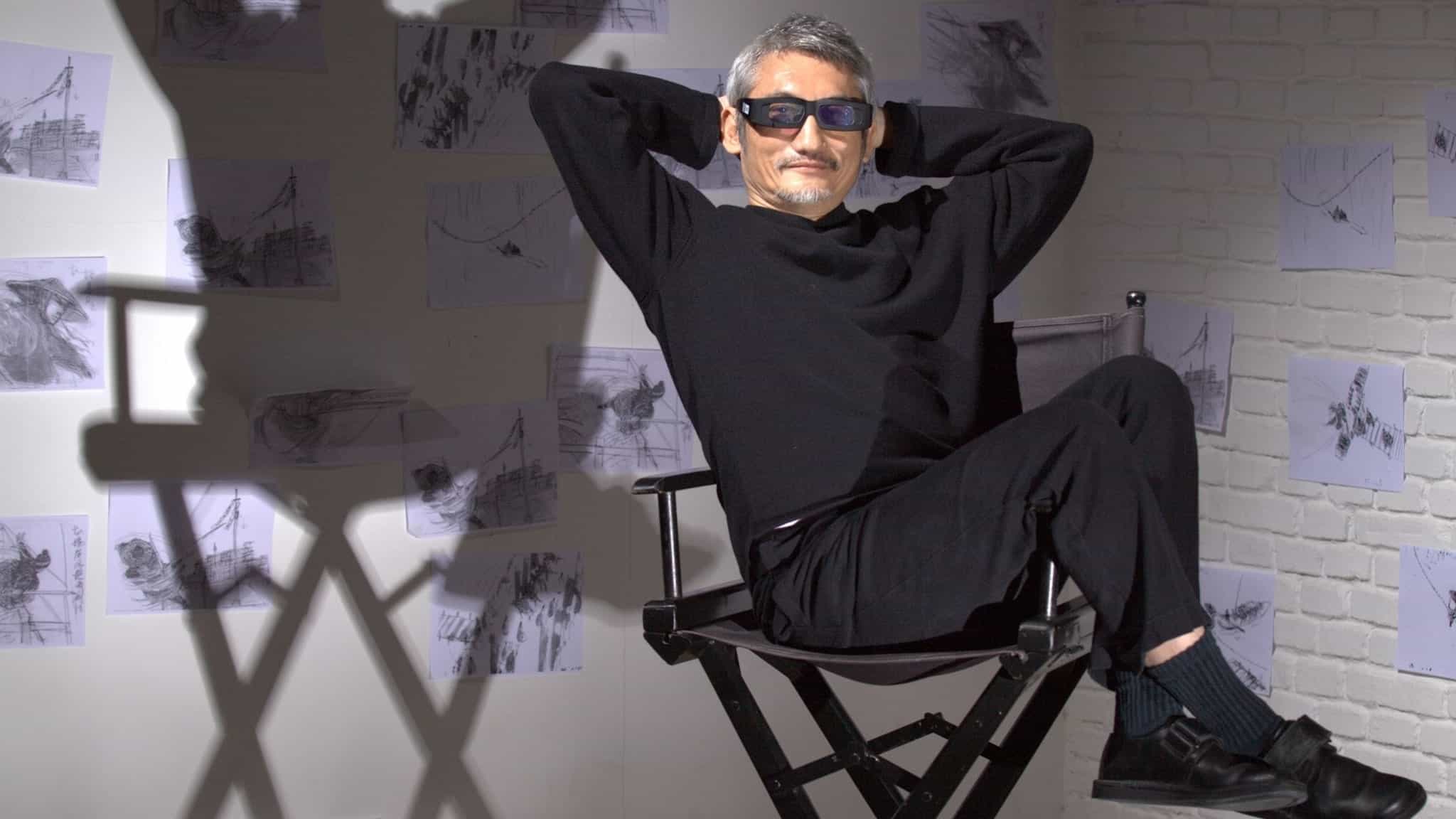
Tsui Hark
 Vietnam
film director•film producer•screenwriter
Also known as: Ke Xu, Hak Chui, Hark Tsui
Birthday
February 1, 1951
Birth Sign
Aquarius
Birthplace
Saigon, Vietnam (now Ho Chi Minh City)
Age
75 years old
Height
5 ft 9 in (175 cm)
About
Tsui Hark is a pioneering Hong Kong filmmaker, producer, and screenwriter widely regarded as the leading figure of the Hong Kong New Wave movement. Born on February 1, 1951, in Saigon (now Ho Chi Minh City), Vietnam, he moved to Hong Kong at age 15 and quickly established himself with a distinctive visual style that blended martial arts action with fantasy, horror, and historical drama. His early directorial successes like Zu Warriors from the Magic Mountain showcased his innovative approach to visual effects, setting him apart from contemporaries.
Today, Tsui remains an active force in cinema, celebrated for revitalizing the wuxia genre through films like Once Upon a Time in China. He continues to produce and direct while overseeing major restorations of his classic works. As of 2026, he navigates life following the death of his wife and long-time collaborator Nansun Shi, maintaining a legacy defined by relentless experimentation and technical mastery. Standing approximately 5 feet 9 inches tall, he projects an image of a cinematic innovator who consistently pushes boundaries while paying homage to tradition.
Early Life & Background
Tsui Man-kong was born in Saigon, Vietnam, in 1951 to Chinese parents. His fascination with cinema began early; by age 13, he was experimenting with an 8mm camera, creating short films that hinted at his future vision. In 1966, his family relocated to Hong Kong, where he attended St. Stephen's College. The move placed him in the heart of a rapidly changing cultural landscape, but his true education came from studying film production at the University of Southern California in Los Angeles.
Graduating in 1974, Tsui returned to Hong Kong to work as a television writer and director. These years were formative, allowing him to refine his craft before transitioning to feature films. He co-founded Film Workshop, a production company that would become instrumental in reshaping Hong Kong cinema. His breakthrough arrived with Zu Warriors from the Magic Mountain in 1983, a visually groundbreaking fantasy wuxia film that redefined the genre's visual language and commercial potential.
Career Growth
The success of Zu Warriors from the Magic Mountain launched a prolific career spanning decades. Tsui produced John Woo's A Better Tomorrow in 1986 and directed Peking Opera Blues the same year. His 1991 film Once Upon a Time in China revitalized the folk hero Wong Fei-hung and cemented his status as a master of the genre. He followed this with Green Snake in 1993 and the deconstructive The Blade in 1995, which used a dark, kinetic style to challenge traditional wuxia tropes.
In the late 1990s, Tsui briefly ventured into Hollywood to direct Double Team with Jean-Claude Van Damme before returning to Asia. Recent years have focused on preserving his legacy through high-profile restorations. In March 2026, The Blade received a 4K UHD restoration by The Criterion Collection. Later that year, Peking Opera Blues was screened in a restored 4K Dolby Atmos version at the Shanghai Film Festival, underscoring his enduring relevance and technical mastery. He also received the Hong Kong Film Directors' Guild Lifetime Achievement Award and the Asian Film Festival's Special Recognition Award.
Career Timeline
Public Image & Style
Tsui Hark is known for his signature aesthetic: bold visuals, intricate choreography, and genre-blending narratives. He projects the image of a cinematic innovator who consistently pushes boundaries while paying homage to tradition. His public persona is that of a visionary who treats every frame as a canvas for chaos and beauty. Media coverage often highlights his ability to blend spectacle with emotional depth, earning him respect as a master of the wuxia genre. He has appeared on the covers of specialized film publications such as Sight & Sound and Cahiers du Cinéma, celebrating his contributions to global cinema.
Fame & Fandom (iFAMOUS Rankings)
According to the iFANN Global Fame Rankings, Tsui Hark does not currently hold a placement in the published rankings. He is evaluated by the engine but remains outside the Top 1,000 as of October 2026. While his name is synonymous with the Hong Kong New Wave, his reach extends far beyond regional borders, cementing his status as a cinematic titan whose work resonates across diverse cultures. He is also not featured on the September 2026 iFAMOUS Rankings flagship list.
Tsui's audience consists primarily of cinephiles, collectors, and devoted fans of the wuxia genre who appreciate his kaleidoscopic storytelling. Unlike pop idols who rely on organized fan clubs or specific rituals, his supporters engage directly with his films, celebrating technical mastery and narrative boldness. There is no formal name for this collective; they are simply admirers of a director who treated every frame as a canvas for chaos and beauty. Notable fan campaigns include efforts to restore and distribute his lesser-known films globally. Such tributes underscore why his work endures: it speaks to a universal hunger for stories that defy convention.
Interesting Facts and Legends
Tsui Hark began making experimental films using an 8mm camera at just 13 years old while still living in Vietnam. His collaboration with Jet Li on the Once Upon a Time in China series is widely considered one of the most iconic partnerships in martial arts cinema history. Fans often recount the story of how he shot The Blade in such a chaotic, kinetic style that it required extensive post-production editing to make sense of the narrative flow.
His notable quotes include, "I want to make films that people can see but also feel," and "Cinema is not just about telling stories; it's about creating worlds." Another defining moment occurred in July 2026 with the passing of Nansun Shi, his former wife and long-time collaborator. Her death marked the end of a significant partnership that produced many of his major works, leaving a void in his personal and professional life. Additionally, his film Don't Play With Fire had a theatrical run at Metrograph in New York in 2026.
Notable Quotes
“I want to make films that people can see but also feel.”
“Cinema is not just about telling stories; it's about creating worlds.”
Family & Personal Life
Tsui Hark was married to actress and producer Nansun Shi from 1996 until their divorce in 2014 after 18 years together. They met during the early days of their careers and collaborated extensively, producing many of Tsui's most acclaimed films through their company, Film Workshop. There are no publicly confirmed children from this union. Following Nansun Shi's reported death in July 2026, Tsui is widowed. No new romantic relationships have been officially confirmed since her death.
Notable Connections
Relationships & Dating History
Tsui Hark was married to actress and producer Nansun Shi from 1996 until their divorce in 2014. Their partnership was both personal and professional, shaping the output of Hong Kong cinema during the 1990s and 2000s. They met during the early days of their careers and collaborated extensively, producing many of Tsui's most acclaimed films through their company, Film Workshop. There are no publicly confirmed children from this union.
Following Nansun Shi's passing in July 2026, Tsui is widowed. No new romantic relationships have been officially confirmed since her death. As of 2026, he remains focused on his work and the preservation of his legacy.
- MarriedNansun Shi1996 - 2026Long-time collaborator and producer; she passed away in July 2026.
Salary, Net Worth In 2026
$80 Million
iFANN Editorial Team estimate
iFANN currently estimates Tsui Hark's net worth at approximately $80 million. This figure reflects his decades-long career in film production, directing, and ownership of Film Workshop. Sources vary, with Celebrity Net Worth estimating $60 million, Forbes Asia suggesting $55 million, and local Hong Kong business reports placing it closer to $70 million due to real estate holdings and IP rights. His wealth stems primarily from film production royalties, distribution deals, and investments in media ventures.
The financial trajectory of his career shows consistent growth through strategic productions and successful box office runs. His ownership of key intellectual property rights continues to generate revenue through licensing and international distribution. As of 2026, his assets remain substantial, anchored by his role as a pioneer in the industry and the enduring value of his film catalog.
Awards Won (7)
Tsui Hark has won multiple Hong Kong Film Awards and Golden Horse Awards throughout his career. Notable wins include the Best Director award for Zu Warriors from the Magic Mountain in 1983. He has also received numerous lifetime achievement awards, including the Hong Kong Film Directors' Guild Lifetime Achievement Award and the Asian Film Festival's Special Recognition Award.
1981 · Best Director
All the Wrong Clues for the Right Solution
1987 · Best Film
A Better Tomorrow
Known For
Zu Warriors from the Magic Mountain
1983 · Director
Once Upon a Time in China
1991 · Director
The Blade
1995 · Director
Green Snake
1993 · Director
Keywords
Sources
Quick Facts
- Profession
- film director, film producer, screenwriter
- Born
- February 1, 1951
- Birthplace
- Ho Chi Minh City
- Gender
- Male
- Spouse
- Nansun Shi
- Birth Sign
- Aquarius
Personal Details
- Full Name
- Tsui Man-kong
- Height
- 5 ft 9 in (175 cm)
- Spouse
- Nansun Shi
- Children
- Education
- St. Stephen's College; University of Southern California
Filmography
45
Total
35
Film
10
TV
Frequently Asked Questions
Where was Tsui Hark born?
Who is Tsui Hark married to?
What is Tsui Hark's most famous film?
Has Tsui Hark won any Oscars?
Is Tsui Hark still active?
Similar People

Join the community
fans discussing