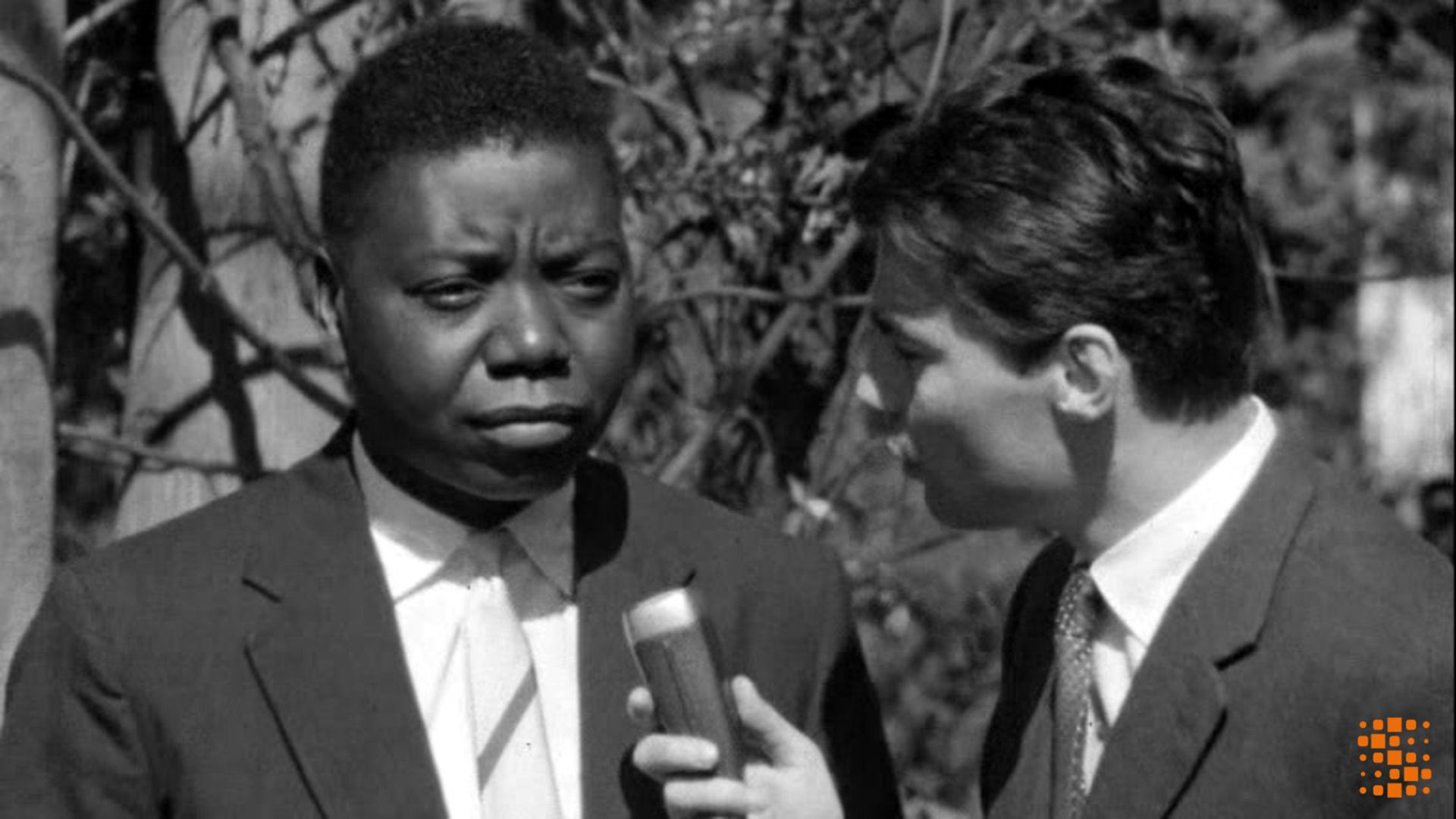
Tshombé Moïse
 DR Congo
Also known as: Moïse Kapenda Tshombe, Moise Tshombe
Birthday
November 10, 1919
Birth Sign
Scorpio
Birthplace
Musumba, Belgian Congo (now DR Congo)
Age
Died at 49
About
Moïse Kapenda Tshombe was a Congolese businessman and politician who became one of the most controversial figures in African history. Born into a wealthy family in Musumba, he transitioned from a successful mining executive to a political leader who championed regional autonomy for Katanga. His career was defined by the turbulent "Congo Crisis" following independence from Belgium in 1960, where he led a breakaway movement that drew international condemnation but also significant support from Western powers. Tshombe served as the president of the secessionist State of Katanga from 1960 to 1963 and later as the Prime Minister of the Democratic Republic of the Congo from 1964 to 1965. He was known for his business acumen and ability to navigate complex colonial and post-colonial political landscapes. His legacy remains deeply divided, with some viewing him as a pragmatist defending Katangan interests and others condemning him as a puppet of foreign powers responsible for the country's fragmentation.
Early Life & Background
Moïse Tshombe was born on November 10, 1919, in Musumba, located in the Kasai Province of the Belgian Congo. He came from a prosperous background; his father was a wealthy rubber planter and merchant who provided Tshombe with a privileged upbringing compared to the average Congolese citizen. As a child, he attended Catholic missionary schools, which gave him a European-style education and allowed him to navigate both indigenous and colonial societies effectively. In his early adulthood, Tshombe moved to Elisabethville (now Lubumbashi) in the Katanga province. Unlike many contemporaries who pursued traditional political activism immediately, he focused on building a career in the mining industry. During the 1940s and 1950s, he worked as an administrator and manager within the Union Minière du Haut-Katanga (UMHK), the largest mining company in the region. He rose through the ranks to become a key liaison between the company and the local population, gaining valuable experience in business operations and financial management. This business success provided him with the financial independence and local influence necessary to launch his political career. By the late 1950s, as the demand for independence grew across Africa, Tshombe recognized the political potential of the Katangan elite. He began to organize politically, not as a nationalist seeking immediate unity with the rest of the Congo, but as a regionalist advocating for the specific interests of Katanga. In 1958, he co-founded the Confédération des associations tribales du Katanga (CONAKAT), a party dedicated to protecting the mineral wealth of Katanga and ensuring its autonomy. At this time, Tshombe was a formidable force within the Katangan business and political circles, setting the stage for his dramatic entry onto the national stage. He was fluent in French and several local languages, allowing him to negotiate effectively with both Belgian officials and Congolese leaders before his major political breakthrough.
Career Growth
Following the Democratic Republic of the Congo's independence on June 30, 1960, tensions quickly escalated between the central government led by Prime Minister Patrice Lumumba and the Katangan leadership. On July 11, 1960, just days after independence, Tshombe declared the secession of Katanga, forming the "State of Katanga" and appointing himself as its President. This move secured foreign recognition and military support from Belgium and private mercenaries, marking the beginning of a prolonged conflict known as the Congo Crisis. During his leadership of the State of Katanga from 1960 to 1963, Tshombe faced intense pressure from United Nations peacekeepers and the central government. The secession ended in January 1963 when the UN Operation in the Congo (ONUC) successfully pressured the Katangan forces to surrender. Tshombe fled into exile, first to Spain and then to Morocco. In 1964, he returned to the Congo during the Simba Rebellion. On July 10, 1964, President Joseph Kasa-Vubu appointed him Prime Minister. As Prime Minister, Tshombe successfully suppressed the Simba rebellion with the help of Western mercenaries and air power. He formed the CONACO alliance to unify political factions and stabilize the country. However, his tenure was short-lived. On November 24, 1965, he was overthrown in a coup d'état by Colonel Joseph-Désiré Mobutu. Charged with treason, Tshombe was forced into exile again, this time settling in Algeria where he lived until his death in 1969. His role in the transfer of Patrice Lumumba to Katanga, where he was executed, remains a pivotal and debated event in his career timeline.
Career Timeline
Public Image & Style
Tshombe is portrayed in media as an enigmatic and controversial figure. He is often depicted as a pragmatist who prioritized regional interests over national unity, leading to accusations of being a traitor or a puppet of colonial powers. Conversely, supporters view him as a defender of Katangan sovereignty and a victim of Cold War machinations. His image is one of a sophisticated businessman turned reluctant warlord, often wearing Western-style suits and projecting a dignified demeanor. Contemporary accounts describe him as having a somewhat enigmatic presence, utilizing his fluency in multiple languages to navigate high-stakes negotiations. His reputation oscillates between that of a visionary regionalist and a divisive separatist, depending on the political lens through which history views the Congo Crisis.
Fame & Fandom (iFAMOUS Rankings)
iFANN has evaluated Moïse Tshombe's global profile and ranked him as the 12th most famous person from the Democratic Republic of the Congo. He does not currently hold a placement in the published rankings as of October 2026 as a living celebrity, nor is he featured on the September 2026 iFAMOUS Rankings flagship list. His historical footprint remains significant in academic circles, particularly regarding African decolonization and Cold War geopolitics, but he lacks a modern fanbase structure. There is no formal name for any fanbase surrounding him. Unlike modern celebrities who cultivate dedicated communities with specific rituals or digital campaigns, the audience for Tshombe consists of historians, political analysts, and students of the Congo Crisis rather than organized fans. The stories told about him are serious historical accounts rather than pop-culture folklore, serving as cautionary tales or pivotal points in debates about colonialism and neo-colonialism. While some conspiracy theories linger regarding the circumstances of his death, these remain matters of historical scrutiny rather than fan-created myths. Interest is driven by academic curiosity and ongoing research into the complexities of the era.
Interesting Facts and Legends
Before entering politics, Tshombe was a highly successful businessman who managed to amass a fortune in the mining sector, which funded his political campaigns. He was fluent in French and several local languages, allowing him to negotiate effectively with both Belgian officials and Congolese leaders. After his first exile in 1963, he lived in Spain and Morocco before returning to lead the country in 1964. The mystery of his death remains a subject of debate. While official reports state he died of a heart attack in Algiers on June 29, 1969, some historical circles speculate about foul play given his volatile enemies. Another notable fact is his role in the transfer of Patrice Lumumba to Katanga, where he was executed, a decision that continues to be debated by historians. He was featured prominently in international press during his peak years, including a "Man in the News" profile in The New York Times on June 27, 1964. Recent documentaries like "Cold Case Hammarskjöld" (2019) have reignited interest in his role in the events surrounding the crash of Dag Hammarskjöld's plane near Ndola in 1961. Additionally, the book *The Lumumba Plot* (2023) continues to analyze his involvement in the assassination of Patrice Lumumba, keeping his legacy under active academic review.
Notable Quotes
“I am a Katangan first, a Congolese second.”
“The Congo is not a single entity; it is a collection of tribes and regions.”
Family & Personal Life
Moïse Tshombe was born into a wealthy family; his father was a prosperous rubber planter and merchant. He received a European-style education that distinguished his upbringing from the average Congolese citizen. As a child, he attended Catholic missionary schools which shaped his early worldview. His household was characterized by the privileges afforded to the colonial elite, providing him with resources unavailable to the general population. There are no verified records of siblings or extended family members playing a significant public role in his life. The family structure supported his rise through the mining industry, serving as the foundation for his future political endeavors. Historical archives contain no details regarding other relatives or domestic arrangements beyond his immediate parental lineage.
Notable Connections
Relationships & Dating History
Historical records do not document a formal marriage or children in the way modern celebrity bios do. Moïse Tshombe kept his personal life strictly private, consistent with the era and his position as a head of state during a crisis. He was known to be a bachelor for much of his political career, focusing intensely on the political struggles of Katanga. There are no verified records of romantic relationships, engagements, or marriages in public archives. Unlike many politicians of his era who had wives or mistresses mentioned in tabloids or biographies, Tshombe maintained a strict privacy regarding his domestic affairs. He died alone in exile in Algiers in 1969 without a widow or surviving children. No credible sources list a spouse, fiancée, or long-term partner, distinguishing his personal life from the more documented social lives of his contemporaries. His focus remained entirely on the geopolitical battles of the Congo Crisis, leaving no room for public romantic entanglements.
Death & Aftermath
Died
June 29, 1969 (aged 49)
Death Place
El Biar, Algiers, Algeria
Cause of Death
Reported heart attack
Moïse Tshombe spent his final years in exile across North Africa after being overthrown by Colonel Joseph-Désiré Mobutu in November 1965. Following his second removal from power, he fled the Democratic Republic of the Congo and eventually settled in El Biar, a suburb of Algiers, Algeria. He lived there under the protection of Algerian authorities while avoiding direct political engagement, though he remained a symbol of resistance to Mobutu's regime. On June 29, 1969, at the age of 49, Tshombe died in his sleep. The official cause of death was recorded as a heart attack, based on initial medical statements from local doctors. No detailed forensic investigation or autopsy findings were made public at the time. Despite this official ruling, the circumstances surrounding his demise have long fueled speculation among historians and conspiracy theorists. Given his history of intense political rivalries and alleged involvement in the assassination of Patrice Lumumba, some accounts suggest foul play or poisoning orchestrated by enemies within the Mobutu circle. However, no concrete evidence has ever been produced to substantiate these claims, and the heart attack diagnosis remains the only officially documented explanation. Details regarding his funeral are scarce in historical records. It appears he was buried in Algeria without a state-sponsored ceremony, reflecting his status as an exiled leader rather than a head of state at the time of his death. There were no immediate public tributes from major international bodies, as he remained a polarizing figure viewed by many as a traitor to national unity and by others as a defender of regional sovereignty. Decades later, his legacy is revisited primarily through academic research and documentaries that examine the complexities of the Congo Crisis rather than through formal memorials or foundations established in his name. The mystery of his death continues to be a focal point in studies of the Congo Crisis, with recent films and books re-examining the political context of his final days.
Net Worth (Estate Value)
$5 Million
iFANN Editorial Team estimate
As a deceased historical figure, Moïse Tshombe does not have a net worth in the modern sense of current assets. However, estimates of his wealth during his lifetime can be inferred from his role as a senior executive in the Union Minière du Haut-Katanga (UMHK) and his ownership of significant land and business interests in Katanga. Research by the iFANN Editorial Team puts his estimated wealth at approximately $5 million in equivalent value during the 1960s, reflecting his status as one of the wealthiest individuals in the Congo due to his control over mining operations and real estate. His primary source of income derived from his position within the UMHK and his strategic investments in the region's copper and uranium sectors. Upon his death, his estate was likely liquidated or seized due to his status as a fugitive and the political instability of the region. There is no record of a posthumous estate managed by heirs, as he had no known children. His value today is cultural and historical rather than financial, with ongoing interest in his life driving academic publications and documentaries. No precise dollar figure exists for 1969, but he was considered one of the wealthiest individuals in the Congo at the height of his power.
Awards & Accolades
View 1 records, honours and achievementsKnown For
State of Katanga
1960-1963 · President
Prime Minister of the DRC
1964-1965 · Prime Minister
Keywords
Sources
Quick Facts
- Profession
- Politician, Businessman
- Born
- November 10, 1919
- Birthplace
- Musumba, Belgian Congo
- Died
- June 29, 1969
- Death Place
- Algiers, Algeria
- Gender
- Male
- Birth Sign
- Scorpio
Personal Details
- Full Name
- Moïse Kapenda Tshombe
- Children
- Education
- Catholic missionary schools
Frequently Asked Questions
Who was Moïse Tshombe?
How did Moïse Tshombe die?
Was Moïse Tshombe responsible for Patrice Lumumba's death?
Did Moïse Tshombe have children?
What is the legacy of Moïse Tshombe?
Similar People

Join the community
fans discussing