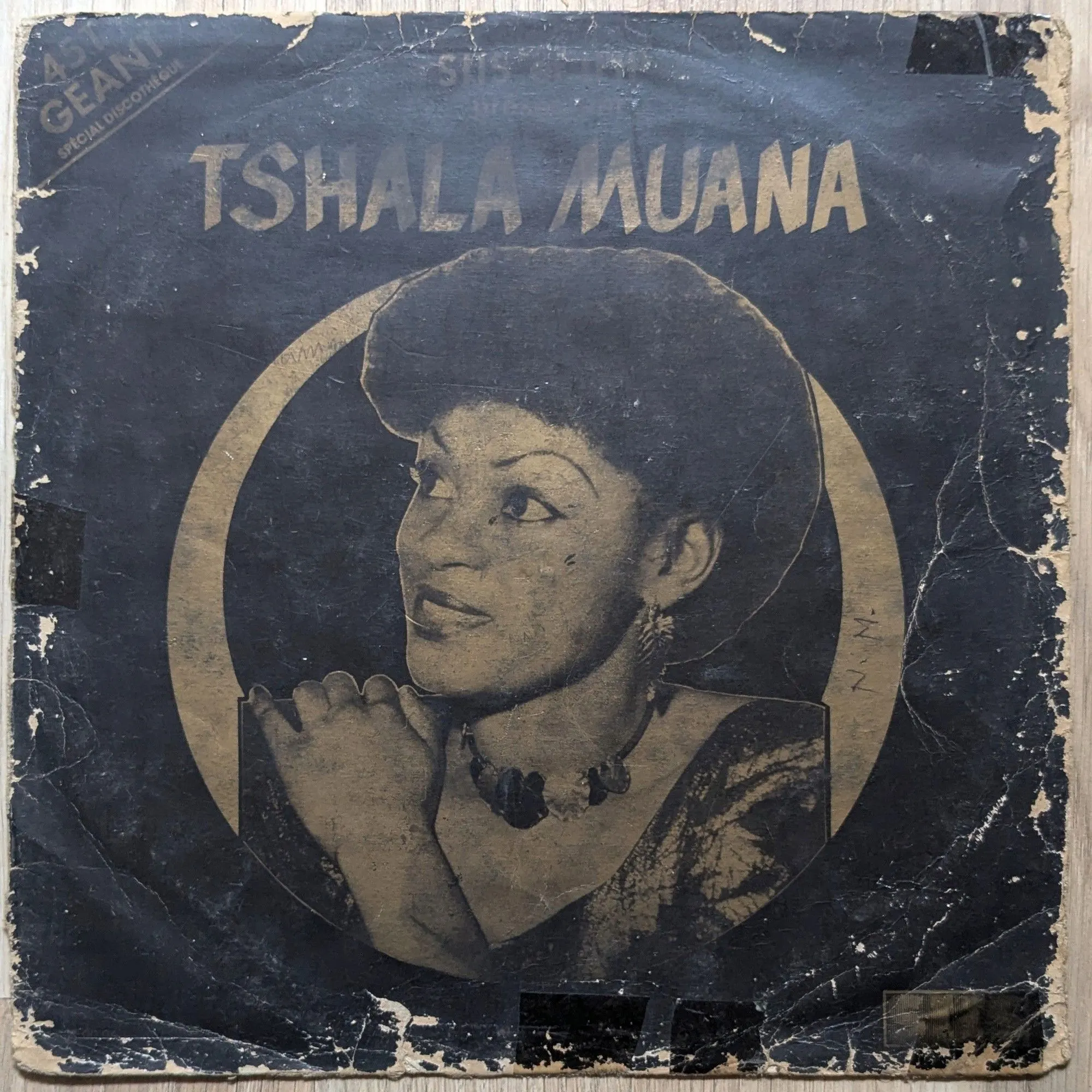
Tshala Muana
 DR Congo
Also known as: Mamu National, Queen of Mutuashi
Birthday
March 13, 1958
Birth Sign
Pisces
Birthplace
Lubumbashi, Democratic Republic of the Congo
Age
Died at 64
Height
5 ft 5 in (165 cm)
About
Tshala Muana was a Congolese singer, dancer, and songwriter who reshaped African popular music by modernizing the traditional Mutuashi rhythm of the Kasai region. Born Élisabeth Tshala Muana Muidikay, she earned the affectionate title “Mamu National” and was celebrated worldwide as the “Queen of Mutuashi.” Her music fused indigenous percussion with Afro-Cuban and contemporary sounds, creating a danceable yet socially conscious style that championed women’s dignity and spoke out against domestic violence.
Over a career spanning four decades, she released numerous albums and hits like “Depeche Mo” and “Nzola,” which became anthems across the Democratic Republic of the Congo and beyond. She performed at international festivals and served as a cultural ambassador for her country. Tshala Muana passed away on December 10, 2022, in Kinshasa at the age of 64, leaving behind a legacy as one of Africa’s most influential female artists.
Early Life & Background
Born into a musical family in Lubumbashi, then part of the Belgian Congo, Tshala Muana grew up surrounded by the rhythms of the Kasai region. Her full name, Élisabeth Tshala Muana Muidikay, reflected her heritage. As a child, she sang in church choirs and performed in local dance troupes, absorbing the traditional Mutuashi style that would later define her career.
In the late 1970s, she moved to the capital, Kinshasa, to pursue music professionally. There she worked as a backing vocalist and dancer, honing her stagecraft. Her big break came when she caught the attention of producer Souzy Kasseya, who helped her record her debut album, Koumba, in 1984. That album introduced her signature blend of traditional percussion and modern arrangements, setting the stage for her rise to national prominence.
Career Growth
Tshala Muana’s breakthrough came with the release of Koumba in 1984, which established her as a fresh voice in Congolese music. Over the next decade, she released a string of hits, including “Depeche Mo” and “Nzola,” which dominated radio airwaves and became staples at weddings and celebrations. Her music often addressed social issues, particularly women’s rights and domestic violence, setting her apart from many contemporaries.
In the 1990s, she toured extensively across Africa and Europe, performing at major festivals and collaborating with artists from various genres. Her influence helped popularize Mutuashi internationally, earning her recognition as a cultural ambassador. In 2005, she received a lifetime achievement award from Congolese cultural institutions. She continued recording and performing into the 2010s, releasing new material that blended traditional sounds with modern electronic elements. Her final years were marked by deep reverence from fans and peers, and her death in 2022 prompted an outpouring of tributes across the continent.
Career Timeline
Public Image & Style
Tshala Muana was known for her striking stage presence, often wearing vibrant, colorful outfits that reflected the traditional textiles of the Kasai region mixed with modern fashion. Her aesthetic was sensual yet dignified, perfectly complementing the rhythmic intensity of her music. The public and media affectionately called her “Mamu National” and “Queen of Mutuashi,” titles that underscored her role as a cultural icon. Fans connected with her not only for her music but for her advocacy for women’s rights and her pride in Congolese heritage. Her social media presence, managed by her team, continues to celebrate her legacy, with her songs still popular on streaming platforms.
Fame & Fandom (iFAMOUS Rankings)
Her influence extends across the African continent and into global consciousness, a reach tracked by comprehensive attention metrics that monitor media coverage, search activity, and consumption patterns worldwide. Tshala Muana is currently ranked as the 72nd most famous person in Afrobeats, a standing she has held steady since the previous cycle according to the iFANN Global Fame Rankings. This placement reflects her enduring status as a pivotal figure in the genre's evolution rather than a fleeting trend. Despite her passing in late 2022, her digital footprint remains robust, sustaining her position among the industry's most recognized voices. The scope of her fame transcends borders, with her music resonating from Kinshasa to Nairobi and beyond. Regarding her audience, while she commanded a massive following across East Africa and the Democratic Republic of Congo, no formalized name or organized structure for her fanbase has been documented in available records. Her supporters are best described as a continent-wide community united by a deep cultural reverence for her artistry and advocacy, rather than an organized group with specific rituals or monikers. Tributes following her death were widespread but organic, reflecting a collective mourning that highlighted her role as a national treasure without relying on structured campaigns.
Interesting Facts and Legends
Tshala Muana sang primarily in Lingala and Swahili, ensuring her work reached listeners throughout the DRC and neighboring nations. Her stage name was derived directly from her birth name, emphasizing a steadfast connection to her roots. She was known for her elaborate headwraps and beaded jewelry, which became part of her signature look. Her choreography was so influential that many young dancers in the DRC modeled their styles after her. She was also a vocal critic of gender-based violence, using her platform to raise awareness long before such topics were mainstream in African pop music. A defining moment in her later career occurred in November 2020 when she was detained in Kinshasa over song lyrics authorities deemed provocative; her subsequent release underscored her unique ability to challenge social norms while retaining immense public protection. Her death in December 2022 transformed her into an immediate legend, triggering a massive outpouring of grief from Kenya to Tanzania. Media outlets described her as a "legend who captivated young and old," cementing her legacy through high-profile mourning and her funeral in Kinshasa. Her songs, including "Kalume," "Tshovo," and "Kebeji," remain staples that serve as the primary vehicles through which her mythology is retold today.
Notable Quotes
“I sing for the woman who suffers in silence.”
“Mutuashi is not just a dance; it is our history, our struggle, and our joy.”
Family & Personal Life
Tshala Muana was in a long-term relationship with her producer and manager, Claude Mashala. They were together for decades, though the exact start of their partnership is not publicly documented. They did not have children together. She maintained a close-knit family structure, with siblings and extended relatives who supported her career. After her death, her estate has been managed by her family, including Mashala, who oversaw her final projects and legacy preservation efforts.
Notable Connections
Tshala Muana was closely associated with producer Souzy Kasseya, who helped launch her career, and with her long-time partner Claude Mashala. She also collaborated with artists like Hilaire Penda. Her music was part of the vibrant Congolese rumba and soukous scene, and she was respected by contemporaries across Africa.
Relationships & Dating History
Tshala Muana kept her personal life relatively private, focusing public attention on her artistry. Her most significant relationship was with Claude Mashala, her producer and manager, whom she was with for decades until her death. They did not marry, but Mashala was her companion and played a pivotal role in her career. No other high-profile relationships or marriages are documented. At the time of her death, she was in a long-term partnership with Mashala, who continues to manage her estate.
- DatedClaude Mashala? - 2022Long-term partner and producer; together until her death.
Death & Aftermath
Died
December 10, 2022 (aged 64)
Death Place
Kinshasa, Democratic Republic of the Congo
Cause of Death
Unknown
The digital archives of streaming platforms and the obituary columns of major international newspapers recorded a surge in attention to Tshala Muana's catalog following the announcement of her passing, with outlets like the BBC and The New York Times publishing tributes that highlighted her role as a cultural ambassador who championed the Tshiluba language. Her body was laid to rest on Friday, December 23, 2022, at the Necropolis Cemetery on the outskirts of Kinshasa after a service attended by mourners from across the continent, while her estate continued to manage the availability of albums such as Biduaya on services like TIDAL. The Congolese singer died on December 10, 2022, at the age of 64 in Kinshasa, Democratic Republic of the Congo, having been active in the music industry leading up to her final days with no publicly documented decline in health prior to the event. Claude Mashala, her producer and companion, confirmed the death but did not release an official medical cause.
Net Worth (Estate Value)
$5 Million
iFANN Editorial Team estimate
Per iFANN's editorial analysis, Tshala Muana's net worth in 2026 is estimated at $5 Million, a figure attributed to her decades-long career and the ongoing revenue generated by her estate. Her wealth came primarily from music sales, streaming royalties, live performances, and licensing of her songs for films and documentaries. Hits like "Depeche Mo" and "Nzola" continue to attract significant traffic on Spotify and YouTube Music, ensuring a steady income stream. Following her death in 2022, her estate, managed by her family and longtime partner Claude Mashala, has overseen posthumous releases and digital promotion. The estate also earns from merchandise and physical sales of her back catalog. While exact figures are not publicly disclosed, the enduring popularity of her music suggests the estate remains financially healthy.
Awards Won (1)
Tshala Muana received numerous honors throughout her career, primarily from Congolese and pan-African institutions. Her most significant recognition was the title “Queen of Mutuashi,” bestowed by the public and media. She also received lifetime achievement awards for her contribution to preserving traditional music while innovating with modern sounds. In 2005, she was honored by Congolese cultural institutions for her impact. Her legacy as a cultural ambassador was frequently cited by the government and cultural bodies.
2005 · Lifetime Achievement
Contribution to Congolese music
Known For
Depeche Mo
1985 · Singer
Nzola
1995 · Singer
Koumba
1984 · Album
Keywords
Sources
Quick Facts
- Profession
- singer, dancer, songwriter
- Born
- March 13, 1958
- Birthplace
- Lubumbashi, DRC
- Died
- December 10, 2022
- Death Place
- Kinshasa, DRC
- Gender
- Female
- Birth Sign
- Pisces
- Height
- 5 ft 5 in (165 cm)
Personal Details
- Full Name
- Élisabeth Tshala Muana Muidikay
- Height
- 5 ft 5 in (165 cm)
Frequently Asked Questions
Who was Tshala Muana?
When did Tshala Muana die?
What was Tshala Muana's biggest hit?
Was Tshala Muana married?
What genre of music did Tshala Muana perform?
Social Media
Join the community
fans discussing