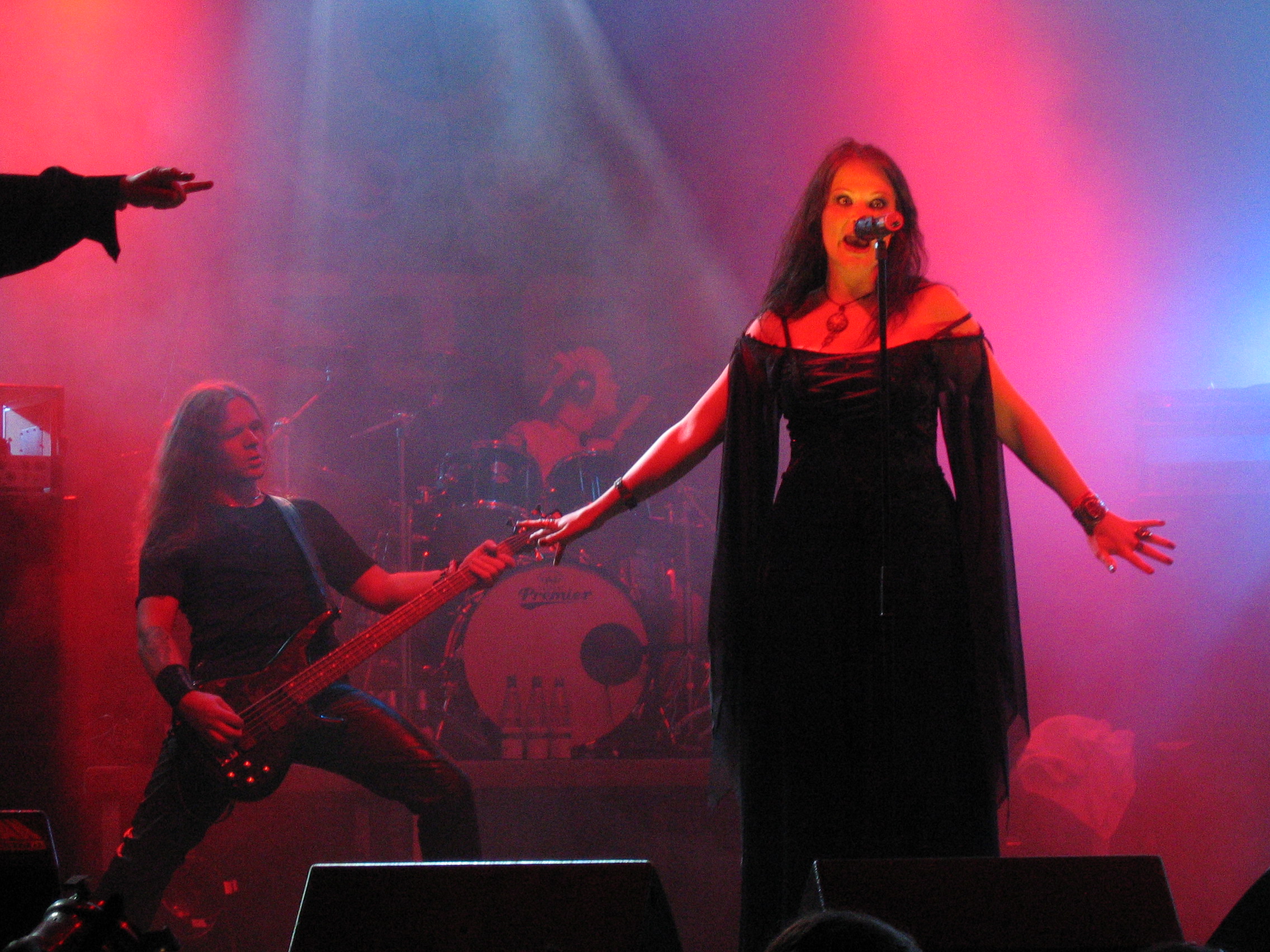
Tristania
 Norway
Pioneers of Norwegian gothic metal
Tristanians
Fandom
6
Members
About
Tristania was a Norwegian gothic metal band that rose to prominence in the late 1990s and early 2000s. They are celebrated for their pioneering fusion of operatic female vocals, death metal growls, and symphonic orchestrations, which helped define the gothic metal genre. Their music, characterized by dark, emotional themes and complex arrangements, earned them a devoted following and critical acclaim within the metal community.
After a 26-year career, the band officially disbanded in September 2022, citing a serious medical situation within a family member close to the band. Their final lineup featured vocalist Mariangela Demurtas, guitarist Bjørn Erik Næss, bassist Ole Jørund Solheim, and drummer Stian Kristoffersen, alongside keyboardist Einar Moen. Though no longer active, Tristania's influence endures through their extensive discography and the many bands they inspired.
Formation Story
Tristania came together in Stavanger, Norway, in 1996. The core trio of guitarist Morten Veland, keyboardist Einar Moen, and bassist Kenneth Ølsson had been involved in the local metal scene, and they wanted to create something that merged the aggression of death metal with the grandeur of classical music. Veland, who had previously worked on a project called Sirenia, brought a vision of combining harsh vocals with ethereal female singing, a concept that was still relatively unexplored at the time.
They recruited vocalist Vibeke Stene, whose operatic soprano provided the perfect counterpoint to Veland's growls. Drummer Frode Nymo completed the early lineup. The band quickly recorded a demo, Widow's Weeds, which caught the attention of Moonfog Productions. Their debut album, Beyond the Veil, followed in 1998, establishing them as a fresh force in the European metal underground.
The early years were marked by lineup instability. Kenneth Ølsson left in 2000, and Einar Moen departed in 2002, though he later returned for the band's final era. Male vocalist Kjetil Nordhus joined in 2001, adding a clean singing voice that contrasted with Veland's harsh delivery. The band's breakthrough came with the 2002 album Ashes, which showcased a more polished and symphonic sound. This lineup, featuring Stene and Nordhus, would go on to record what many consider their magnum opus, Silence, in 2005.
After Stene left in 2012, Italian vocalist Mariangela Demurtas took over, bringing a different yet powerful presence. The band continued to evolve, releasing Rubicon in 2010 and The Last Viking in 2013, before entering a period of inactivity. They returned in 2019 with the single 'Year of the Rat' and performed at 70000 Tons of Metal. However, in September 2022, the band announced their split, explaining that a serious medical situation within a family member made it impossible to continue touring. Their farewell was met with an outpouring of support from fans who had followed them for over two decades.
Members
Former Members
Solveig Slettahjell (Solveig Slettahjell)
Vocalist · 2001–2002
Jannicke Larsen (Jannicke Larsen)
Vocalist · 2002–2003
Elisabeth Løvdal (Elisabeth Løvdal)
Vocalist · 2003–2004
Anders H. Husebø (Anders H. Husebø)
Vocalist · 2014–2015
Stian Kristoffersen (Stian Kristoffersen)
Drummer · 2013–2022
Bjørn Erik Næss (Bjørn Erik Næss)
Guitarist · 2013–2022
Ole Jørund Solheim (Ole Jørund Solheim)
Bassist · 2014–2022
Frode Nymo (Frode Nymo)
Drummer · 1996–1998
Tore Moren (Tore Moren)
Bassist · 2000–2001
Musical Style
Tristania's sound evolved significantly over their career. In their early years, they blended gothic metal with death metal elements, using heavy guitar riffs, growling vocals, and classical piano. Their debut album Beyond the Veil showcased this raw, aggressive approach, with Morten Veland's harsh vocals dominating alongside Vibeke Stene's soaring soprano.
With Ashes (2002) and Silence (2005), the band refined their style into a more symphonic and melodic form. Lush string arrangements, choir-like vocals, and a clearer production highlighted the contrast between male and female voices. This era is often considered their most definitive, with Silence being praised for its emotional depth and musical complexity.
Later albums like Rubicon (2010) and The Last Viking (2013) saw a shift towards a more modern, rock-oriented sound, incorporating electronic elements and a more streamlined approach. While some longtime fans preferred the earlier symphonic style, the band's willingness to experiment kept their music fresh and relevant. Lyrically, Tristania consistently explored themes of melancholy, loss, and inner turmoil, drawing from personal experiences and literary inspirations.
Discography
| Title | Year |
|---|---|
| The Last Viking | 2013 |
| Rubicon | 2010 |
| Malice in Wonderland | 2007 |
| Silence | 2005 |
| Ashes | 2002 |
| Beyond the Veil | 1998 |
| Year of the Rat | 2019 |
| Silent Night | 2008 |
| Winter Thrice | 2001 |
Tours
Widow's Tour
2002
Silence Tour
2005
Malice in Wonderland Tour
2007
Rubicon Tour
2010
The Last Viking Tour
2013
Latin America Tour
2022
Cultural Impact
Tristania is widely recognized as one of the pioneering bands of gothic metal, particularly in the Norwegian scene. Alongside Theatre of Tragedy and Sirenia, they helped establish the template of contrasting beauty and beast vocals, which became a hallmark of the genre. Their use of operatic female vocals over heavy guitar riffs influenced a generation of bands, including Within Temptation, Epica, and Leaves' Eyes.
Their music also bridged the gap between extreme metal and more accessible symphonic metal, opening doors for other bands to experiment with orchestral elements. Tristania's dark, theatrical aesthetic and emotionally charged lyrics resonated with fans worldwide, contributing to the growth of the gothic subculture within metal. Their impact is evident in the numerous tribute bands and covers that continue to emerge, as well as their enduring presence on streaming platforms.
Fandom Culture
Tristania's fans, often calling themselves Tristanians, are known for their deep dedication and appreciation for the band's darker themes. While there was no official fan club or lightstick, the community thrives through online forums, social media groups, and fan-made content. Fans often wear black clothing as a nod to the band's gothic aesthetic, and they engage in passionate discussions about the lyrics and musical evolution.
The band's disbandment in 2022 was met with an outpouring of grief and gratitude, with fans sharing memories of concerts and the impact of the music on their lives. The community continues to keep the band's legacy alive through tribute projects and ongoing support for the members' solo endeavors.
Awards & Accolades
View 3 records, honours and achievementsMilestones
Formation in Stavanger
Release of debut album 'Beyond the Veil'
Release of 'Ashes', commercial breakthrough
Release of 'Silence', considered their magnum opus
Return with single 'Year of the Rat' after hiatus
Disbandment announced in September
Trivia
Tristania's name is derived from the character Tristan from the legend of Tristan and Isolde, symbolizing tragic love. Morten Veland, the primary songwriter, often drew from his own struggles with depression and loss, giving the lyrics a deeply personal edge. Mariangela Demurtas moved from Italy to Norway specifically to join the band, a testament to her commitment. The band's 2022 disbandment was sudden, with a Latin American tour canceled just weeks before the announcement. Despite their niche status, they sold over 100,000 records in Europe, a remarkable feat for a gothic metal act.
Keywords
Sources
Quick Facts
- Formed
- 1996
- Origin
- Stavanger, Norway
- Label
- Napalm Records
- Genres
- Gothic metal, Symphonic metal
- Status
- Disbanded (2022)
Group Info
- Fandom
- Tristanians
- Formed
- 1996
- Debut
- 1998-01-01
- Debut Song
- Widow's Weeds
- Origin
- Stavanger, Norway
- Label
- Napalm Records
- Fan Color
- Black and White
- Status
- Disbanded (2022-09-01)
Social Media
Join the community
fans discussing