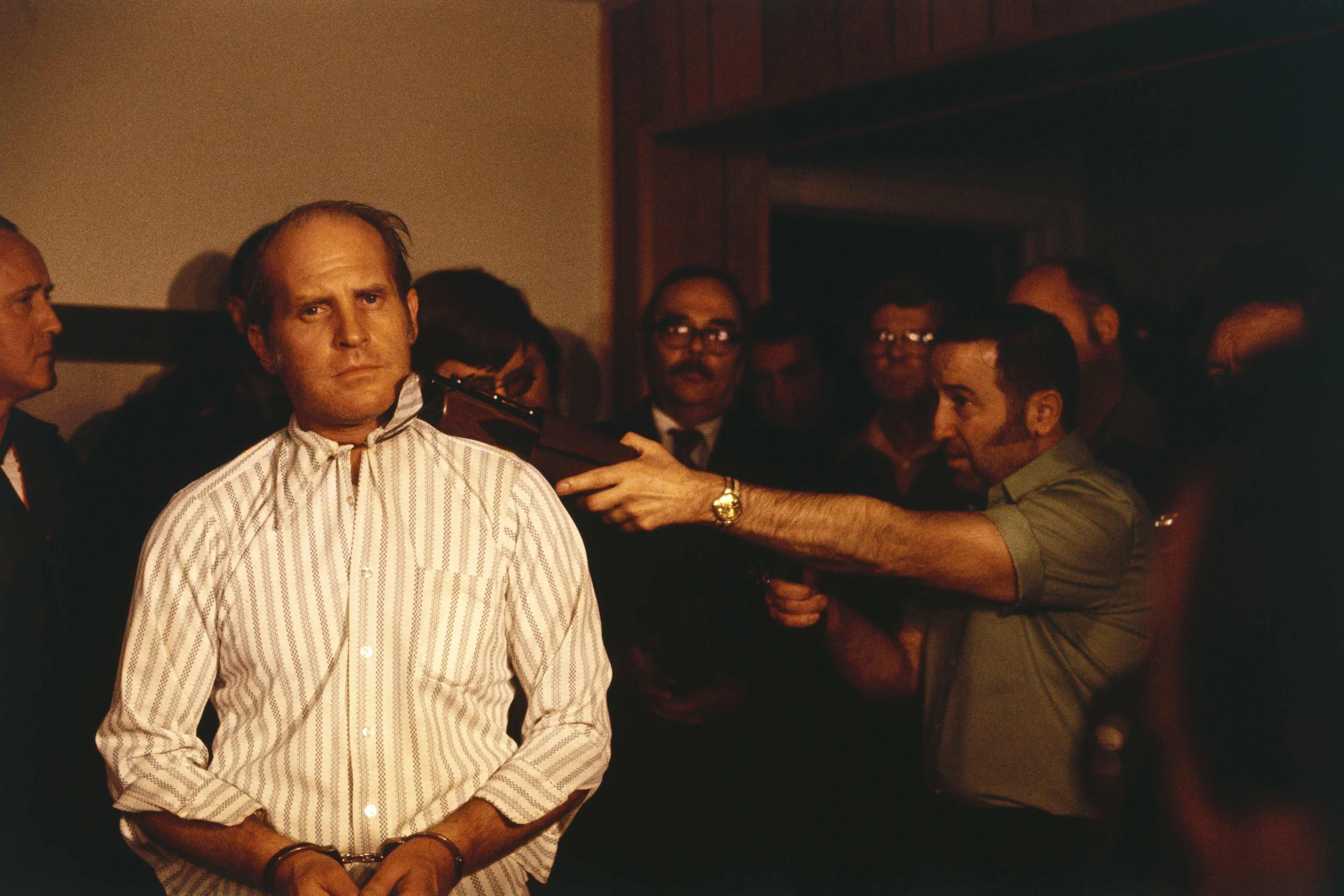
Tony Kiritsis
Also known as: Anthony George Kiritsis
Birthday
August 13, 1932
Birth Sign
Leo
Birthplace
Indianapolis, Indiana
Age
Died at 72
About
Anthony George Kiritsis (August 13, 1932 – January 28, 2005) was an American resident of Indianapolis, Indiana, best known for a high-profile 1977 hostage crisis that fundamentally altered the ethics and practices of television journalism. Unlike the fame associated with entertainers or athletes, Kiritsis's notoriety stems entirely from his criminal actions during a dispute over commercial land development. He held mortgage broker Richard O. Hall hostage at gunpoint for 63 hours, wearing a dead man's wire rigged to his shotgun, which detonated if he were shot by police.
The incident, widely covered by local and national media, resulted in a Pulitzer Prize-winning photograph by John Blair and sparked a national debate on the role of live broadcasting in crime scenarios. His actions forced law enforcement agencies and news organizations to reevaluate their protocols during ongoing criminal incidents involving hostages. The event remains a defining case study in media ethics courses today, illustrating how live coverage can inadvertently empower criminals.
Early Life & Background
Kiritsis was born on August 13, 1932, in Indianapolis, Indiana. A Leo by birth sign, he lived a relatively obscure life before the events of 1977. Specific details regarding his parents, early childhood, or formal education are not extensively documented in public records available as of 2026. Prior to the 1977 incident, Kiritsis lived in Indianapolis and worked in real estate development. He had acquired a piece of land intended for commercial development but secured a mortgage through Meridian Mortgage.
As economic pressures mounted, Kiritsis fell behind on payments. His financial situation deteriorated significantly when his mortgage broker, Richard O. Hall, refused to grant him additional time to make payments. This refusal led to the confrontation that defined Kiritsis's life. Available photographs from 1977 depict a man of average build, consistent with his age and lifestyle at the time, though specific height and weight measurements are not recorded in public biographical data.
Career Growth
In February 1977, the conflict escalated into violence when Kiritsis took Richard Hall hostage at gunpoint, demanding $5 million and a public apology from the bank. The standoff lasted for 63 hours. During this ordeal, Kiritsis marched Hall through the snowy streets of Indianapolis, forcing him to carry a sawed-off shotgun wired to his own neck, a mechanism designed so that if Kiritsis were shot, the wire would trigger the weapon, killing both men. This tactic became known as the dead man's wire.
The event drew massive attention from the Indianapolis news media, who broadcast live coverage of the unfolding drama. This live coverage was later criticized for potentially influencing Kiritsis's behavior and prolonging the standoff. Following his arrest, Kiritsis was charged with kidnapping, armed extortion, and armed robbery. However, he was eventually acquitted by reason of insanity. Following the insanity verdict, Indiana legislators passed laws restricting the use of hostages in such negotiations and reforming how law enforcement and media interact during crises. The National Association of Broadcasters also revised guidelines regarding the live broadcasting of ongoing criminal incidents.
Career Timeline
Public Image & Style
Tony Kiritsis does not have a fandom in the conventional sense. He is not celebrated by fans but rather studied by historians, journalists, and true-crime enthusiasts. His public image is that of a cautionary tale, a man whose desperation and mental instability led to a national crisis. The media portrays him as a complex figure whose actions forced a societal reckoning with the power of the press. There are no fan campaigns, merchandise, or fan-named groups dedicated to him; instead, discussions about him are academic or investigative. His story serves as a stark reminder of the consequences of unchecked ambition and mental health struggles.
Fame & Fandom (iFAMOUS Rankings)
iFANN has not yet collected fame data for this person. While he is not ranked in current global fame metrics, his name remains instantly recognizable within true-crime circles and journalism history textbooks due to the unique nature of the 1977 incident. There is no formal fandom name documented for Kiritsis. Instead of fan campaigns or merchandise, discussions about him are academic or investigative. True-crime communities often analyze the ethical implications of the media coverage that accompanied his 63-hour standoff. Recent interest spiked in late 2026 with the release of the series American Hostage, which brought his story back into the cultural conversation for a new generation of viewers. In September 2026, this series premiered, starring Giovanni Ribisi as Kiritsis and Jon Hamm as Fred Heckman, pulling significant attention from the Oscars circuit.
Interesting Facts and Legends
The most iconic element of the Kiritsis legend is the shotgun rigged to his neck with a wire that would detonate if he were shot. This device, used to ensure mutual destruction, became a symbol of his desperation and the high stakes of the standoff. Photographs of Kiritsis marching Hall through the freezing Indianapolis snow, with the camera crews trailing them, created a visual narrative of a man pushed to the brink. These images are now considered some of the most powerful in photojournalism history. The event is legendary for forcing the news industry to confront its complicity. The fact that Kiritsis knew he was being watched and played to the cameras is a core part of the lore, highlighting the dangerous symbiosis between criminals and live news.
No direct quotes from Tony Kiritsis himself are widely available in public transcripts. Most accounts of his words come from police recordings or witness testimonies during the 1977 siege. One recurring sentiment attributed to him during the standoff was his demand for "justice" and his refusal to surrender until his demands were met. In January 2026, a tour of the site of the kidnapping in Indianapolis's west side was organized, commemorating the nearly five-decade-old ordeal. Associated figures include Richard O. Hall, the hostage; Fred Heckman, the prominent Indianapolis newsman; and John Blair, the photographer who won a Pulitzer Prize.
Family & Personal Life
There is no public record of Tony Kiritsis being married, engaged, or having a documented dating history. No children are attributed to him in any public documentation. As of his death in 2005, he was single. Specific details regarding his parents, siblings, household, or pets are absent from available archives. He appears to have been a solitary figure driven by his business disputes rather than family connections. Statements by the family regarding the estate or its handling were not made public according to the available information.
Notable Connections
Relationships & Dating History
Unlike many public figures whose romantic lives are chronicled, Kiritsis's personal life remained largely private and devoid of high-profile relationships. He appears to have been a solitary figure driven by his business disputes. There is no public record of Tony Kiritsis being married, engaged, or having a documented dating history. No children are attributed to him in any public documentation. As of his death in 2005, he was single. His focus remained entirely on his business disputes and the subsequent legal battles, leaving no room for documented romantic partnerships.
Death & Aftermath
Died
January 28, 2005 (aged 72)
Death Place
Indianapolis, Indiana
Cause of Death
Unknown
Anthony George Kiritsis died on January 28, 2005, in Indianapolis, Indiana, at the age of 72. He had spent more than a decade in a state mental hospital prior to his passing. The specific medical facility and the official cause of death remain unrecorded in available public documents. Following his death, there was no major public funeral or memorial service reported in the archives. Public reaction focused on retrospective analysis of his 1977 crimes rather than his mortality.
Attention centered on the historical significance of the event, including the impact on journalism ethics and the enduring legacy of the "dead man's wire." A documentary titled Dead Man's Wire revisiting the 1977 event was produced and discussed around the time of these records, further cementing the event in cultural memory. Following his death, Kiritsis's legacy persisted primarily through media productions rather than formal awards or foundations. A feature film titled Dead Man's Wire was created to recount the story of the 1977 hostage crisis. Statements by the family regarding the estate or its handling were not made public according to the available information. No foundations or causes were created in his name, and his story continues to be analyzed in articles focusing on the ethical implications of the 1977 media coverage.
Net Worth (Estate Value)
$0
iFANN Editorial Team estimate
As a person who was incarcerated for decades following a criminal act and who died in a state mental hospital, Tony Kiritsis did not accumulate wealth in the traditional sense. There are no credible reports of a net worth, assets, or estate value associated with him. Any estimates of net worth found online are likely speculative or erroneous, as he left no known fortune.
His estate, if it existed, was minimal, consisting likely of personal effects and perhaps a small pension or state support, which would have been managed by the state given his status as a patient in a mental institution. iFANN currently estimates Tony Kiritsis's net worth at approximately $0. He spent more than a decade in a state mental hospital prior to his passing, leaving no legacy of financial accumulation or investment portfolios.
Awards & Accolades
Known For
1977 Hostage Crisis
1977 · Hostage Taker
American Hostage
2026 · Subject of Series
Keywords
Sources
Quick Facts
- Profession
- hostage taker
- Born
- August 13, 1932
- Birthplace
- Indianapolis, Indiana
- Died
- January 28, 2005
- Gender
- Male
- Birth Sign
- Leo
Personal Details
- Full Name
- Anthony George Kiritsis
- Children
Frequently Asked Questions
Who was Tony Kiritsis?
Did Tony Kiritsis die?
What happened to Tony Kiritsis after the hostage crisis?
Is there a movie about Tony Kiritsis?
Why is Tony Kiritsis famous?
Similar People
Join the community
fans discussing