 Ukraine
About
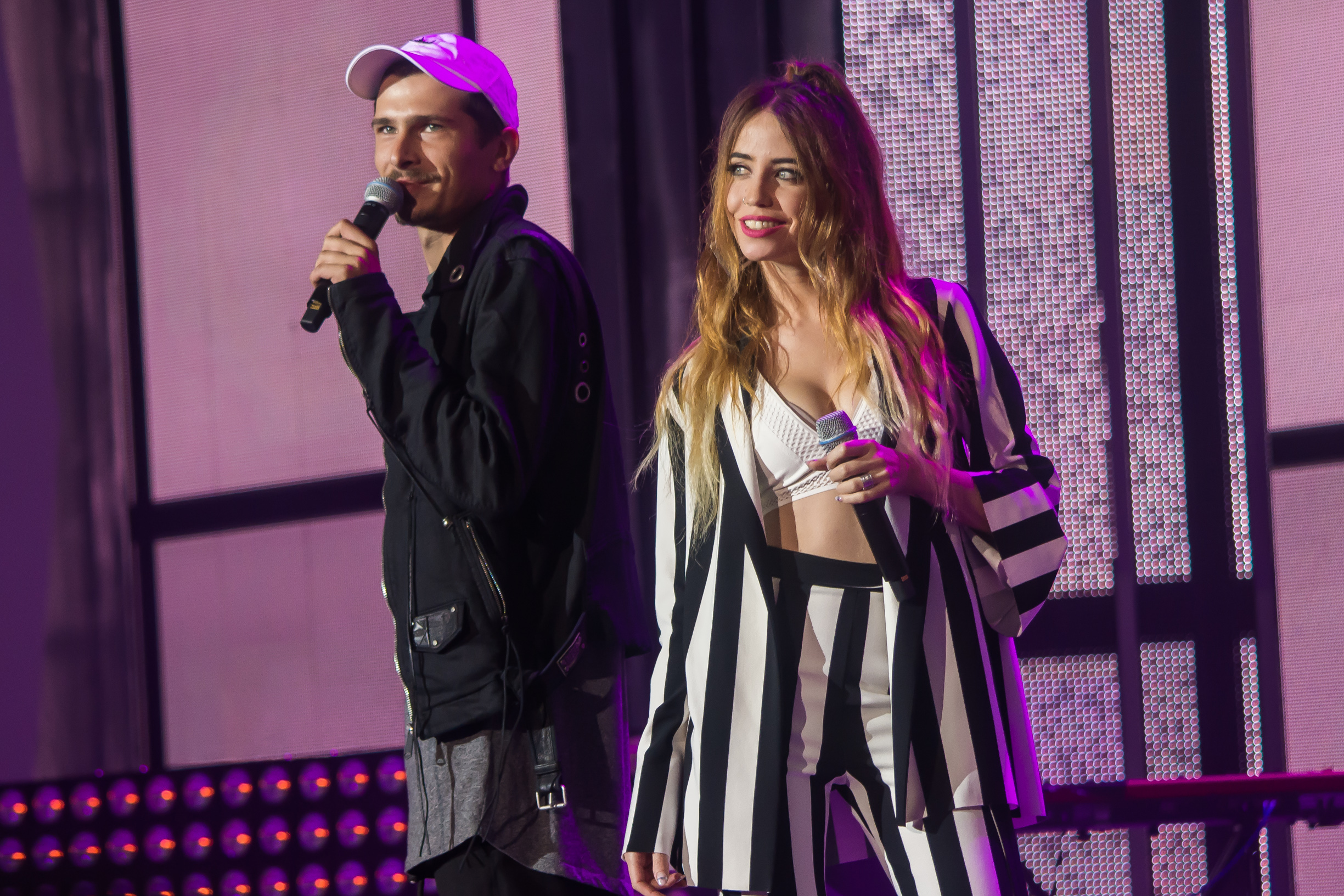
Time and Glass is no longer active, having disbanded in 2020, but their music continues to resonate with fans across Eastern Europe. During their career, they were known for a distinctive sound that merged electronic beats, hip hop rhythms, and catchy pop hooks. Their videos, often featuring bold fashion and playful narratives, helped them stand out in a crowded market.
The duo’s success was substantial: their YouTube channel drew over 1.99 billion views, and they performed at major events like the Golden Gramophone and Crimea Music Fest. They also made a mark in animation by voicing the lead characters in The Stolen Princess (2019) and singing its theme song. Today, both members have moved on to individual projects, but the group’s catalog remains popular among streaming audiences.
Formation Story
Time and Glass came together in 2010 thanks to Ukrainian producer Oleksiy Potapenko, widely known as Potap. At the time, Potap was already a prominent figure in the country’s music scene, performing as part of the duo Potap and Nastya. He spotted Nadiya Dorofeeva, a young singer from Yalta, and Oleksiy Zavhorodniy, a Kyiv-born musician who had been working on backing tracks, and decided to pair them as a duo.
The name “Time and Glass” was a clever linguistic joke, playing on the Russian phrase “vremya isteklo” (time’s up). This wordplay became a signature of the group’s identity, hinting at their witty and ironic approach to pop music. From the start, the duo’s chemistry was evident, with Dorofeeva’s powerful vocals complementing Zavhorodniy’s rapping and production skills.
Their early years were spent honing their sound and building a following through energetic live performances and increasingly polished music videos. By the time they released their self-titled debut album in 2014, they had already established themselves as rising stars in the region. The album’s mix of electronic and hip hop tracks showcased their versatility and set the stage for a string of hit singles that would dominate charts across Ukraine and Russia.
Members
Musical Style
Time and Glass built their reputation on a high-energy blend of electronic and hip hop music, often with a pop sheen that made their tracks instantly catchy. Their early work leaned heavily on synth-driven beats and simple, repetitive hooks, but as they matured, their productions became more sophisticated, incorporating elements of EDM, dance-pop, and even R&B. The duo was known for their playful, sometimes tongue-in-cheek lyrics, often delivered with a sharp wit that matched their group name’s pun.
Their music videos were a crucial part of their appeal, featuring elaborate choreography, vibrant color palettes, and narrative concepts that ranged from romantic to absurd. This visual flair helped them stand out in a crowded market and contributed to their massive YouTube views. Songs like “Имя 505” (“Name 505”) became viral phenomena, spreading beyond Eastern Europe to other parts of the world.
In their later years, the duo explored more mature themes, as heard in tracks like “До зірок” and their final single “Forever/Never.” These releases showed a more polished, emotionally resonant side, while still retaining the energetic core that defined their sound.
Discography
| Title | Year |
|---|---|
| Forever/Never | 2020 |
| До зірок (To The Stars) | 2019 |
| Песня 404 (Song 404) | 2017 |
| Имя 505 (Name 505) | 2016 |
| Ритм (Rhythm) | 2015 |
| Время и Стекло (Time and Glass) | 2014 |
| Так выпала Карта (So the Card Fell) | 2013 |
Tours
Farewell Tour
2020
Cultural Impact
Time and Glass left a significant mark on the Eastern European pop scene, particularly in Ukraine and Russia. Their fusion of electronic and hip hop influences helped popularize a modern, dance-oriented sound that many young artists would later emulate. Their music videos, with their bold aesthetics and high production values, raised the bar for visual presentation in the region’s pop industry.
The duo also crossed into film, voicing the lead roles in the 2019 animated movie The Stolen Princess and performing its theme song. This venture showcased their versatility and expanded their reach beyond music. Their influence extended to fashion and youth culture, with their distinctive style inspiring fans across the region.
Even after their breakup, the group’s music continues to be streamed widely, and their songs remain staples at parties and events. Time and Glass helped shape the sound of a generation of Eastern European pop, and their impact is still felt today.
Fandom Culture
Time and Glass did not have a widely documented fandom name, lightstick, or official fan colors, but they maintained a strong connection with their audience through social media. Their Instagram account @vremyaisteklo and YouTube channel served as primary hubs for fan interaction, where followers could keep up with new releases and behind-the-scenes content.
The duo’s fans were known for their enthusiastic support, often driving their music videos to millions of views within days of release. The viral success of tracks like “Имя 505” was fueled by fan shares and dance challenges. While there are no records of organized fan projects or official fan clubs, the group’s lively online presence helped build a close-knit community that followed them until the very end.
Awards & Accolades
View 1 records, honours and achievementsMilestones
Group formed by producer Oleksiy Potapenko
Release of self-titled debut album
Voiced lead roles in The Stolen Princess and performed theme song
Released final single 'Forever/Never' and disbanded after farewell tour on October 30
Trivia
Time and Glass’s name is a pun on the Russian phrase “vremya isteklo,” meaning “time’s up,” a clever play on words that became a defining aspect of their identity.
Both members went on to pursue solo careers after the breakup. Nadiya Dorofeeva has become a prominent solo artist in Ukraine under the name DOROFEEVA, while Positiff has continued working in music production.
The duo performed at the Crimea Music Fest, a notable festival in the region, and also appeared at the Golden Gramophone and Slavic Bazaar events.
In 2019, they voiced the lead roles in the animated film The Stolen Princess, showcasing their talents beyond music.
Despite primarily performing in Russian, the group has dedicated Wikipedia articles in 16 languages, including German, Spanish, French, Italian, Japanese, and Vietnamese, indicating their broad international recognition.
Keywords
Sources
Quick Facts
- Type
- Duo
- Formed
- 2010
- Origin
- Ukraine
- Label
- Pomitni
- Genres
- electronic, hip hop, pop
- Members
- 2
- Status
- Disbanded
Group Info
- Formed
- 2010-01-01
- Origin
- Ukraine
- Label
- Pomitni
- Status
- Disbanded (2020-10-30)
Social Media
Also Known As
Join the community
fans discussing