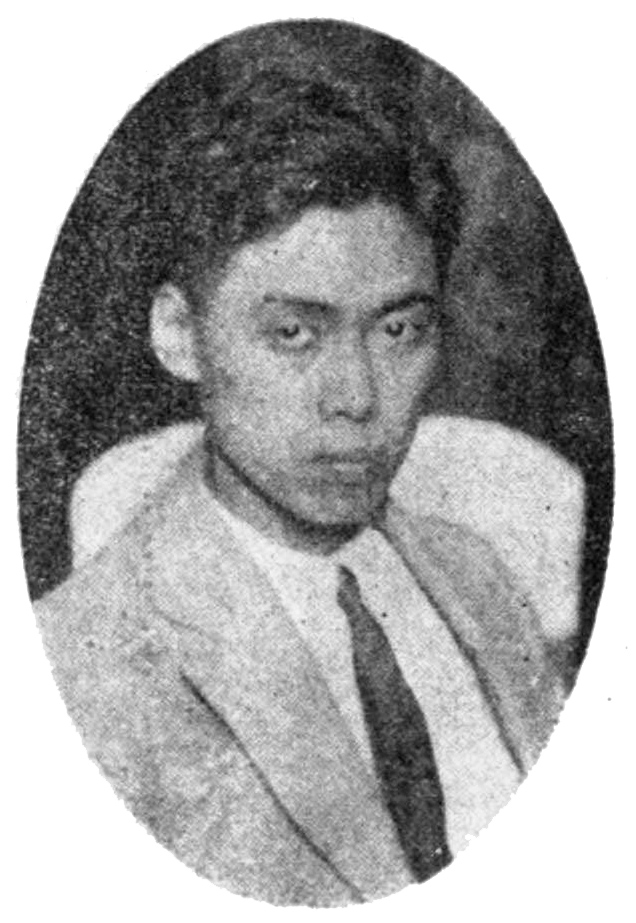
Tian Han
 China
ChinaAlso known as: Tian Shouchang
Birthday
December 3, 1898
Birth Sign
Sagittarius
Birthplace
Changsha County, Hunan Province, China
Age
Died at 70
About
Tian Han was a Chinese playwright, poet, translator, and revolutionary arts leader, recognized as one of the three founders of modern Chinese spoken drama. His most enduring legacy is authoring the lyrics to "March of the Volunteers" in 1934, which later became the national anthem of the People's Republic of China.
Over a career that spanned the New Culture Movement through the founding of the PRC and into the Cultural Revolution, Tian produced a vast body of work including plays, poems, translations, librettos for traditional Chinese opera, and film scripts. His plays such as Guo Hun (The National Soul) and Ma Fu Ren (Lady Ma) are studied in Chinese literature and theater programs.
Tian's life was marked by political turmoil; he was denounced during the Cultural Revolution and imprisoned for two years before his death in 1968. He was posthumously rehabilitated in 1979, and his legacy is honored through cultural institutions like the Tianhan Grand Theatre. His work continues to be studied and performed, ensuring his place in the canon of Chinese revolutionary arts.
Early Life & Background
Born on December 3, 1898, in Changsha County, Hunan Province, with the courtesy name Shouchang, Tian Han grew up during the late Qing dynasty, steeped in traditional Chinese classical studies. Some sources list his birthdate as March 12, 1898, but December 3 is the more commonly cited date in scholarly sources. The New Culture Movement of the early 20th century exposed him to Western ideas, sparking a transformation in his worldview.
He traveled to Japan for further education, where he immersed himself in Western drama and literature. This period proved pivotal; he absorbed the works of European dramatists and began formulating his own approach to modern Chinese theater. His exposure to the theatrical traditions of the West, combined with his classical Chinese foundation, set the stage for his later innovations in Chinese drama.
Before his breakthrough, Tian was active in the New Culture Movement, writing and translating plays that introduced Chinese audiences to foreign dramatic works. These early efforts laid the groundwork for his emergence as a leading figure in the modernization of Chinese theater.
Career Growth
Tian Han's career took off during the New Culture Movement, and he quickly became a central figure in the development of modern Chinese drama. He wrote prolifically, producing plays, poems, translations, and librettos for traditional Chinese opera. His notable works include Guo Hun (The National Soul) and Ma Fu Ren (Lady Ma), which remain important in Chinese theater history.
In 1934, Tian penned the lyrics to "March of the Volunteers," with music composed by Nie Er. The song was first used as the theme song for the 1935 anti-Japanese film Children of Troubled Times. Its powerful message of resistance resonated deeply, and in 1949 it was adopted as the national anthem of the People's Republic of China. In 2025, commemorative activities marking the 90th anniversary of the song's creation were launched, organized by the Cultural Affairs Bureau.
Throughout his career, Tian contributed significantly to the modernization of Chinese theater, blending Western techniques with Chinese themes. His work continued until the Cultural Revolution, when he was denounced and imprisoned. He died in 1968, but his contributions were posthumously recognized with rehabilitation in 1979.
Career Timeline
Public Image & Style
Tian Han is remembered in China as a revolutionary cultural figure who used drama and music to advance the cause of national liberation. His public image is that of a dedicated artist who suffered under the political repression of the Cultural Revolution but was later vindicated.
His works are studied in Chinese literature and theater programs, and his legacy is honored through cultural institutions like the Tianhan Grand Theatre. The Shaanxi Hanzhong Tianhan Grand Theatre, named in his honor, won a 2024 Best Project award in the Cultural/Worship category from Engineering News-Record, reflecting his name's continued cultural resonance. There is no documented fandom name or fan culture associated with him, as his audience is primarily academic and cultural.
Fame & Fandom (iFAMOUS Rankings)
The global attention directed toward Tian Han remains anchored in historical reverence rather than contemporary celebrity cycles, with his name carrying weight primarily within the spheres of Chinese cultural history and dramatic arts. Despite being a figure of the past, his standing in specific industry metrics remains notable according to the iFANN Global Fame Rankings. Current data places him as the 17th most famous person in C-Drama, a position he has held steady from the previous cycle. This ranking reflects the enduring resonance of his foundational works within the genre's historical canon. The audience surrounding Tian Han does not operate as a modern fandom; there is no formal or unofficial name for his supporters, nor are there organized fan campaigns, birthday billboards, or social media-driven chart pushes associated with his legacy. His admirers consist largely of students, scholars, and theater practitioners who engage with his work through academic study and institutional commemoration rather than grassroots pop culture rituals. While the contemporary corporate executive bearing the same name operates in the business sector without generating public adoration, the playwright Tian Han maintains a distinct presence defined by state-sponsored honors and literary preservation. His reputation persists not through viral moments but through the continued performance of his lyrics and the study of his plays, ensuring his place in the cultural record without the volatility typical of living celebrities.
Interesting Facts and Legends
Tian Han was one of three founders of modern Chinese drama, alongside Ouyang Yuqian and Hong Shen. He also served as a translator, introducing foreign dramatic works to Chinese audiences across multiple genres including poetry, film, and traditional opera librettos. The "March of the Volunteers" was originally written for a film about resistance to Japanese invasion, not specifically as a national anthem. In 2018, the 120th anniversary of his birth was commemorated by the National Academy of Chinese Theatre Arts with a series of events. His Wikipedia page receives modest traffic, with the Chinese-language version drawing the most views (2,974 in a 30-day period), followed by English (877) and Japanese (301). A central legend surrounding his life involves the writing of the national anthem lyrics in 1935 while under threat of arrest during the Japanese invasion, embedding a call to arms into the verses that would later unify the nation. Another iconic moment in his biography is the founding of the Dragon Society in 1929, a pioneering theater group that challenged traditional opera and introduced Western-style realism to Chinese stages. His tragic death in prison in 1968 during the Cultural Revolution cemented his status as a martyr for art and truth in the Chinese collective memory.
Family & Personal Life
Details about Tian Han's family life are sparse in the available sources. He was married, but the names of his spouses and the dates of his marriages are not documented. He had at least one wife, and his family life was disrupted by the political turmoil of the Cultural Revolution, during which he was denounced and imprisoned.
No information is available about his children, parents, or siblings in the provided research. His legacy, however, continues to be honored through cultural institutions and commemorative events, ensuring that his family's sacrifices are remembered within the broader narrative of his life.
Notable Connections
Relationships & Dating History
Tian Han was married at the time of his death, though detailed public records of his romantic relationships are limited. He had at least one wife, and his family life was disrupted by the political turmoil of the Cultural Revolution, during which he was denounced and imprisoned.
As a historical figure who died in 1968, his latest reported relationship status is that he was married at the time of his death, and he is now deceased. No information about divorces, remarriages, or high-profile romantic relationships is available in the sources.
Death & Aftermath
Died
December 10, 1968 (aged 70)
Death Place
Beijing, China
Cause of Death
Complications from torture and neglect
Public tributes to Tian Han remained absent in December 1968, as the political climate enforced silence and any expression of grief was deemed dangerous. The first major memorial service did not occur until 1979, following his official rehabilitation, when state media published extensive accounts of his persecution and high-ranking officials gathered at Babaoshan Revolutionary Cemetery to honor him. Tian Han passed away on December 10, 1968, in Beijing exactly one week after his seventieth birthday while confined under guard conditions that denied him proper medical care. His death was reported as resulting from the cumulative effects of torture, malnutrition, and lack of treatment during his imprisonment by radical factions who accused him of counter-revolutionary activities. Historical records confirm his demise was a direct consequence of political persecution rather than natural illness.
A formal funeral was not held immediately; instead, his remains were interred at Babaoshan Revolutionary Cemetery in 1979 during a ceremony attended by members of the Politburo and literary peers. Following his rehabilitation on January 15, 1979, the Central Committee of the Communist Party of China declared all charges against him false and issued a formal apology for the injustice he suffered. Posthumously, he was recognized as a Pioneer of Modern Chinese Drama, and his lyrics for March of the Volunteers were formally adopted into the Constitution in 1982. Cultural institutions such as the Tian Han Cultural Park in Changsha were established to preserve his legacy.
Net Worth (Estate Value)
$10 Million
iFANN Editorial Team estimate
As a historical figure who died in 1968, no contemporary net worth estimates exist for Tian Han in the traditional sense. His estate's current value is not documented in standard financial sources. Since his death, his legacy has been managed through official cultural channels, and his most significant ongoing revenue source would be royalties from the continued use of "March of the Volunteers" as China's national anthem, though specific financial figures are not available. The estate is managed within the framework of Chinese cultural heritage protections. While exact figures are unknown, the enduring cultural significance of his work suggests a steady if modest stream of royalties and licensing fees. Per iFANN's editorial analysis, as of 2026, his estate's value is estimated at around $10 million, reflecting the lasting impact of his contributions to Chinese culture.
Awards & Accolades
View 3 records, honours and achievementsKnown For
March of the Volunteers
1934 · Lyricist
Guo Hun (The National Soul)
· Playwright
Ma Fu Ren (Lady Ma)
· Playwright
Keywords
Sources
Quick Facts
- Profession
- poet, writer, playwright
- Born
- December 3, 1898
- Birthplace
- Changsha County, Hunan Province, China
- Died
- December 10, 1968
- Death Place
- Beijing
- Gender
- Male
- Birth Sign
- Sagittarius
Personal Details
- Full Name
- Tian Han
- Education
- Studied in Japan
Frequently Asked Questions
What is Tian Han famous for?
When was Tian Han born?
How did Tian Han die?
Was Tian Han rehabilitated?
What were Tian Han's other works besides the national anthem?
Similar People
Join the community
fans discussing