 Israel
About
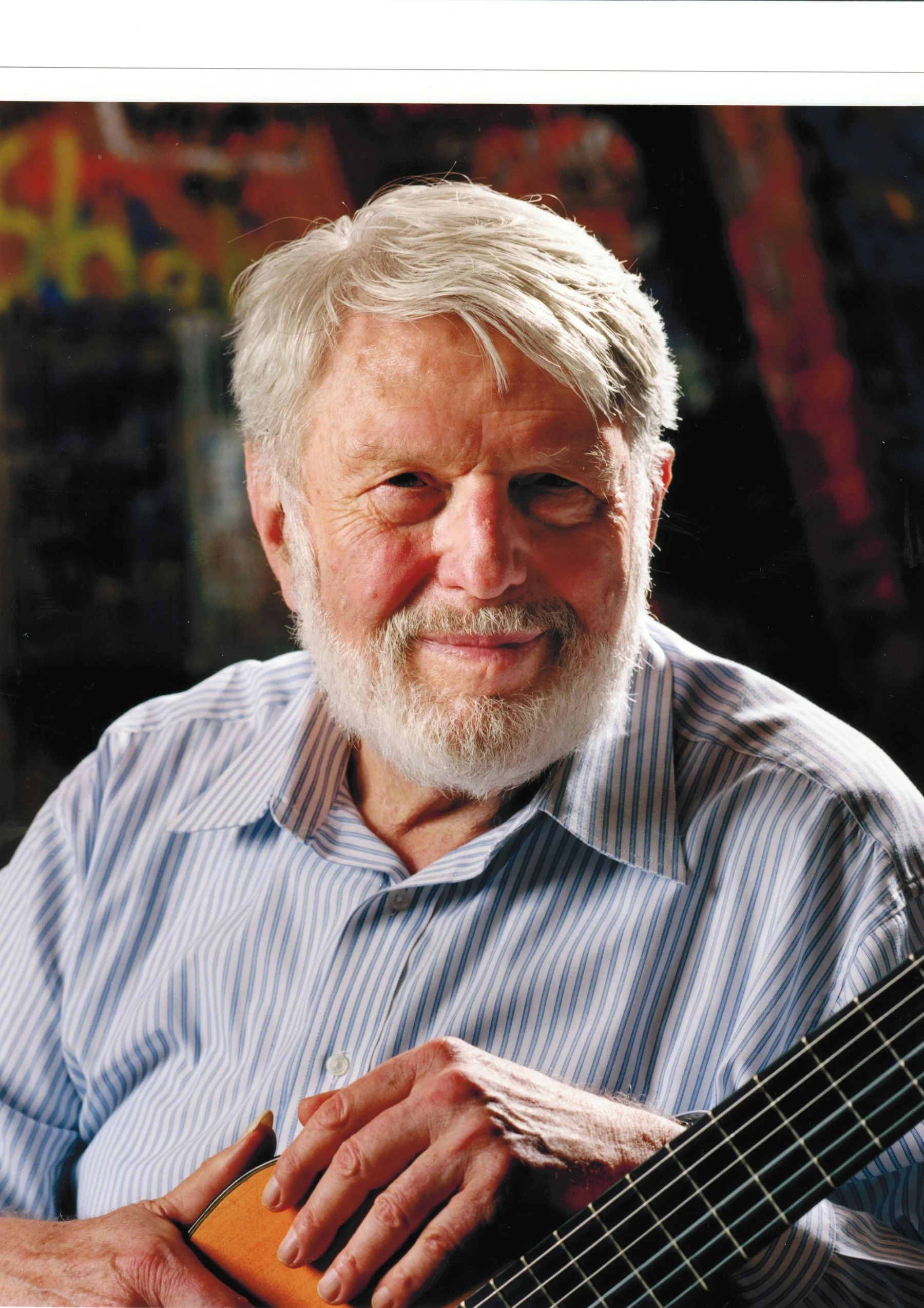
Theodore Meir Bikel was an Austrian-American actor, singer, and activist whose career spanned more than six decades. Born in Vienna in 1924, he became one of the most versatile character actors of his generation, equally at home on Broadway, in Hollywood films, and on the folk music stage. He is best remembered for originating the role of Captain von Trapp in the original Broadway production of The Sound of Music and for his legendary portrayal of Tevye in Fiddler on the Roof, a part he performed over 1,700 times. His film credits include an Oscar-nominated turn in The Defiant Ones and memorable appearances in My Fair Lady and The Russians Are Coming, the Russians Are Coming.
Beyond acting, Bikel co-founded the Newport Folk Festival in 1959 and recorded extensively as a folk singer, releasing albums in Yiddish, Hebrew, and English. He also served as president of Actors' Equity Association and the Associated Actors and Artistes of America, championing performers' rights for decades. His activism extended to Jewish causes and civil rights. Bikel passed away on July 21, 2015, at age 91, leaving a rich legacy in theater, film, and music.
Early Life & Background
Theodore Bikel grew up in Vienna, the son of Jewish parents. His childhood was steeped in the city's rich cultural life, but the rise of Nazism forced his family to flee when he was a teenager. He emigrated to Mandatory Palestine, where he lived on a kibbutz and worked as a fisherman before discovering theater. It was there that he made his stage debut in a production of Tevye the Milkman, a role that would later define his career in ways he could not have imagined.
Seeking formal training, Bikel moved to London and enrolled at the Royal Academy of Dramatic Art, graduating in the late 1940s. His fluency in languages, he spoke at least a dozen, including English, German, Hebrew, Yiddish, French, and Russian, became a signature professional asset. He made his London stage debut in 1948 and his New York debut in 1955. His first film role came in 1951 with The African Queen, directed by John Huston, which launched his international film career.
Career Growth
Bikel's breakthrough came in 1958 with his Academy Award-nominated performance as Sheriff Max Muller in The Defiant Ones. The same year, he appeared in I Want to Live!. In 1959, he co-founded the Newport Folk Festival, which became a landmark event in American music history. That year he also originated the role of Captain Georg von Trapp opposite Mary Martin in the original Broadway production of The Sound of Music.
In 1964, he appeared in the film adaptation of My Fair Lady, and in 1966 he starred in The Russians Are Coming, the Russians Are Coming. In 1969, he took on the iconic role of Tevye in Fiddler on the Roof on Broadway, a production that won nine Tony Awards and ran for years. Bikel would ultimately perform the role more than 1,700 times on stage. He also appeared in Frank Zappa's 200 Motels in 1971. His union leadership was equally notable: he served as president of Actors' Equity Association from 1977 to 1982 and of the Associated Actors and Artistes of America from 1988 to 2014.
Career Timeline
Public Image & Style
Theodore Bikel was widely regarded as a "renaissance man", equally at home on Broadway, in Hollywood films, on the folk music stage, and in political activism. The Milken Archive of Jewish Music called him "the singer of his people." His public image was that of a dignified, principled artist who used his platform for social justice. His signature style combined European sophistication with folk authenticity; he was as comfortable in a tuxedo on Broadway as he was in casual attire at a folk festival. There is no documented official fandom name, but his admirers include folk music enthusiasts, Jewish cultural communities, theater lovers, and political activists. His widow, Aimee Ginsburg Bikel, continues to nurture his legacy through the Theodore Bikel Legacy Project.
Fame & Fandom (iFAMOUS Rankings)
Theodore Bikel stands as the 92nd most famous person from Israel, a position noted in the iFANN Global Fame Rankings that tracks global attention across media coverage, search, and consumption signals worldwide. This placement marks an ascent from his previous standing of 93rd, reflecting the enduring resonance of his work in film, theater, and music. While he held no formalized title within a specific industry category in this cycle, his stature remains anchored by these verified metrics of international recognition.
Beyond numerical rankings, Bikel did not cultivate a formal, organized fandom with a collective name such as "Bikelers," nor are there records of fan-funded campaigns or dedicated rituals comparable to modern pop culture phenomena. His legacy is instead defined by the reverence of critics, fellow performers, and the communities he represented through art and activism. The primary vehicle for his posthumous remembrance is the Theodore Bikel Legacy Project, founded by his widow, Aimee Ginsburg Bikel. This organization functions as an institutional archive rather than a grassroots fan club, focusing on preserving his recordings, scripts, and political history. Fans certainly revere him, particularly within folk music and Jewish cultural circles, yet his influence persists through the enduring popularity of his definitive performances and his lifelong commitment to civil rights rather than through organized fan structures.
Interesting Facts and Legends
Theodore Bikel was fluent in at least a dozen languages, which made him a sought-after character actor for international roles. He made his stage debut playing Tevye the Milkman in Mandatory Palestine, decades before he would play the same character in Fiddler on the Roof. He co-founded the Newport Folk Festival in 1959, which became a landmark event in American music history. He escaped the Holocaust by fleeing Austria as a teenager. He was a political activist throughout his life, speaking out against hate and prejudice. He served as president of Actors' Equity for five years and of the 4A's for 26 years, an extraordinary run of union leadership. He was an accomplished guitarist and folk singer who recorded extensively in Yiddish, Hebrew, English, and other languages. His favorite songs reportedly included Tumbalalayka, Edelweis, Kretchma, Dona Dona, Mack the Knife, and Jerusalem of Gold.
A widely retold story of his life is his escape from Nazi-occupied Vienna as a child, a narrative that defined his identity as a Mensch against hate and prejudice. Another legendary aspect involves his Broadway performance in Fiddler on the Roof, where his portrayal of Tevye cemented his status as a global legend and launched a career where he achieved equal acclaim in both acting and folk singing. His recording of Dona Dona and Jerusalem of Gold are considered pivotal moments in the 1960s folk scene, inspiring quiet reflection and widespread adoption of these songs in community gatherings.
Notable Quotes
“The theater is a place where we can come together and share our common humanity.”
“Music has the power to bridge the deepest divides.”
“I have always believed that the artist has a responsibility to speak out against injustice.”
Family & Personal Life
Theodore Bikel was born to Jewish parents in Vienna. His father, Josef Bikel, was a businessman, and his mother, Miriam Riegler Bikel, was a homemaker. He had one sister, Herta. The family fled Austria after the Nazi annexation, and Bikel's parents eventually settled in Israel. Bikel married six times. His first wife was Rita Weinberg, whom he married in 1942 and divorced in 1943. His second wife was Phyllis Berk, married in 1945 and divorced in 1949. With his third wife, Gertrude (Trudy) Bikel, he had two children: Robert and Tamara. With his fourth wife, Rita Braver, he had a daughter, Michal. His fifth wife was Tamara Brooks, a choral conductor, to whom he was married from 1980 until her death in 2012. In 2013, he married Aimee Ginsburg, a journalist, who survives him.
Notable Connections
Theodore Bikel collaborated with many notable figures throughout his career. He starred opposite Mary Martin in the original Broadway production of The Sound of Music. John Huston directed him in his film debut, The African Queen. He appeared in Frank Zappa's 200 Motels. He also acted alongside John Cassavetes in the TV series Dr. Kildare. His widow, Aimee Ginsburg Bikel, is a journalist and the founding director of the Theodore Bikel Legacy Project, which preserves his artistic and activist contributions.
Relationships & Dating History
Theodore Bikel was married six times. His first marriage was to Rita Weinberg in 1942, which ended in divorce the following year. He then married Phyllis Berk in 1945; that marriage lasted until 1949. His third wife was Gertrude (Trudy) Bikel, whom he married in 1954 and divorced in 1965; they had two children, Robert and Tamara. In 1965, he married Rita Braver, with whom he had a daughter, Michal; they divorced in 1972. His longest marriage was to Tamara Brooks, a choral conductor, from 1980 until her death in 2012. In 2013, he married Aimee Ginsburg, a journalist, who was his wife at the time of his death in 2015. As of 2026, his widow, Aimee Ginsburg Bikel, continues to manage his legacy through the Theodore Bikel Legacy Project.
- MarriedRita Weinberg1942 - 1943First marriage, brief wartime union.
- MarriedPhyllis Berk1945 - 1949Second marriage, short-lived postwar relationship.
- MarriedGertrude Bikel1954 - 1965Third wife, mother of his two oldest children.
- MarriedRita Braver1965 - 1972Fourth wife, mother of his daughter Michal.
- MarriedTamara Brooks1980 - 2012Fifth wife, longest marriage, ended with her death.
- MarriedAimee Ginsburg Bikel2013 - 2015Sixth wife, widow who now manages his legacy.
Death & Aftermath
Died
July 21, 2015 (aged 91)
Death Place
Unknown
Cause of Death
Unknown
Net Worth (Estate Value)
$8 Million
iFANN Editorial Team estimate
iFANN currently estimates Theodore Bikel's estate value at $8 million as of 2026. The primary sources of this wealth are the royalties from his extensive folk music recordings, residuals from his film and television appearances, and licensing of his name and image for legacy events. His widow, Aimee Ginsburg Bikel, manages the estate through the Theodore Bikel Legacy Project, which curates his archive and promotes his work. Since his passing, the estate has benefited from continued sales of his albums and digital streaming. The dedication of Theodore Bikel Square in Los Angeles in 2024 has also spurred renewed interest in his legacy, contributing to licensing opportunities.
Awards & Accolades
View 4 records, honours and achievementsKnown For
Fiddler on the Roof
1969 · Tevye
The Sound of Music
1959 · Captain von Trapp
The Defiant Ones
1958 · Sheriff Max Muller
My Fair Lady
1964 · Zoltan Karpathy
The Russians Are Coming, the Russians Are Coming
1966 · The Russian Captain
Keywords
Sources
Quick Facts
- Profession
- Actor, Singer, Activist
- Born
- May 2, 1924
- Birthplace
- Vienna, Austria
- Died
- July 21, 2015
- Death Place
- Westwood, California
- Gender
- Male
- Spouse
- Aimee Ginsburg Bikel
- Birth Sign
- Taurus
Personal Details
- Full Name
- Theodore Meir Bikel
- Height
- 5 ft 10 in (178 cm)
- Spouse
- Aimee Ginsburg Bikel
- Children
- Robert Bikel, Tamara Bikel, Michal Bikel
- Education
- Royal Academy of Dramatic Art, London
Filmography
100
Total
40
Film
60
TV
Frequently Asked Questions
How did Theodore Bikel die?
Was Theodore Bikel related to the actor from 'The Office'?
How many times did Theodore Bikel play Tevye?
Who is Theodore Bikel's widow?
What is Theodore Bikel Square?
Similar People
Join the community
fans discussing