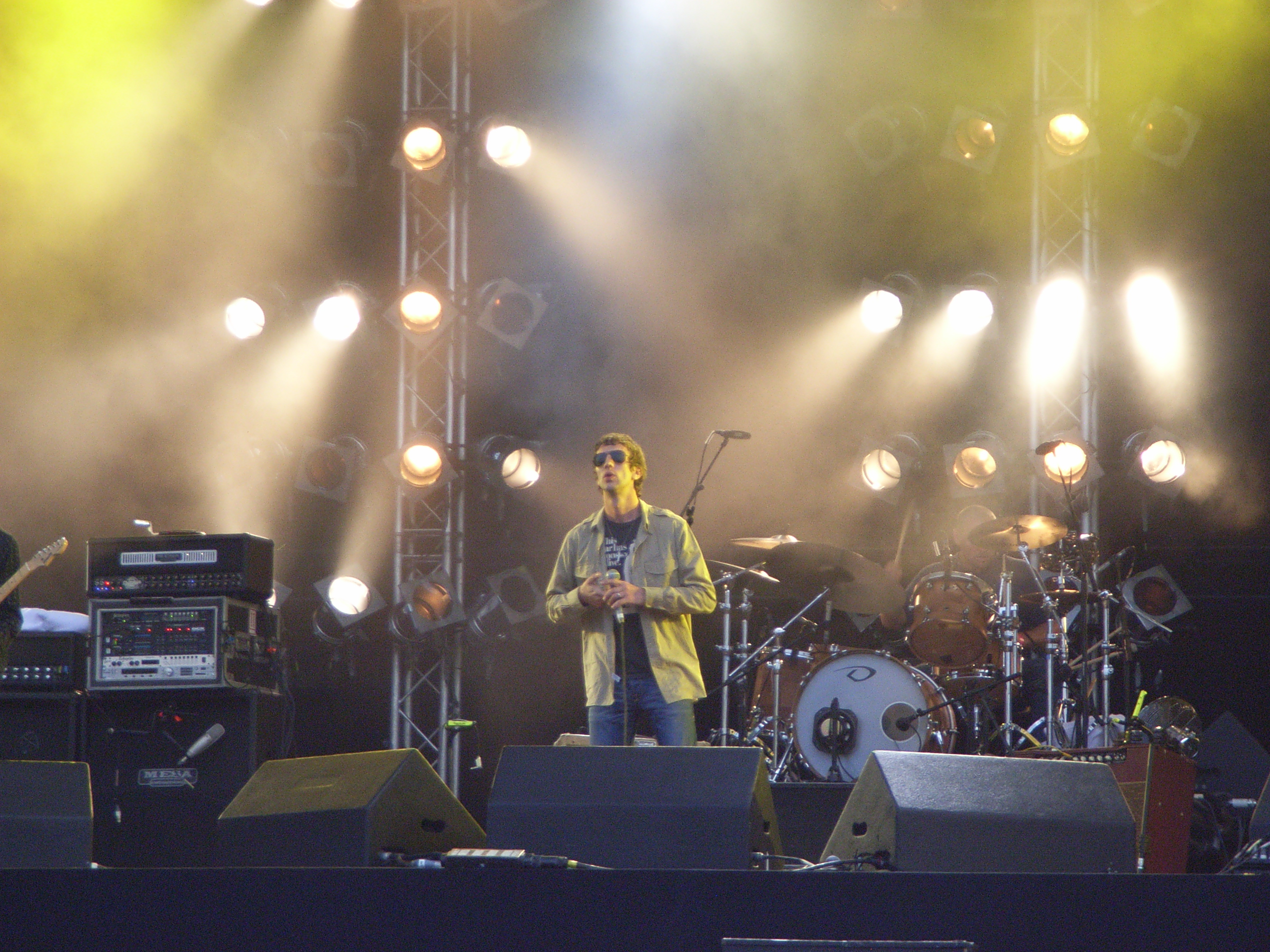
The Verve
 United Kingdom
From Wigan to the world with anthemic rock
4
Members
About
As of 2026, The Verve remains a disbanded entity following the death of drummer Peter Salisbury in January 2011. The group is remembered for its transformation from a shoegaze outfit into one of the defining acts of the Britpop era. Their legacy rests primarily on the 1997 album Urban Hymns, which sold over four million copies in the UK and produced two number-one singles. Richard Ashcroft continues to tour as a solo artist, occasionally performing Verve tracks, while Simon Jones pursues other musical projects. No official reunion has occurred since 2009, and the loss of Salisbury effectively closed the door on any future full-band activity.
The band's identity was built on a dynamic contrast between Ashcroft's emotive, often spiritual lyrics and McCabe's textural, effects-laden guitar work. This sonic architecture allowed them to dominate festivals like Glastonbury and secure spots on major international charts. While their active years were relatively short, spanning three distinct phases separated by breakups, their influence on alternative rock remains significant. Fans continue to celebrate their ability to blend psychedelic experimentation with accessible, anthemic songwriting.
Formation Story
The band formed in Wigan in 1990 when university friends Richard Ashcroft, Nick McCabe, Simon Jones, and Peter Salisbury began playing together in local venues. Originally named just Verve, they added "The" to distinguish themselves from the American jazz label of the same name. Their early days were marked by a relentless touring schedule and a string of demos that showcased a heavy reliance on reverb and feedback. In December 1992, they released their self-titled EP on Hut Records, followed by the debut studio album A Storm in Heaven in August 1993. This initial phase established a sound rooted in dense psychedelic shoegaze, characterized by long, droning tracks and abstract lyrical themes.
The path to mainstream success was not linear. Internal conflicts and drug abuse, particularly heroin use within the group, led to the departure of guitarist Nick McCabe in 1995. This event triggered the band's first dissolution shortly after the release of A Northern Soul, an album that attempted a more structured Britpop approach but lacked the cohesion of their earlier work. Ashcroft pursued a solo career during this hiatus, dismissing rumors of a reunion for several years. The group eventually reconvened in 1997, recruiting session musician Simon Tong temporarily before solidifying the lineup. Their return was immediate and explosive, driven by the creation of Urban Hymns.
The final chapter of their story began in 2007 when the band announced a reunion tour. They recorded new material and released the album Forth in 2008, which returned to a heavier, more aggressive rock sound. Tensions resurfaced quickly during the subsequent tour, leading to a third and final breakup in 2009. The death of Peter Salisbury in 2011 cemented the end of the band's history, leaving behind a catalog that defined a generation of British rock music.
Members
Former Members
Musical Style
The Verve's sound evolved significantly across their career. Their early work on A Storm in Heaven was deeply influenced by shoegaze and psychedelic rock, featuring swirling guitars and ethereal production. The brief middle period saw a shift toward Britpop and alternative rock, though it remained less commercially successful than their later output. The peak era, defined by Urban Hymns, incorporated orchestral arrangements and space rock elements. The track "Bitter Sweet Symphony" utilized a sampled string loop from an Andrew Loog Oldham recording, creating a sweeping, cinematic backdrop for Ashcroft's vocals.
Lyrical themes often explored spirituality, love, loss, and social observation. Ashcroft's writing style was poetic and sometimes cryptic, avoiding direct political statements in favor of personal introspection. The band's live performances were known for their intensity and length, often extending beyond two hours. They favored a wall-of-sound approach, layering guitars and keyboards to create a massive sonic landscape. The final album Forth marked a return to a harder rock sound, stripping away some of the orchestral flourishes in favor of raw energy and driving rhythms.
Discography
| Title | Year |
|---|---|
| Forth | 2008 |
| Urban Hymns | 1997 |
| A Northern Soul | 1995 |
| A Storm in Heaven | 1993 |
| The Verve | 1992 |
Tours
Urban Hymns Tour
1997 · 120 shows
Forth Tour
2008 · 45 shows
Cultural Impact
The Verve played a central role in the "Cool Britannia" movement of the mid-1990s, bridging the gap between indie rock and mainstream pop culture. Their performance at Glastonbury in 1997 is widely regarded as one of the greatest live sets in the festival's history, capturing the zeitgeist of the era. The song "Bitter Sweet Symphony" became an anthem for a generation, despite the legal controversy surrounding its sampling. This dispute, which initially stripped Ashcroft of all songwriting credits, sparked a broader conversation about copyright law and artist rights in the music industry.
Their influence extended beyond music into fashion and lifestyle. The band's aesthetic, characterized by a mix of bohemian and rock-and-roll styles, resonated with fans worldwide. The success of Urban Hymns demonstrated that alternative rock could achieve massive commercial success without compromising artistic integrity. The band's legacy continues to inspire contemporary artists who seek to blend psychedelic textures with anthemic song structures.
Fandom Culture
Unlike modern K-pop groups, The Verve did not have a formalized fandom name or official lightstick. Fans are generally referred to collectively as "Verve fans" or simply by the community nickname "Vervians." There is no single fan color, though imagery associated with Urban Hymns often features deep blues, purples, and golds. Fan traditions center around the collective memory of the 1997 Glastonbury performance and the enduring popularity of "Bitter Sweet Symphony." Fans often gather for tribute events or reunions to sing along to the band's greatest hits, keeping the spirit of the group alive decades after their final split.
Awards Won (28)
The Verve won seven major awards during their career, including two Brit Awards in 1998 for Best British Group and Best British Album. They also secured NME Awards for Best Band and Best Single, Q Awards for Best Album and Best Track, and an MTV Europe Music Award for Best Song. The Ivor Novello Award recognized their international hit "Bitter Sweet Symphony" as the International Hit of the Year. These accolades highlight their dominance in the late 1990s British music scene.
Best Song
for: Bitter Sweet Symphony
Best British Group
for: The Verve
Best British Album
for: Urban Hymns
for: Urban Hymns
for: Themselves
for: Themselves
Best Band
for: The Verve
Best Single
for: Bitter Sweet Symphony
Best Album
for: Urban Hymns
Best Track
for: Bitter Sweet Symphony
Milestones
Band formed in Wigan
Release of debut album A Storm in Heaven
Release of Urban Hymns and #1 hit Bitter Sweet Symphony
Won two Brit Awards
First breakup
Reunion announced
Release of Forth
Third and final breakup
Death of Peter Salisbury
Trivia
The band was originally named Verve before adding 'The' to avoid confusion with the Verve Records jazz label., The string loop in "Bitter Sweet Symphony" was taken from an orchestral version of The Rolling Stones' "The Last Time.", During their 1997 Glastonbury headline set, the stage collapsed due to heavy rain, forcing the band to play on a makeshift platform., Richard Ashcroft received no songwriting credits for "Bitter Sweet Symphony" until 2019, after a 22-year legal battle., Peter Salisbury passed away in 2011 from a heart attack, effectively ending any possibility of a reunion.
Keywords
Sources
Quick Facts
- Type
- Rock Band
- Formed
- 1990
- Origin
- Wigan, England
- Label
- EMI
- Genres
- Alternative Rock, Psychedelic Rock, Space Rock
- Members
- 5
- Status
- Disbanded
Group Info
- Formed
- 1990
- Debut
- 1992-12-07
- Debut Song
- The Verve (EP)
- Origin
- Wigan, Greater Manchester, England
- Company
- Hut Records / Virgin Records / XL Recordings
- Label
- EMI
- Status
- Disbanded (2009)
Also Known As
Join the community
fans discussing