The Sequence
 United States
Hip-hop's first ladies
3
Members
About
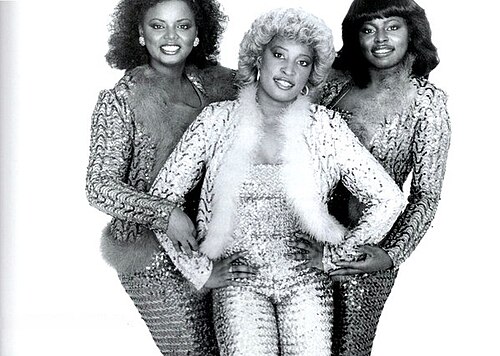
The Sequence stands as a foundational pillar in the history of hip hop, specifically regarding the role of women in the genre. Formed in 1979 under the guidance of Sylvia Robinson, the trio became the first commercially successful female rap group and the first all-female act to release a hip hop album on vinyl. Their sound evolved from the raw party anthems of the late 1970s into a polished funk-infused style that bridged the gap between disco and early rap. While the group is officially classified as a trio, historical documentation often highlights the enduring legacy of Angie B. and Blondy, who continued to be associated with the group's name long after the original lineup shifted.
Today, the group is recognized not for current touring activity or new releases but for their monumental impact on the industry. They were the first female hip-hop act to sell over one million records worldwide, a feat unmatched by any other female rap group until decades later. The group's debut single "Funk You Up" reached number one on the Billboard R&B chart and number twenty-five on the Billboard Hot 100. Their catalog remains a vital reference point for scholars and fans studying the origins of hip hop culture. In September 2026, the group was honored at the National Museum of African American Music in Nashville for their historical significance.
Formation Story
Sylvia Robinson, the founder of Sugar Hill Records, scouted local talent in Columbia, South Carolina, to form a group capable of capitalizing on the emerging hip hop scene. She recruited three young women: Angie Brown (later known as Angie Stone), born March 15, 1961; Gwendolyn Chisolm (known as Blondy), born July 24, 1962; and Cheryl Smith (known as Cheryl the Pearl). Unlike many groups that formed organically among friends, this unit was assembled with specific intent to create a female counterpart to the male acts dominating the charts at the time. The name "The Sequence" was chosen to reflect the sequential nature of their rhymes and the order in which they would perform their verses.
The trio underwent training specifically designed for the demands of live performance and recording. They honed their skills at local clubs before signing with Sugar Hill Records. Their debut single, "Funk You Up," was released in November 1979. The track utilized the iconic "Funky Drummer" breakbeat and featured spoken-word lyrics focused on empowerment and fun. It reached number one on the Billboard R&B chart and became the first rap song performed by women to achieve significant commercial success. The subsequent album, Sugar Hill Presents The Sequence, followed in 1980, marking a historic milestone as the first hip hop record on vinyl released by an all-female act.
As the group matured, they faced challenges common to the era, including disputes over royalties and creative control with the label. These issues contributed to the departure of Cheryl the Pearl after the second album cycle. Despite these hurdles, the remaining members continued to record, releasing the self-titled The Sequence in 1982 and The Sequence Party in 1983. Their sound during this later period incorporated more live instrumentation and smoother R&B harmonies, reflecting the shifting musical landscape of the early 1980s.
Members
Musical Style
The Sequence's discography showcases a clear evolution from the raw, party-oriented "old-school" hip hop of the late 1970s to a more polished, funk-infused R&B and disco-hip hop fusion. Their earliest work, exemplified by "Funk You Up" and "Counting," relied on simple rhythmic beats and direct spoken-word lyrics. "Counting" peaked at number twelve on the Billboard R&B chart in 1980. These tracks defined the era's aesthetic with their reliance on breakbeats and straightforward delivery.
By the time they released their 1982 self-titled album and 1983's The Sequence Party, the group had adopted a smoother production style. This era featured more live instrumentation, complex harmonies, and danceable disco rhythms. Tracks like "You're Too Cool" and "Party Time" demonstrated their ability to adapt to the changing tastes of the audience while maintaining their core identity as pioneers. "Party Time" peaked at number thirty-two on the Billboard R&B chart in 1983. Additionally, the group members co-wrote and performed on "Let's Dance (Make Your Body Move)" in 1981 for the West Street Mob, showcasing their versatility beyond their own releases. This shift was partly driven by the label's desire to broaden their appeal beyond the core hip hop audience, resulting in a sound that prefigured the R&B-hip hop crossover that would dominate the 1990s.
Discography
| Title | Year |
|---|---|
| Funk You Up | 1979 |
| Sugar Hill Presents The Sequence | 1980 |
| Counting | 1980 |
| The Sequence | 1982 |
| Let's Dance (Make Your Body Move) | 1981 |
| The Sequence Party | 1983 |
| Party Time | 1983 |
Cultural Impact
The Sequence's influence on the music industry extends far beyond their sales figures. They broke the gender barrier in hip hop, proving that women could be successful MCs and producers in a male-dominated field. Their success paved the way for future generations of female rappers, including Salt-N-Pepa, Queen Latifah, Missy Elliott, and Nicki Minaj. Their work also influenced the crossover of hip hop into R&B and pop, setting the stage for the genre's global dominance.
Additionally, Angie Stone's subsequent solo career further cemented the group's legacy in the R&B world. Her transition from a member of The Sequence to a Grammy-nominated solo artist highlighted the versatility and longevity of the talents nurtured within the group. Before joining the group, Angie Stone worked as a backup dancer and singer. Her solo career began in the 1990s and has earned her multiple Grammy nominations and sales of over ten million records. The group's story serves as a crucial case study in the commercialization of hip hop and the role of women in its earliest days. They are frequently cited in "Greatest of All Time" lists by Rolling Stone and Billboard as essential pioneers.
Fandom Culture
No official fandom name was established during their active years, as the concept of organized "fandoms" was not prevalent in the hip hop community of the early 1980s. There are no lightsticks or official fan colors associated with the group, as these traditions developed in later decades. Fans today celebrate their legacy through online communities, tribute events, and the annual recognition by the National Museum of African American Music. Interest in the group has surged recently due to documentaries and retrospectives highlighting their overlooked contributions to hip hop history. While the group does not maintain an official unified social media presence, individual members like Angie Stone have active profiles where they occasionally reference the group's legacy. Recent features have appeared in digital outlets and niche magazines focusing on music history.
Awards Won (2)
While The Sequence did not win awards from major ceremonies like the Grammys, AMAs, or MTV VMAs during their active years, they have received significant posthumous recognition. In September 2026, the group was honored at the National Museum of African American Music in Nashville for their historical significance and contribution to the genre.
Historical Significance
for: Lifetime Achievement
Milestones
Formation in Columbia, SC; release of "Funk You Up"
Release of Sugar Hill Presents The Sequence, the first hip hop album by an all-female act
Co-writing and performing on "Let's Dance (Make Your Body Move)" by West Street Mob
Release of self-titled album
Release of final album, The Sequence Party
Honored at the National Museum of African American Music for their historical contributions
Trivia
The name "The Sequence" was chosen to reflect the sequential nature of their rhymes and the order in which they would perform their verses., Before joining The Sequence, Angie Stone (then Angie Brown) was a backup dancer and singer., The group co-wrote and performed on "Let's Dance (Make Your Body Move)" by West Street Mob, a side project of their labelmates., They were the first female hip hop act to sell over one million records worldwide., The group faced significant challenges with Sugar Hill Records regarding royalty payments and creative control.
Keywords
Sources
Quick Facts
- Type
- Trio
- Origin
- United States
- Label
- Sugar Hill Records
- Genres
- old-school hip-hop
- Status
- Disbanded
Group Info
- Formed
- 1979
- Debut
- 1979-11-01
- Debut Song
- Funk You Up
- Origin
- Columbia, South Carolina, United States
- Company
- Sugar Hill Records
- Label
- Sugar Hill Records
- Status
- Disbanded (1984)
Also Known As
Join the community
fans discussing