The Platters
 United States
Many Voices, One Name
Oldies Lovers
Fandom
2
Members
About
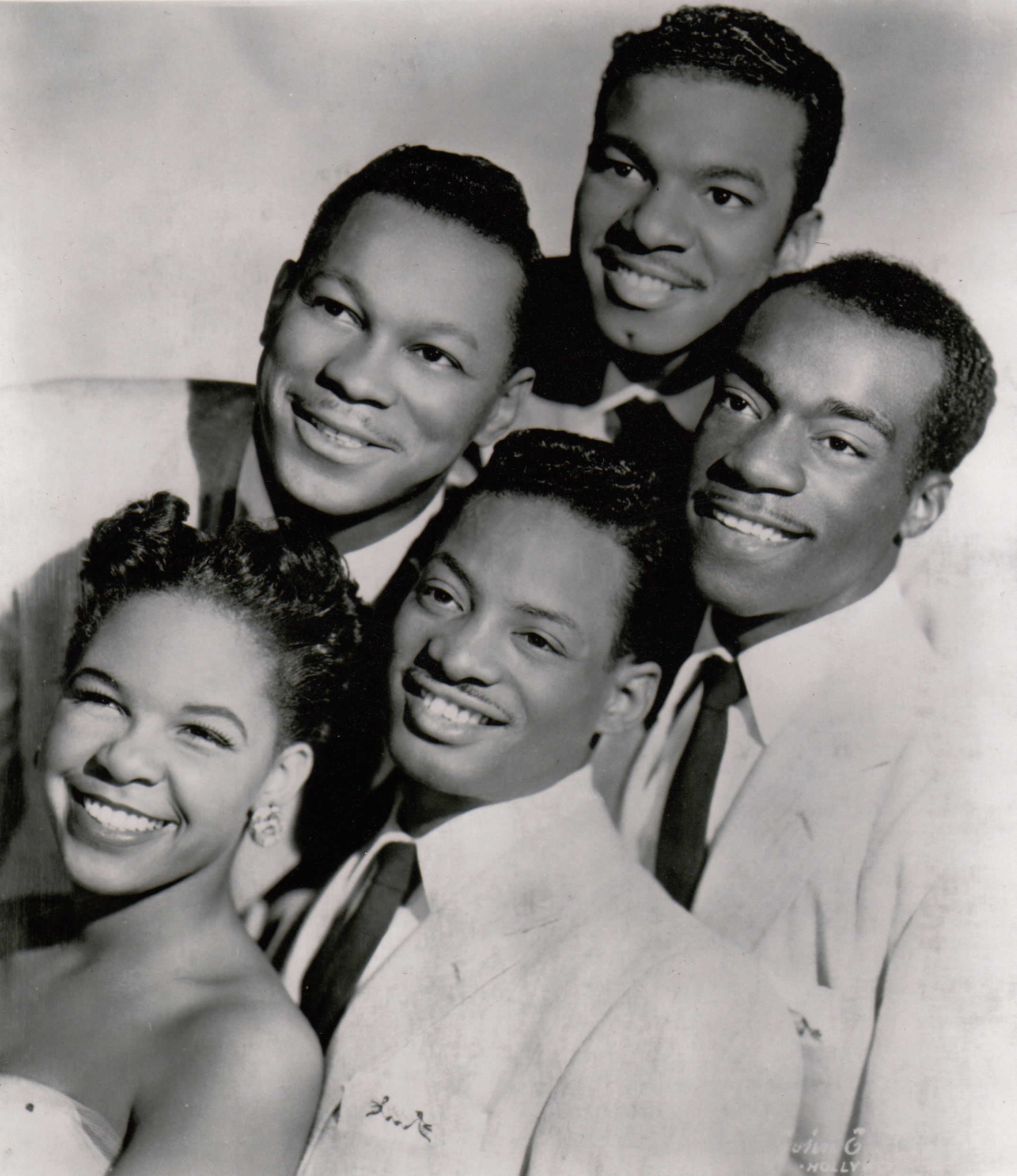
The Platters stand as a cornerstone of American vocal harmony, currently active through tours managed by Herb Reed Enterprises. While the original lineup has passed, the group maintains its identity as a living archive of the 1950s romantic ballad style. Fans today connect with the enduring appeal of songs like The Great Pretender and My Prayer, which continue to dominate classic rock radio and streaming playlists decades after release. The current touring roster features long-standing successors who preserve the signature four-part harmony and emotional delivery that defined the group's golden era.
Operating under the strict legal protection of the "Many Voices One Name" trademark, the modern iteration ensures authenticity in every performance. The organization combats the proliferation of unauthorized tribute acts, maintaining a clear distinction for fans seeking the genuine article. Their presence on stage remains a testament to the timeless nature of their music, drawing crowds from multiple generations who appreciate the seamless blend of R&B and traditional pop.
Formation Story
Herb Reed founded the group in 1952 as a teenager in Los Angeles, initially calling it The Soul Stirrers before settling on The Platters in 1953. The name came from a simple thought: Reed felt it sounded like a delicious dish, implying something satisfying for the ear. Early auditions refined the lineup, bringing in Sonny Turner and eventually replacing him with Tony Williams, whose powerful tenor voice would become the group's signature. The addition of Zola Taylor provided the only female voice in the classic arrangement, adding a unique texture to their male-dominated harmonies.
After signing with Federal Records in 1954, the group struggled to find traction until manager Buck Ram took over production. Ram reshaped their sound, introducing lush string arrangements and focusing on romantic ballads rather than upbeat numbers. This strategic shift paid off immediately with the release of I'm Sorry in 1955, which hit the Top 20. The momentum continued with The Great Pretender, released later that year, which soared to number one on the charts. The group's rise coincided with a cultural shift where Black artists began crossing over to white audiences, breaking down barriers in the segregated music industry.
Members
Former Members
Tony Williams (Anthony Williams)
Lead Tenor · 1953–1960
Herb Reed (Herbert Reed)
Bass · 1952–2012
Zola Taylor (Zola Marie Taylor)
Soprano/Alto · 1953–1960
Paul Robi (Paul Roberti)
Baritone · 1953–1960
David Lynch (David Lynch)
Tenor · 1953–1960
Sonny Turner (Sonny Turner)
Tenor · 1952–1953
Jim Mitchell (Jim Mitchell)
Tenor · 1958–1959
Andy Gibson (Andy Gibson)
Baritone · 1960s
Betty Lou DeLozier (Betty Lou DeLozier)
Soprano · 1990s–2026
Musical Style
The Platters pioneered a sophisticated blend of doo-wop and traditional pop that set the standard for the early rock and roll era. Their sound relied heavily on tight, gospel-influenced harmonies layered over orchestral backings featuring strings and choirs. Tony Williams' lead vocals were characterized by a smooth, crooning quality that could switch effortlessly between power and softness. Buck Ram's production approach emphasized clarity and romance, stripping away the rough edges of street-corner singing to create a polished studio aesthetic.
This formula worked perfectly for ballads like Only You (And You Alone) and Twilight Time, where the focus remained entirely on the vocal interplay. As the 1960s progressed and musical tastes shifted toward harder rock and soul, the group adapted by incorporating more contemporary arrangements, though their greatest impact remained rooted in the mid-50s romantic style. Their ability to bridge the gap between the Tin Pan Alley tradition and the emerging youth culture made them unique among their peers.
Discography
| Title | Year |
|---|---|
| With Love, The Platters | 2026 |
| The Platters Vol. 10 | 1967 |
| The Platters Vol. 9 | 1966 |
| The Platters Vol. 8 | 1965 |
| The Platters Vol. 7 | 1964 |
| The Platters Vol. 6 | 1963 |
| The Platters Vol. 5 | 1962 |
| The Platters Vol. 4 | 1961 |
| The Platters Vol. 3 | 1960 |
| The Platters Vol. 2 | 1959 |
| The Platters | 1958 |
Tours
Legacy Tour
2026 · 2 shows
Global Tour
2025 · 50 shows
Cultural Impact
The Platters played a pivotal role in desegregating American music. Their massive success on white radio stations helped normalize African American artists in mainstream media during a time of deep social division. By appealing to both Black and White audiences simultaneously, they paved the way for future stars to achieve crossover success without compromising their artistic identity. Their influence extended beyond music into fashion and film, with their image becoming synonymous with the cool, romantic aesthetic of the 1950s.
Songs like My Prayer became global anthems, used in weddings, movies, and commercials to evoke feelings of nostalgia and devotion. The group's longevity also demonstrated the viability of legacy acts, proving that older music could remain relevant decades after its initial release. Their induction into the Rock and Roll Hall of Fame in 1990 solidified their place as architects of the genre, influencing countless vocal groups that followed in their footsteps.
Fandom Culture
Fans of The Platters generally identify as Oldies Lovers or simply Platters Fans rather than using a specific fandom name. Concert experiences often revolve around sing-alongs of classics, creating a communal atmosphere where audiences of all ages participate together. There are no lightsticks or official fan colors associated with the group, reflecting the pre-internet era of their peak popularity. Fan clubs existed in the 1950s and 60s, distributing newsletters and organizing meet-and-greets, while modern fans connect through online forums dedicated to preserving the group's history and discography.
Awards Won (21)
The Platters have received numerous prestigious awards throughout their career, recognizing their historical impact and sales achievements. They were inducted into the Rock and Roll Hall of Fame in 1990 and received the Grammy Lifetime Achievement Award in 1998. Their songs have been preserved in the National Recording Registry, and they hold multiple Gold and Platinum certifications from the RIAA. The group also earned BMI Pop Awards for their songwriting credits and was recognized by the Vocal Group Hall of Fame in 1999.
Lifetime Achievement
for: Career
Performance
for: Career
Performance
for: Career
Preservation
for: My Prayer
Preservation
for: The Great Pretender
Songwriting
for: The Great Pretender
Milestones
Group formed in Los Angeles by Herb Reed
"The Great Pretender" reaches #1 on Billboard Hot 100
"My Prayer" becomes a global anthem and hits #1
Release of "Twilight Time," another massive hit
Inducted into the Rock and Roll Hall of Fame
Death of founder Herb Reed
Release of new music "The Prayer"
Trivia
Herb Reed chose the name 'The Platters' because he thought it sounded like a tasty dish, suggesting something delicious., Tony Williams' falsetto voice in 'The Great Pretender' was so high-pitched that some listeners initially mistook it for a woman singing., Zola Taylor was the only female member of the classic lineup, providing unique alto and soprano harmonies., Herb Reed spent decades fighting legal battles against dozens of fake 'Platters' groups to protect the brand's integrity., The group released new music in 2026, including 'The Prayer,' continuing their creative output despite being a legacy act.
Keywords
Sources
Quick Facts
- Formed
- 1952
- Origin
- Los Angeles, California
- Label
- Mercury Records, Federal Records
- Genres
- Traditional Pop, R&B, Doo-Wop
- Status
- Active
Group Info
- Fandom
- Oldies Lovers
- Formed
- 1952
- Debut
- 1954
- Debut Song
- I'm Sorry
- Origin
- Los Angeles, California, USA
- Company
- Herb Reed Enterprises
- Label
- Federal Records, Mercury Records, United Artists
- Status
- Active
Also Known As
Join the community
fans discussing