 United States
“Laura Ingraham's show is a nightly exercise in grievance politics, tailored for an audience that feels left behind by a changing America.”
James Poniewozik
The New York Times
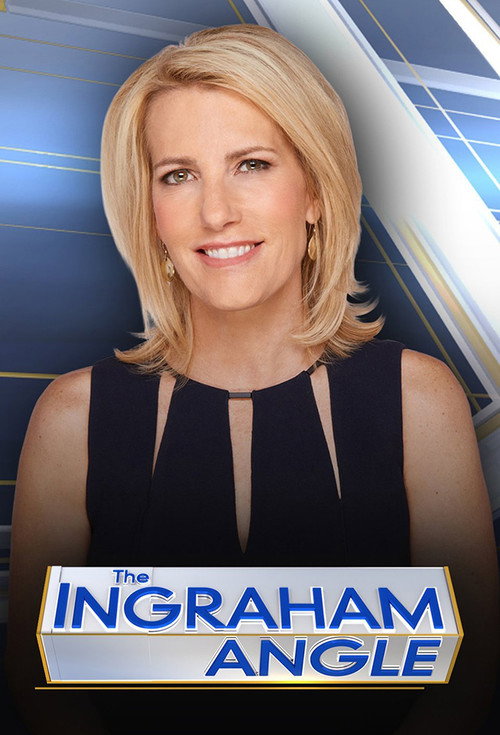
When Laura Ingraham premiered The Ingraham Angle on Fox News Channel in October 2017, she stepped into the 10 PM ET slot vacated by Bill O'Reilly. The show quickly became a fixture of conservative primetime, blending news analysis with a populist tone that Ingraham had honed during her years as a radio host. A former Supreme Court law clerk for Clarence Thomas, Ingraham brought legal rigour and a sharp editorial edge to each episode, often opening with a monologue targeting what she saw as liberal overreach.
The program's structure is straightforward: Ingraham delivers a commentary, then interviews guests ranging from Republican lawmakers to everyday citizens whose stories illustrate her themes. Segments like "Angle Investigation" dig into immigration, economic policy, and cultural flashpoints. The show has weathered advertiser boycotts and criticism from media watchdogs, yet it consistently draws millions of viewers nightly. As of 2025, the series continues to air new episodes, with no end in sight.
Availability and pricing can change. Confirm on the provider's site before purchasing.
Laura Ingraham positions The Ingraham Angle as a nightly forum for what she calls "the forgotten men and women of America", working and middle-class citizens she argues are neglected by elites. The show is not a fictional narrative but a real-time political commentary program that tracks the major news cycles of the Trump and post-Trump eras. Each episode typically begins with Ingraham's opening monologue, where she frames a current issue through a conservative, populist lens. She then conducts interviews with a rotating cast of guests: Republican senators like Ted Cruz and Josh Hawley, conservative commentators such as Mark Levin, and occasionally ordinary people whose personal experiences highlight the show's themes.
The series does not follow a traditional multi-season arc. Instead, its shape is determined by the political calendar. The first season (2017-2018) focused heavily on the early Trump presidency, tax reform, and the confirmation of Supreme Court Justice Brett Kavanaugh. Season two (2018) saw the show covering the midterm elections and the migrant caravan, which Ingraham covered extensively. Subsequent seasons addressed the COVID-19 pandemic, the 2020 election and its aftermath, and the ongoing culture wars over education, immigration, and corporate diversity initiatives. Ingraham's consistent framing is that ordinary Americans are being harmed by elite-driven policies, whether from Washington or Silicon Valley.
The show's format remains stable across seasons: a monologue, two or three interview segments, and occasional special reports. There is no finale or endgame to reveal, as the series is ongoing. The central conflict is ideological rather than narrative, Ingraham and her guests argue against liberal policies and "woke" culture while championing limited government, free speech, and national sovereignty. The show has been a significant platform for the "America First" movement and has faced criticism for promoting conspiracy theories, particularly around the 2020 election and COVID-19. Its cultural impact is undeniable; it has helped shape the conversation among conservative viewers and has been a frequent target of media watchdogs like Media Matters for America.
Critical Consensus
A polarizing opinion-driven platform that amplifies conservative populism, drawing sharp criticism from media watchdogs while maintaining a loyal primetime audience on Fox News. Its low IMDb score reflects its niche appeal and controversial nature.
“Laura Ingraham's show is a nightly exercise in grievance politics, tailored for an audience that feels left behind by a changing America.”
James Poniewozik
The New York Times
“The Ingraham Angle is less a news program than a rally, where the host stokes fear and anger with a polished, almost theatrical delivery.”
Brian Lowry
CNN
“Ingraham has carved out a distinct niche on Fox News, blending personal storytelling with hard-edged conservatism that resonates with her base.”
Michael M. Grynbaum
The New York Times
“The show's success lies in its ability to frame complex issues through a simple, populist lens, us versus them, that many viewers find compelling.”
David Bauder
Associated Press
“Critics have called out the program for spreading misinformation, but its ratings prove it remains a powerful force in conservative media.”
Oliver Darcy
CNN
Laura Ingraham
Host
Join the community
fans discussing