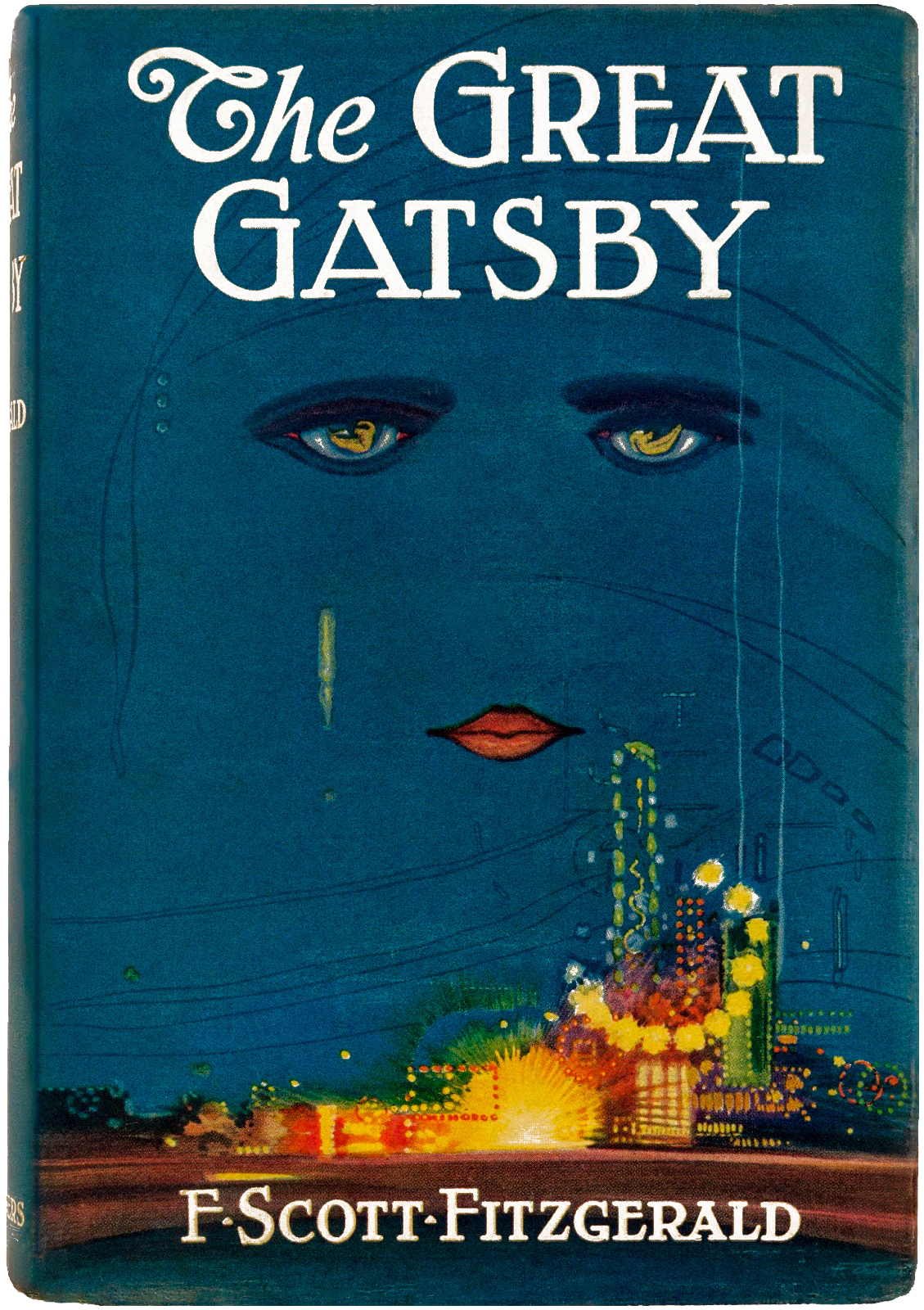
Overview
On a sweltering summer in 1922, Nick Carraway rents a small house on Long Island's North Shore, right next to a mansion that hosts wild parties every weekend. The host, Jay Gatsby, is an enigmatic millionaire whose only goal seems to be drawing the attention of Daisy Buchanan, his first love who now lives across the bay with her wealthy husband Tom. What begins as curiosity about the lavish gatherings turns into a deep entanglement with a world where old money rules and new wealth struggles to gain acceptance.
Fitzgerald crafted this narrative during the summer of 1924, refining the manuscript under the guidance of editor Maxwell Perkins before Charles Scribner's Sons released it on April 10, 1925. The story exposes the hollowness beneath the glitter of the Roaring Twenties, showing how Gatsby's dream of recapturing the past clashes with the harsh reality of the present. When a fatal car accident triggers a chain reaction of lies and betrayal, the illusion shatters completely.
Though the book sold fewer than 20,000 copies in its debut year, its reputation grew steadily after World War II when the Armed Services Editions distributed millions of copies to soldiers. Today, the novel stands as a defining work of American literature, offering a sharp critique of the corruption of the American Dream while exploring themes of class, love, and moral decay.
Awards
Modern Library's 100 Best Novels: List Inclusion: (1998)
Associated Press Best Books of the Century: List Inclusion: (2005)
Keywords
Sources
Book Info
- Author
- F. Scott Fitzgerald
- Publisher
- Charles Scribner's Sons
- Published
- April 10, 1925
- Pages
- 180
- ISBN
- 978-0743273565
- Language
- English
- Setting
- West Egg and East Egg, Long Island, Summer 1922
- Narrator
- Nick Carraway
- Initial Sales
- Fewer than 20,000 copies in first year
- Inspiration
- Fitzgerald's unrequited love for Ginevra King
- WWII Distribution
- Armed Services Editions program
- Estimated Total Sales
- Over 25 million copies worldwide
Join the community
fans discussing