 Italy
ItalyOverview
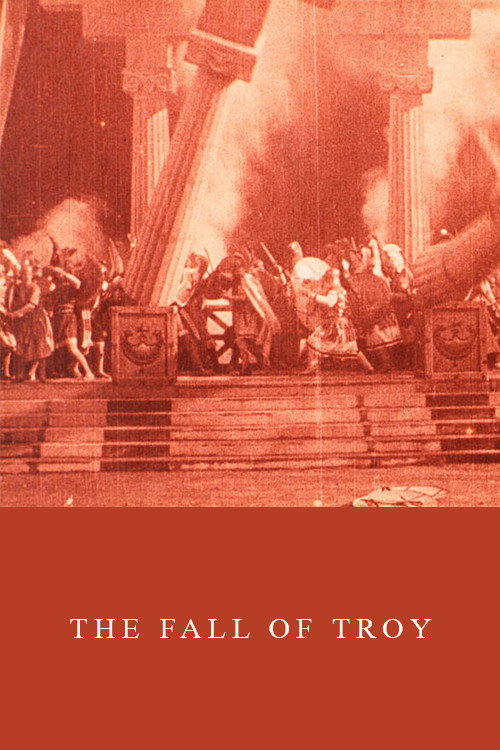
In 1911, Italian cinema was still finding its footing, and directors were experimenting with how to tell grand stories on a small screen. Luigi Romano Borgnetto, working with writer Giovanni Pastrone at Itala Film, took on one of the most enduring tales from antiquity: the Trojan War. The result was a silent short film simply titled The Fall of Troy, a 26-minute drama that packs the epic conflict into a brisk, visually driven narrative.
Borgnetto directed and also appeared in the film, alongside a cast that included Giovanni Casaleggio, Madame Davesnes, Emilio Gallo, Olga Giannini Novelli, and Giulio Vinà. Gallo played the king, likely Priam, while the others took on the roles of the Greek and Trojan figures. Since the film has no dialogue, the actors relied on exaggerated gestures and expressive faces to convey the story, a common approach in the early silent era.
The production was modest by today's standards, but for its time, it was an ambitious undertaking. Itala Film was known for historical spectacles, and they brought a level of craftsmanship to the sets and costumes that made the ancient world feel tangible. The film falls squarely into the drama, history, and war genres, with a tone that is earnest and mythic, treating the source material with respect rather than irony.
The Fall of Troy was released on March 16, 1911, and while it didn't achieve the lasting fame of later epics like Cabiria (also from Itala), it holds a place in cinema history as an early attempt to bring classical mythology to the screen. Its rating of 5.881 on a small sample of 21 votes suggests it's a curiosity for film historians more than a crowd-pleaser, but its historical value is undeniable.
Where to Watch
Free with ads
Availability and pricing can change. Confirm on the provider's site before purchasing.
PlotSpoiler-free
The story opens with the Greeks encamped outside the towering walls of Troy, their siege dragging into its tenth year. The Trojans, led by the noble Hector and other princes, defend their city with desperate valor, while the Greek camp is torn by internal strife and the brooding presence of Achilles. The film quickly establishes the central conflict: the abduction of Helen by Paris, which sparked the war, and the stubborn pride of both sides that prevents any peaceful resolution.
King Priam, played by Emilio Gallo, presides over the doomed city with a mixture of dignity and dread. He and his queen Hecuba consult priests and seers, who interpret omens and portents that foretell Troy's destruction. Yet the Trojans remain defiant, trusting in their formidable walls and the favor of their gods. The film depicts key episodes from the war's later stages: heroic duels between champions, funeral rites for fallen warriors, and the mounting tension as neither side can achieve a decisive victory.
Meanwhile, the Greeks, frustrated by their inability to breach Troy's defenses, turn to cunning. Odysseus, the master strategist, conceives a scheme that promises to achieve what brute force cannot. The narrative builds toward the famous stratagem involving a massive wooden horse, presented as an offering to the gods, its hollow belly concealing armed Greek soldiers. The Trojans, believing the Greeks have sailed away in defeat, celebrate what they believe to be their salvation, dragging the wooden horse into their city as a trophy of war.
The film's visual language emphasizes the scale of the ancient world through elaborate sets, period-appropriate costumes, and carefully choreographed battle sequences. The production values, while modest by modern standards, were ambitious for 1911 Italian cinema, with Itala Film bringing a level of craftsmanship that made the ancient world feel tangible. The tone is earnest and mythic, treating the source material with reverence rather than irony. The narrative builds toward the climactic night when Troy falls, and the fate of its people is sealed.
Ending ExplainedSpoilers
Critical Reception
Critical Consensus
As a 1911 silent short, The Fall of Troy has no modern critical consensus. Its historical importance lies in being one of the first cinematic takes on Greek mythology, a precursor to later Italian epics like Cabiria. Film historians value it as a curiosity of early cinema, not as a crowd-pleasing entertainment.
Top Cast
Luigi Romano Borgnetto
Giovanni Casaleggio
Madame Davesnes
Emilio Gallo
King Priam
Olga Giannini Novelli
Giulio Vinà
Crew
Directors
Luigi Romano Borgnetto, Giovanni Pastrone
Writer
Giovanni Pastrone
Keywords
Sources
Facts
- Status
- Released
- Original Language
- IT
- Director
- Luigi Romano Borgnetto
- Production
- Itala Film
- Runtime
- 26 minutes
- Release Date
- March 16, 1911
Join the community
fans discussing