
“A rare sitcom that manages to be both hilarious and deeply moving, offering a glimpse into a family that is both aspirational and relatable.”
Charles McNulty
Variety
 United States
"A family that laughs together, learns together."
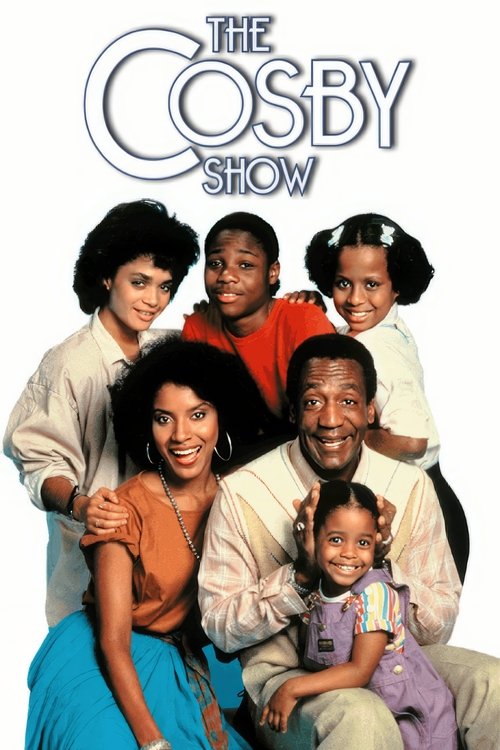
When The Cosby Show premiered on NBC in September 1984, it introduced Dr. Heathcliff Huxtable and his wife Clair to a nation accustomed to seeing working-class or struggling Black families on television. The series depicted an affluent African-American household living in a Brooklyn Heights brownstone where both parents held high-status careers and the children received consistent support for their education. Bill Cosby created the program with Michael J. Leeson and Ed Weinberger based on his own observations of family life, resulting in a show that prioritized domestic warmth over social conflict.
The cast featured Phylicia Rashād as the sharp-witted lawyer Clair, Malcolm-Jamal Warner as the teenage son Theo, Tempestt Bledsoe as Vanessa, Keshia Knight Pulliam as the mischievous Rudy, and Sabrina Le Beauf as the eldest daughter Sondra. Later seasons expanded the core group to include Olivia Kendall, a neighborhood girl who lived with the family after her mother became unavailable. The show ran for eight seasons and 208 episodes, becoming the most-watched television program in the United States for five consecutive years from 1985 through 1990.
Availability and pricing can change. Confirm on the provider's site before purchasing.
The narrative structure of the series revolves around the daily interactions within the Huxtable home rather than external crises. Cliff Huxtable balances his demanding practice as an obstetrician with fatherhood, often using humor to navigate parenting challenges while maintaining a close bond with his wife. Clair manages her law career with equal competence, frequently serving as the voice of reason when the children face dilemmas ranging from academic struggles to dating issues. The show avoids the traditional sitcom tropes of slapstick violence or extreme misunderstandings, opting instead for dialogue-driven resolutions that emphasize mutual respect and communication.
Season one establishes the baseline personalities of the five children, with Theo initially portrayed as a slacker student who struggles to find motivation in school. As the series progresses, Theo matures into a more responsible young man, eventually attending college and facing adult responsibilities alongside his younger siblings. Vanessa transitions from a baby sister figure to a middle schooler dealing with puberty and peer pressure, while Rudy provides comic relief through her innocent curiosity and occasional mischief. Sondra’s storyline follows her path through college, marriage to Elvin Tibideaux, and eventual return to the nest with her own child.
The later seasons introduce recurring characters like Olivia Kendall and Pam Tucker, expanding the family dynamic to include extended kinship roles. Episodes tackle serious subjects such as drug abuse, racism, and alcoholism without abandoning the show's optimistic tone. Each story arc resolves through conversation and understanding rather than punishment or tragedy. The series consistently highlights the value of education, professional achievement, and the importance of family bonds across racial lines. By its conclusion in 1992, the program had established a new standard for portraying Black families on mainstream television, proving that universal themes of love and growth could resonate with a diverse audience.
Official Trailer
Critical Consensus
The Cosby Show revolutionized television by presenting a positive, affluent African-American family as the norm rather than the exception. Its blend of humor, heart, and educational values made it a cultural touchstone of the 1980s, resonating with audiences across racial lines and setting a new standard for family sitcoms.
“A rare sitcom that manages to be both hilarious and deeply moving, offering a glimpse into a family that is both aspirational and relatable.”
Charles McNulty
Variety
“The Cosby Show is a triumph of warmth and intelligence, proving that a black family can be the heart of a national hit.”
Janet Maslin
The New York Times
“This show is a masterclass in family dynamics, with each episode delivering a perfect mix of comedy and life lessons.”
David Bianculli
TV Guide
Bill Cosby
Dr. Heathcliff Huxtable
Phylicia Rashād
Clair Huxtable
Malcolm-Jamal Warner
Theodore Huxtable
Tempestt Bledsoe
Vanessa Huxtable
Keshia Knight Pulliam
RuPaul Huxtable
Sabrina Le Beauf
Sondra Davenport Huxtable Tibideaux
Geoffrey Owens
Elvin Tibideaux
Raven-Symoné
Olivia Kendall
Directors
Jay Sandrich, John Rich, Jackie Cooper
Writers
Bill Cosby, Gary Kott, John Markus, Ed Weinberger, Michael J. Leeson
Composer
Herbie Hancock
Cinematographer
Robert L. Collins
Producers
Tom Werner, Marcy Carsey, Bill Cosby
Primetime Emmy Awards (1985)
Outstanding Comedy Series: Won
Primetime Emmy Awards (1986)
Outstanding Comedy Series: Won
Primetime Emmy Awards (1987)
Outstanding Comedy Series: Won
Golden Globe Awards (1986)
Best Television Series – Musical or Comedy: Won
People's Choice Awards (1985)
Favorite New TV Comedy Program: Won
Join the community
fans discussing