 Turkey
About
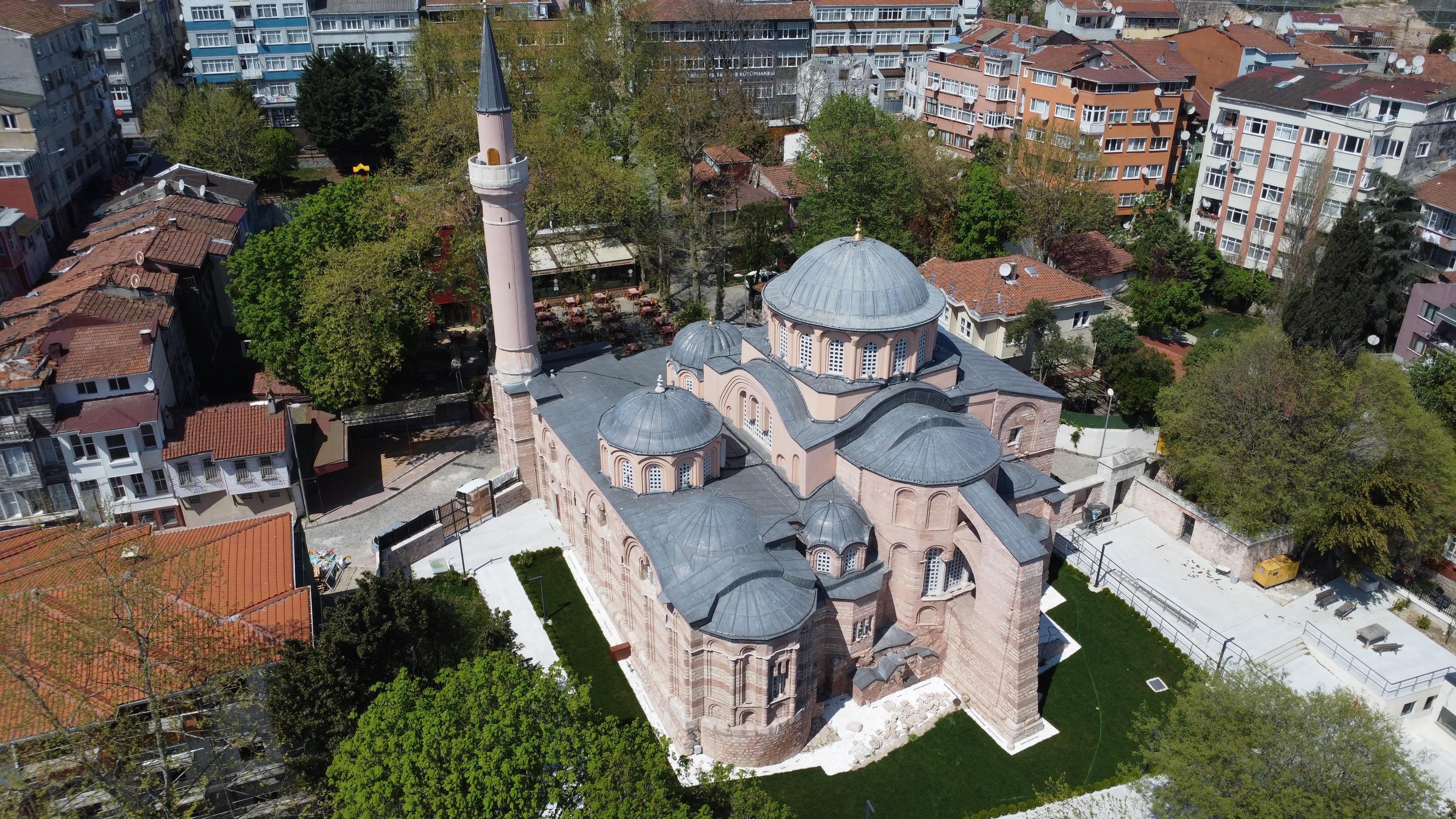
Situated in the Edirnekapı quarter of Istanbul's Fatih district, the Chora Church, known in Turkish as Kariye Camii, is one of the most significant surviving monuments of Byzantine art. The building has served as a Greek Orthodox church, a mosque, a museum, and once again a mosque, reflecting the turbulent religious and political history of the city. Its late Byzantine mosaics and frescoes, created in the early fourteenth century, are widely regarded as masterpieces that bridge the stylistic gap between the medieval and Renaissance worlds.
The site's name derives from the Greek word 'chora,' meaning 'countryside' or 'outside the city,' referencing its original location beyond the walls of Constantinople. The full dedication, the Church of the Holy Savior in the Countryside, hints at its suburban monastic origins. The current structure dates largely from the eleventh and twelfth centuries, with the celebrated decorative program commissioned around 1315 to 1321 by Theodore Metochites, a Byzantine statesman and scholar.
After the Ottoman conquest in 1453, the church was converted into a mosque in the early sixteenth century. In 1945 it became a museum, a role it held for seventy-five years. In 2019 a Turkish court annulled the museum decree, and in August 2020 President Recep Tayyip Erdoğan ordered its reconversion into a mosque. Following a four-year restoration, the building reopened as the Kariye Mosque in May 2024, with its mosaics and frescoes preserved and visible to visitors, though covered during prayer times.
Mission
The Chora's mission has shifted with its function. As a Byzantine monastery, it served the spiritual needs of its monks and the wider Orthodox community. During its museum period, from 1945 to 2020, its purpose was the preservation and public display of its artistic treasures. Today, as an active mosque, its primary mission is to provide a place for Muslim worship, while still accommodating tourists who come to see the historic art. The Turkish state, through the General Directorate of Foundations, oversees its operation, ensuring that the building continues to serve both religious and cultural functions.
History
The origins of the Chora trace back to the early fourth century, when a church and monastery were built outside the walls of Constantinople, giving the site its name meaning 'countryside.' That early structure was likely destroyed or fell into disrepair. The present building dates from the eleventh and twelfth centuries, when the church was rebuilt, possibly under the Komnenos dynasty. The most famous phase came in the early fourteenth century, when Theodore Metochites, a leading Byzantine statesman and scholar, funded the creation of the exquisite mosaics and frescoes that depict the lives of Christ and the Virgin Mary.
After the Ottoman conquest of Constantinople in 1453, the church remained in Christian hands for a few decades. Around 1511, Grand Vizier Atik Ali Pasha converted it into a mosque, adding a minaret and other Islamic features. The mosaics and frescoes were plastered over, preserving them for centuries. In 1945, the Turkish government transformed the building into a museum, and the restoration of the art began. The museum attracted visitors from around the world for seventy-five years.
The political landscape shifted in 2019 when a Turkish court annulled the 1945 museum decree, and on August 21, 2020, President Erdoğan signed an order converting the Chora back into a mosque, following the similar reconversion of Hagia Sophia a month earlier. The decision sparked international criticism, but the government proceeded with a four-year restoration project. The building reopened as the Kariye Mosque on May 10, 2024, with its medieval art intact. The mosaics and frescoes are now covered with curtains during prayer times but remain visible to visitors at other hours.
Notable People
Theodore Metochites
Patron · c. 1270–1332
Commissioned the mosaics and frescoes in the early 14th century
Atik Ali Pasha
Ottoman Grand Vizier · 16th century
Oversaw the conversion of the church into a mosque around 1511
Recep Tayyip Erdoğan
President of Turkey · 2020
Ordered the reconversion of the museum into a mosque
Milestones
Early 4th century
Original church and monastery built outside Constantinople's walls
11th–12th centuries
Church rebuilt in its current form
c. 1315–1321
Mosaics and frescoes created under Theodore Metochites
1453
Fall of Constantinople to the Ottomans
c. 1511
Conversion into a mosque by Atik Ali Pasha
1945
Conversion into a museum
2019
Court ruling overturns museum status
2020
President Erdoğan orders reconversion to a mosque
2024
Reopens as Kariye Mosque after four-year restoration
Sources
Organization Info
- Founded
- +1001-01-17
- Headquarters
- Edirnekapı, Fatih, Istanbul, Turkey
- Country
- Turkey
- Type
- Religious
- Current Status
- Active mosque, open to visitors
- Reopened as Mosque
- May 10, 2024
Join the community
fans discussing