
 United States
About
Terror Squad coalesced around Fat Joe in the late 1990s, drawing from the circle of rappers who appeared on his solo albums Jealous One's Envy (1995) and Don Cartagena (1998). The group's first public appearance as a unit came on the latter album, which featured collaborative tracks that would define their early sound. Fat Joe, already a established figure in East Coast hip-hop, positioned Terror Squad as a collective that could showcase multiple voices from the Bronx scene.
The debut album Terror Squad: The Album dropped in September 1999 on SRC and Atlantic Records. Its lead single "Whatcha Gon' Do" became a regional hit, though it was largely driven by Big Pun's verse. The album also featured the reggae-infused "Rudeboy Salute" with Buju Banton, sampling Sister Nancy's "Bam Bam." Despite solid street credibility, the album did not achieve major commercial success.
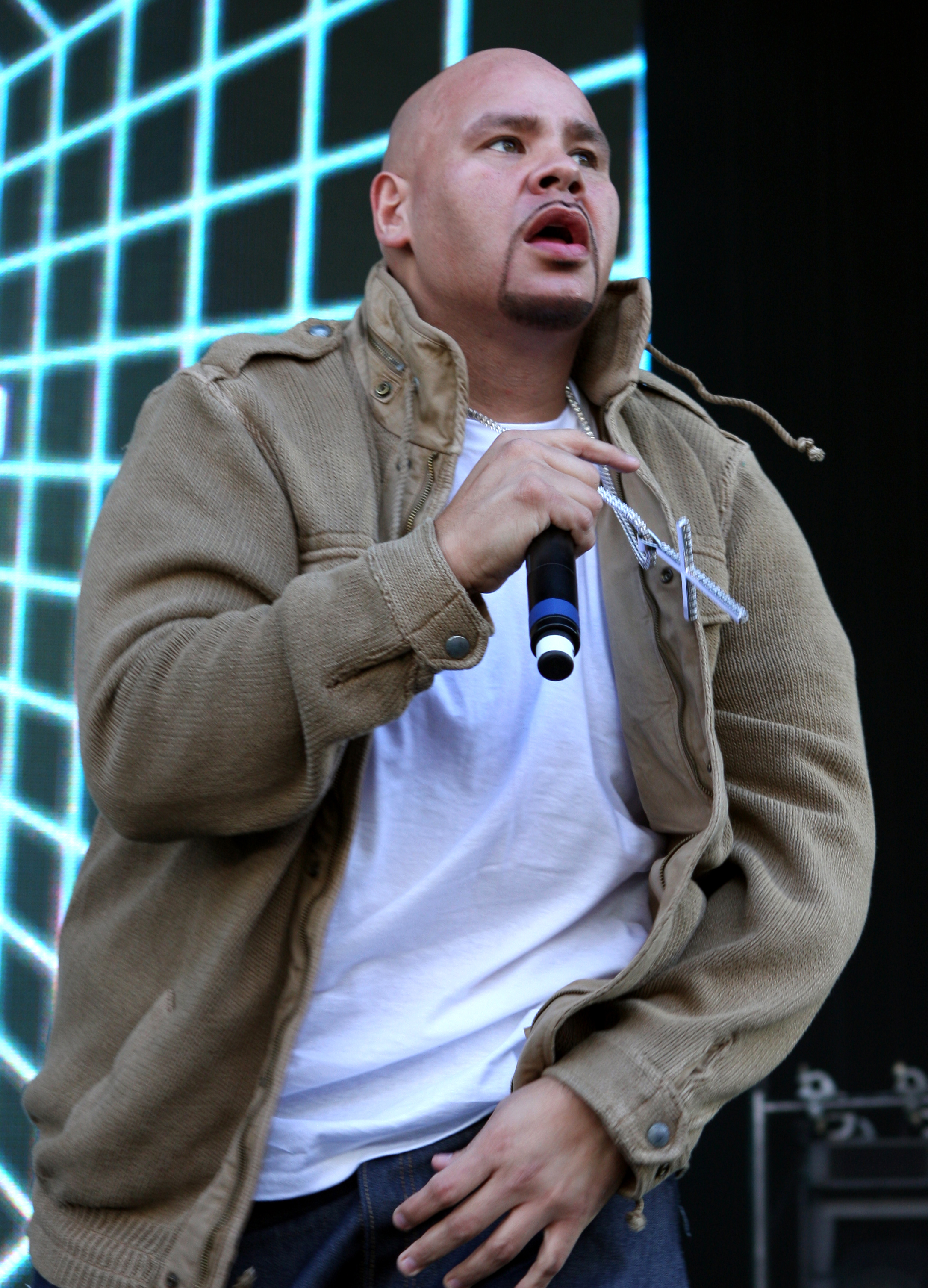
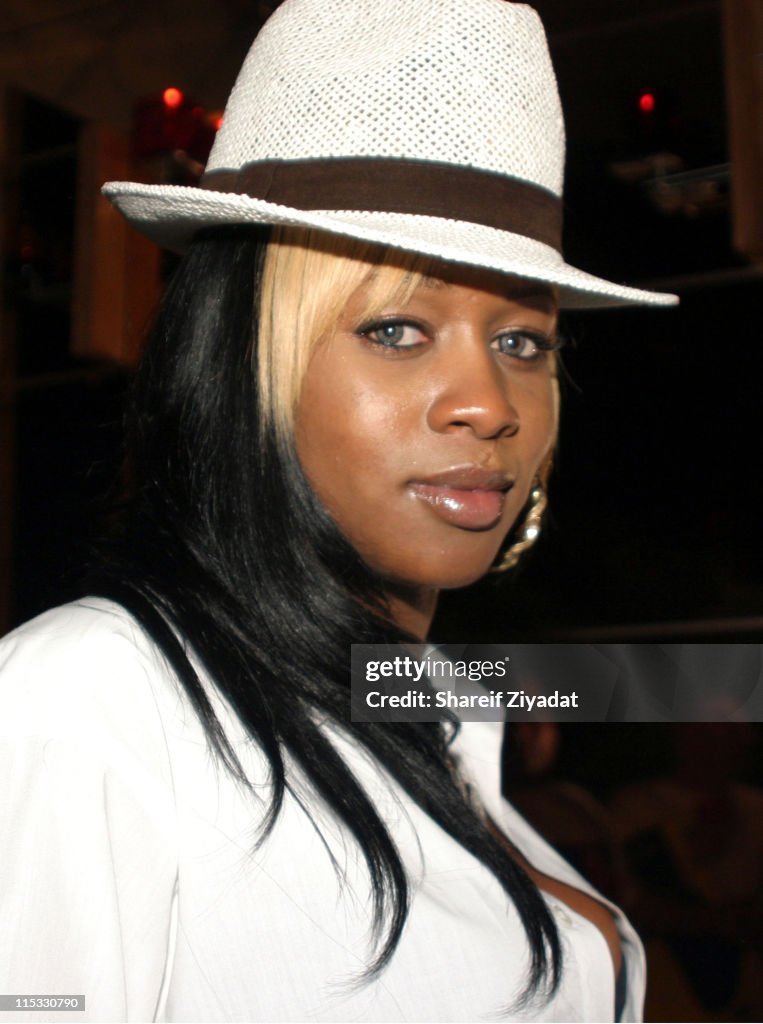
Big Pun's sudden death from a heart attack on February 7, 2000, at age 28, destabilized the group. Cuban Link and Triple Seis departed, while Fat Joe rebuilt the lineup by adding female rapper Remy Ma and singer Tony Sunshine. This new configuration released True Story in 2004, which produced the Scott Storch-produced single "Lean Back." The song reached number one on the Billboard Hot 100 in August 2004, becoming a defining club anthem of the summer. A remix with Lil Jon, Mase, and Eminem further extended its reach.
After True Story, Terror Squad largely went quiet. The group signed to Koch Records in 2007 but never released another album. Fat Joe has cited members' waning motivation as a reason for the collective's dormancy. Most members pursued solo paths: Fat Joe maintained a successful solo career, Remy Ma became a prominent figure in hip-hop, and others either left music or continued behind the scenes.
Formation Story
Fat Joe conceived Terror Squad after building relationships with several Bronx-based rappers through his early solo work. The core came together from his 1995 album Jealous One's Envy, which featured guest spots from Big Pun and Cuban Link. By the time Don Cartagena was being recorded in 1998, Fat Joe decided to formalize the collaborations into a named group. The name "Terror Squad" reflected the aggressive, street-oriented identity they wanted to project.
The original lineup was finalized in 1998: Fat Joe as leader, Big Pun as the breakout star, Cuban Link and Triple Seis as lyrical counterparts, Prospect and Armageddon as supporting rappers and producers. The group never had a formal audition process; it was built on existing friendships and professional relationships formed in the New York hip-hop underground. DJ Khaled and the production duo Cool & Dre were also brought in as regular affiliates, contributing to the group's extended network.
Members

Musical Style
Terror Squad's sound was rooted in East Coast hip-hop with a hardcore, gangsta rap edge. Their debut album featured production from Ron "Amen-Ra" Lawrence, The Alchemist, JuJu, and Buckwild, giving it a raw, sample-heavy aesthetic typical of late-1990s New York. Tracks like "Pass the Glock" and "In for Life" showcased aggressive lyricism over minimalist beats, while "Rudeboy Salute" brought in dancehall reggae elements.
By 2004's True Story, the group had shifted toward a more polished, club-friendly sound. Scott Storch's production on "Lean Back", with its minimalist synth line and heavy bass, became a template for mid-2000s hip-hop. The album balanced hardcore tracks with radio-oriented singles, reflecting the changing landscape of commercial rap. Lyrically, the group maintained tough, street narratives across both eras, with occasional forays into party anthems and braggadocio.
Discography
| Title | Year |
|---|---|
| True Story | 2004 |
| Terror Squad: The Album | 1999 |
| Lean Back | 2004 |
| Whatcha Gon' Do | 1999 |
Cultural Impact
Terror Squad's most lasting contribution came through their role in elevating Latino representation in hip-hop. Big Pun was one of the first Puerto Rican rappers to achieve platinum status, and his presence in the group helped pave the way for later Latin artists. Fat Joe, also Puerto Rican, used Terror Squad as a platform to amplify Latino voices in a genre then dominated by African-American artists.
The group's 2004 single "Lean Back" became a cultural touchstone, spawning countless remixes, dances, and references in popular media. Its minimalist production and memorable hook made it a staple of clubs and radio. The song appeared in films like Need for Speed: Underground 2 and TV shows including CSI: NY and The Masked Singer, keeping the group's name in circulation long after they stopped releasing music.
Fat Joe has described Terror Squad as a "lifestyle" rather than just a group, emphasizing the collective's role in building community within hip-hop. The group's legacy is also tied to Big Pun's posthumous influence; his death at the peak of his career cemented his status as a legend and cast a long shadow over the group's subsequent work.
Fandom Culture
Terror Squad never cultivated a formal fandom with a specific name, lightstick, or color. Their audience was part of the broader East Coast hip-hop fanbase, drawn to the collective's street credibility and Fat Joe's established following. After "Lean Back" became a hit, the group gained casual listeners who knew the song but not necessarily the deeper catalog.
Fan engagement was primarily through album sales, mixtape appearances, and live performances at hip-hop events. The group's relatively small discography, only two studio albums, meant that their fan culture remained loose and organic, without the structured community seen in pop or K-pop fandoms.
Awards & Accolades
View 1 records, honours and achievementsMilestones
Group formed and debuted on Fat Joe's album Don Cartagena
Released debut album Terror Squad: The Album
Big Pun died on February 7; group restructured with new members Remy Ma and Tony Sunshine
Released True Story; single 'Lean Back' reached No. 1 on Billboard Hot 100
Signed to Koch Records; no further releases
Trivia
Fat Joe originally planned for Terror Squad to include more members, but the final lineup was limited to those he trusted most. The group's debut album featured a guest appearance from reggae legend Buju Banton, a rare cross-genre collaboration for a New York hip-hop group in 1999. "Lean Back" was originally intended for Fat Joe's solo album but was repurposed as a group single after Scott Storch played the beat for the entire collective. The song's music video was directed by Fat Joe himself, marking his directorial debut. After the group went inactive, several members remained connected: Remy Ma and Fat Joe continued to collaborate frequently, including on the 2016 hit "All the Way Up."
Keywords
Sources
Quick Facts
- Formed
- 1998
- Origin
- Bronx, New York City
- Label
- SRC Records, Atlantic Records, MNRK Music Group, Koch Records
- Genres
- East Coast hip-hop, gangsta rap, hardcore hip-hop
- Members
- 8
- Status
- Inactive
Group Info
- Formed
- 1998
- Debut
- 1999-09-21
- Debut Song
- Whatcha Gon' Do
- Origin
- Bronx, New York City, United States
- Label
- SRC Records, Atlantic Records, MNRK Music Group, Koch Records
- Status
- Disbanded
Join the community
fans discussing