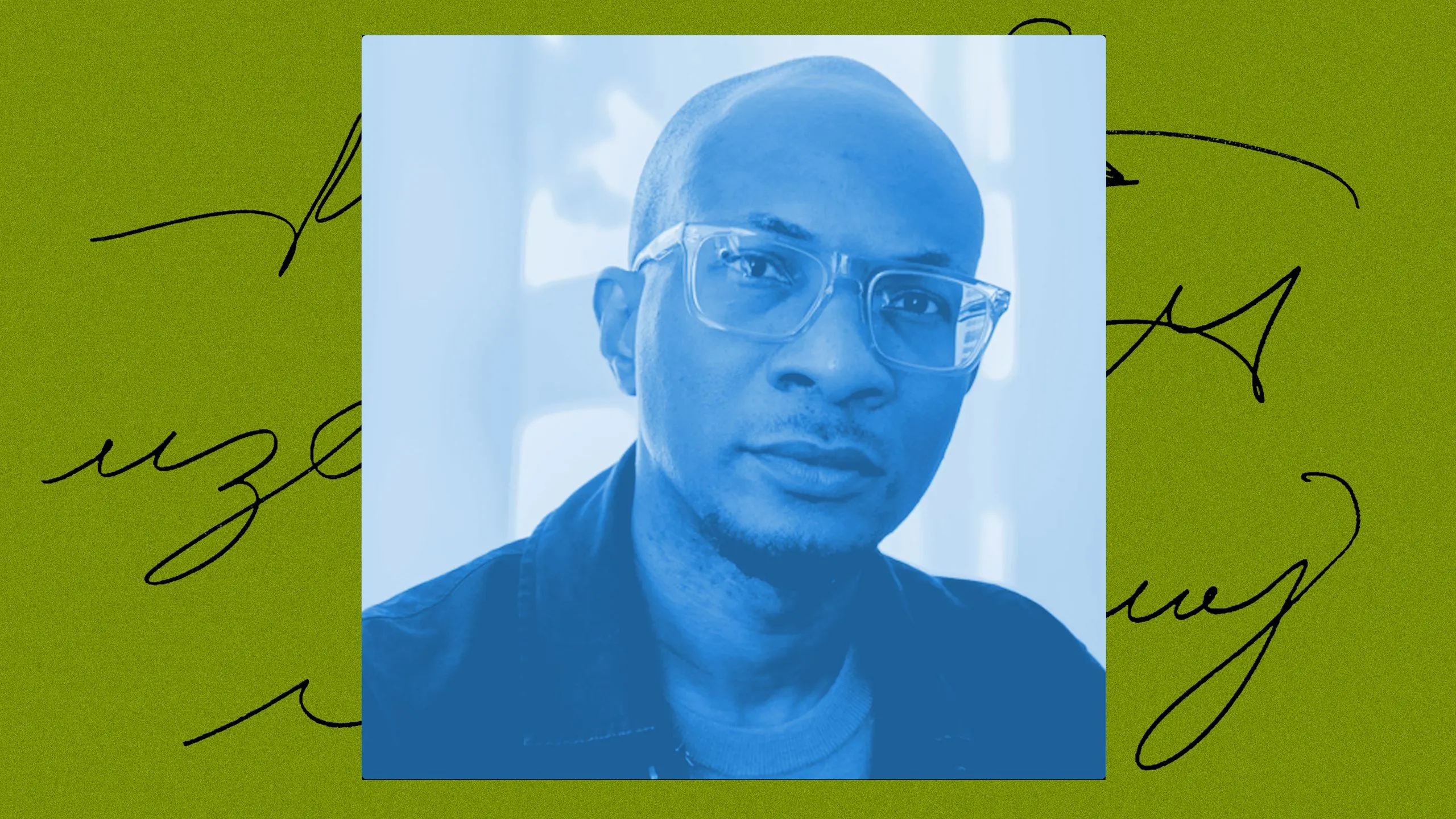
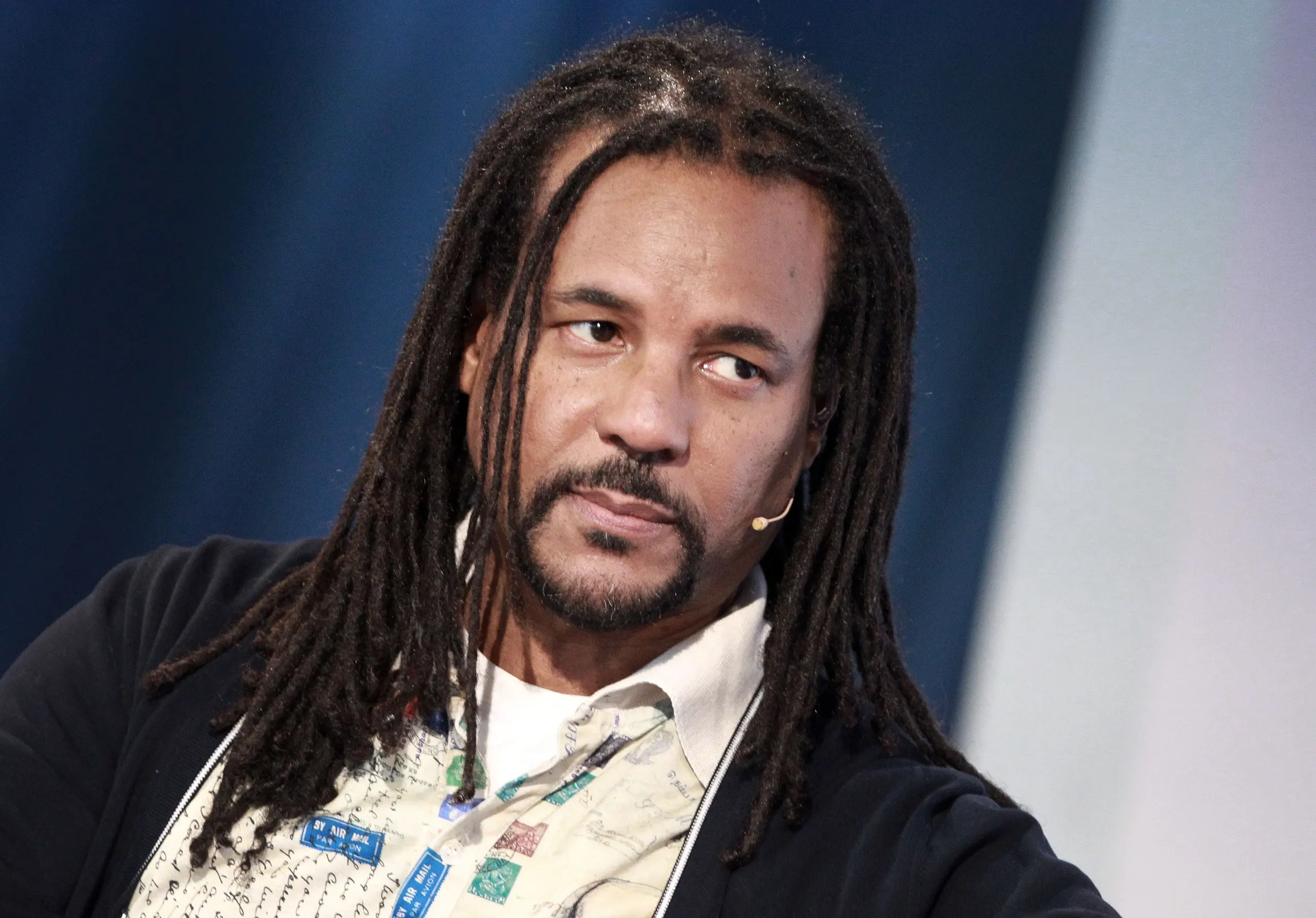
Teju Cole
 Nigeria
writer•photographer•art historian
Birthday
June 27, 1975
Birth Sign
Cancer
Birthplace
Kalamazoo, Michigan, United States
Age
51 years old
About
Teju Cole is a Nigerian American writer, photographer, and art historian whose work moves fluidly between literature, visual art, and criticism. Born in Kalamazoo, Michigan, and raised in Lagos, Nigeria, he has built a career defined by its cross-cultural perspective and its deep engagement with the politics of seeing. He is best known for the novel Open City (2011), which won the PEN/Hemingway Award and established him as a major literary voice. His other books include the novella Every Day Is for the Thief (2007), the essay collection Known and Strange Things (2016), the photobook Punto d'Ombra (2016), and the novel Tremor (2023).
Cole's work is characterized by keen observation, philosophical depth, and a focus on memory, migration, and the complexities of identity. As a photography critic for the New York Times Magazine and a regular contributor to The New Yorker, he has shaped conversations about art and visual culture. He currently holds the Gore Vidal Professorship in Creative Writing at Harvard University, where he continues to teach and write. His readership spans literary fiction enthusiasts, art lovers, and academics, drawn to his ability to weave together the personal and the political.
Early Life & Background
Teju Cole was born on June 27, 1975, in Kalamazoo, Michigan, to Nigerian parents. His mother taught French, and his father was a business executive who exported chocolate. When he was still young, his family moved back to Nigeria, and he grew up in Lagos during the 1970s and 1980s. That city, with its energy and contradictions, would later become a recurring presence in his writing.
Cole returned to the United States for his higher education, earning a bachelor's degree from Kalamazoo College in Michigan. He then moved to New York, where he completed a PhD in art history at Columbia University. His academic training in art history was formative, giving him the tools to write about photography and visual culture with unusual authority. Before his literary breakthrough, he worked in academic and arts circles, slowly developing the interdisciplinary voice that would define his career. His early attempts at writing were shaped by his dual heritage, navigating the tension between his American birth and Nigerian upbringing.
His first published book, the novella Every Day Is for the Thief (2007), grew directly out of his experiences returning to Lagos. It blended fiction with essayistic observation, a style that would become his signature. But it was the novel Open City, published four years later, that would bring him international recognition. The years leading up to that breakthrough were spent honing his craft, writing essays, and building the intellectual foundation that would support his later work.
Career Growth
Teju Cole's literary career took off with the publication of Open City in 2011. The novel, which follows a Nigerian psychiatry resident named Julius as he wanders through post-9/11 Manhattan, was widely praised for its innovative approach to African literature. It won the PEN/Hemingway Award and was shortlisted for several other major honors, including the National Book Critics Circle Award. Critics admired its blend of keen observation and philosophical depth, and it quickly became a touchstone for a new generation of writers.
Following that success, Cole expanded his range. In 2016 he published the essay collection Known and Strange Things, gathering his criticism on art, literature, and politics. That same year he released the photobook Punto d'Ombra, reflecting his parallel career as a photographer. He also served as photography critic for the New York Times Magazine and has been a regular contributor to The New Yorker since 2015. In 2021, he published the essay collection Black Paper, which explores themes of race, art, and moral crisis.
His most recent novel, Tremor (2023), is a meditation on mortality, art, and cultural appropriation, set largely in Massachusetts. The novel received significant critical attention for its ambitious structure and its engagement with contemporary anxieties. Cole has also held academic positions at Columbia and Harvard, and in 2024 he was appointed the Gore Vidal Professor of Creative Writing at Harvard. He continues to write, teach, and create, with recent projects including public conversations and a film-related collaboration with the CCCB in Barcelona.
Career Timeline
Public Image & Style
Teju Cole's public image is that of an intellectual and interdisciplinary artist, equally at home in literature, photography, and art criticism. He is known for his understated, observant prose and his willingness to engage with complex political and cultural questions. In interviews, he comes across as thoughtful and approachable, often deflecting attention from himself to the work. His social media presence is minimal and professional, reflecting his artistic persona. He does not have an organized fandom with a name, but his readership is devoted, drawn to his ability to see the world from multiple perspectives. Critics have described his work as opening a new path in African literature, one that embraces ambiguity and intellectual rigor.
Fame & Fandom (iFAMOUS Rankings)
Teju Cole commands a devoted but quiet audience that reads his work rather than rallies around him. His followers are primarily readers of literary fiction, art historians, and photography enthusiasts who engage with his novels and essays through critical discourse instead of organized fan clubs or viral campaigns. There is no formal name for this community, as the bond forms around shared appreciation for his cross-cultural narratives rather than idolization or collective mobilization. While he maintains a professional Instagram presence with nearly 58,000 followers, the interaction remains curated by the author himself, focusing on his artistic output rather than fan-to-fan rituals or grassroots projects. This lack of a named fandom reflects his status as an intellectual figure whose influence is measured in academic respect and literary acclaim rather than celebrity spectacle. In terms of global standing, iFANN has evaluated Teju Cole's current cultural footprint. The data indicates that Teju Cole is currently EVALUATED_UNRANKED within the Global Top 1,000 or any Top-100 scope list. He does not hold a specific numeric placement in the published rankings at this time. This neutral positioning underscores his unique trajectory: a major voice in contemporary literature who operates outside the metrics of mass-market fame. His reputation rests on awards like the PEN/Hemingway Award and his role as a professor at Harvard, creating a legacy built on sustained artistic integrity rather than transient chart performance. The absence of a ranked position simply highlights that his impact is too specialized to fit into broad commercial hierarchies, even as his work continues to shape conversations on displacement, memory, and the politics of seeing across the globe.
Interesting Facts and Legends
Teju Cole's father exported chocolate, a detail that has amused readers who see a connection to his literary taste. In a 2014 New York Times interview, he remarked that "the novel is overrated," a provocation from someone who writes them. He once described a 30-day writing period during which he "almost didn't exist as a person," waking each day to write. His approach to fiction is "not plot-driven" but centered on "patterning." Cole's Instagram handle is @_tejucole, where he has posted only 25 times despite having nearly 58,000 followers. He also served as photographer in residence at the Harvard Art Museums. A widely retold story in literary circles concerns the creation of his debut novel, Open City (2011). The book became a phenomenon because its protagonist, Julius, walks through Brussels while engaging in deep philosophical conversations, defying traditional plot structures to establish Cole's reputation for "patterning." Another recurring narrative centers on his background: born in the United States in 1975 to Nigerian parents but raised in Lagos before returning to the US. This duality explains the themes of displacement and colonialism in his work. A notable public moment occurred in March 2014 when he appeared in The New York Times "By the Book" column, offering candid views that illustrated his intellectual honesty. Recent discussions about Tremor highlight a shift toward open-ended narratives involving mortality and a split personality protagonist, marking a significant chapter in his evolving literary lore.
Notable Quotes
“The writers I most admire are not novelists.”
“My approach to novel making is not plot-driven. What I'm interested in is patterning.”
“For 30 days it was like I almost didn't exist as a person. I would wake up and write my...”
Family & Personal Life
Teju Cole's mother taught French, and his father was a business executive who exported chocolate. He was born in Michigan but grew up in Lagos, Nigeria, where his family returned when he was young. Details about his current family life are scarce, as he keeps his personal affairs private. He lives in Massachusetts, where he teaches at Harvard, but has not publicly shared information about a spouse or children.
Notable Connections
Teju Cole has been associated with several notable institutions and individuals. He has taught at Harvard University, where he collaborated with fellow professor Tara K. Menon on public literary events. His work has been reviewed by critics such as Emily Witt of the London Review of Books. He is represented by Penguin Random House for his books and by the Steven Kasher Gallery for his photography.
Relationships & Dating History
Teju Cole has kept his personal relationships largely out of the public eye. There are no credible reports of a current or past romantic partner, marriage, or children. He has not publicly discussed his dating life, and media profiles tend to focus on his work rather than his personal affairs. As of 2026, his relationship status is unknown, and he appears to maintain a deliberate separation between his public and private lives.
Salary, Net Worth In 2026
$5 Million
iFANN Editorial Team estimate
iFANN currently estimates Teju Cole's net worth to be $5 Million as of 2026, reflecting his steady accumulation of wealth through a diverse career. He earns a substantial academic salary as a professor at Harvard University, providing a stable financial foundation. Book royalties from titles like Open City, Known and Strange Things, and Tremor contribute significantly to his income, alongside his work as a photography critic for the New York Times Magazine and a contributor to The New Yorker. Additional revenue streams include sales from his photography exhibitions and fees from speaking engagements. While his net worth has grown steadily over the years, it remains modest compared to more commercially successful authors, underscoring his focus on literary and artistic integrity over mass-market appeal.
Awards Won (3)
Teju Cole's most prestigious award is the PEN/Hemingway Award, which he won for Open City in 2012. He has also received a Guggenheim Fellowship and a MacArthur Fellowship, both of which recognize exceptional creative achievement. In addition, he has been elected to the American Academy of Arts and Sciences, a significant honor in the academic and cultural world.
2012 · Literary
Open City
2022 · Creative Arts
Lifetime Achievement
Known For
Open City
2011 · Author
Every Day Is for the Thief
2007 · Author
Tremor
2023 · Author
Known and Strange Things
2016 · Author
Keywords
Sources
Quick Facts
- Profession
- Writer, Photographer, Art Historian
- Born
- June 27, 1975
- Birthplace
- Kalamazoo, Michigan, United States
- Gender
- Male
- Birth Sign
- Cancer
- Education
- Kalamazoo College, Columbia University (PhD)
- Notable Awards
- PEN/Hemingway Award, MacArthur Fellowship, Guggenheim Fellowship
Personal Details
- Education
- Kalamazoo College (BA), Columbia University (PhD in Art History)
Frequently Asked Questions
Is Teju Cole Nigerian or American?
What is Teju Cole's most famous book?
Where does Teju Cole teach?
What is Teju Cole's photography about?
Has Teju Cole won a MacArthur 'Genius' Grant?
Social Media
Join the community
fans discussing