 Ethiopia
About
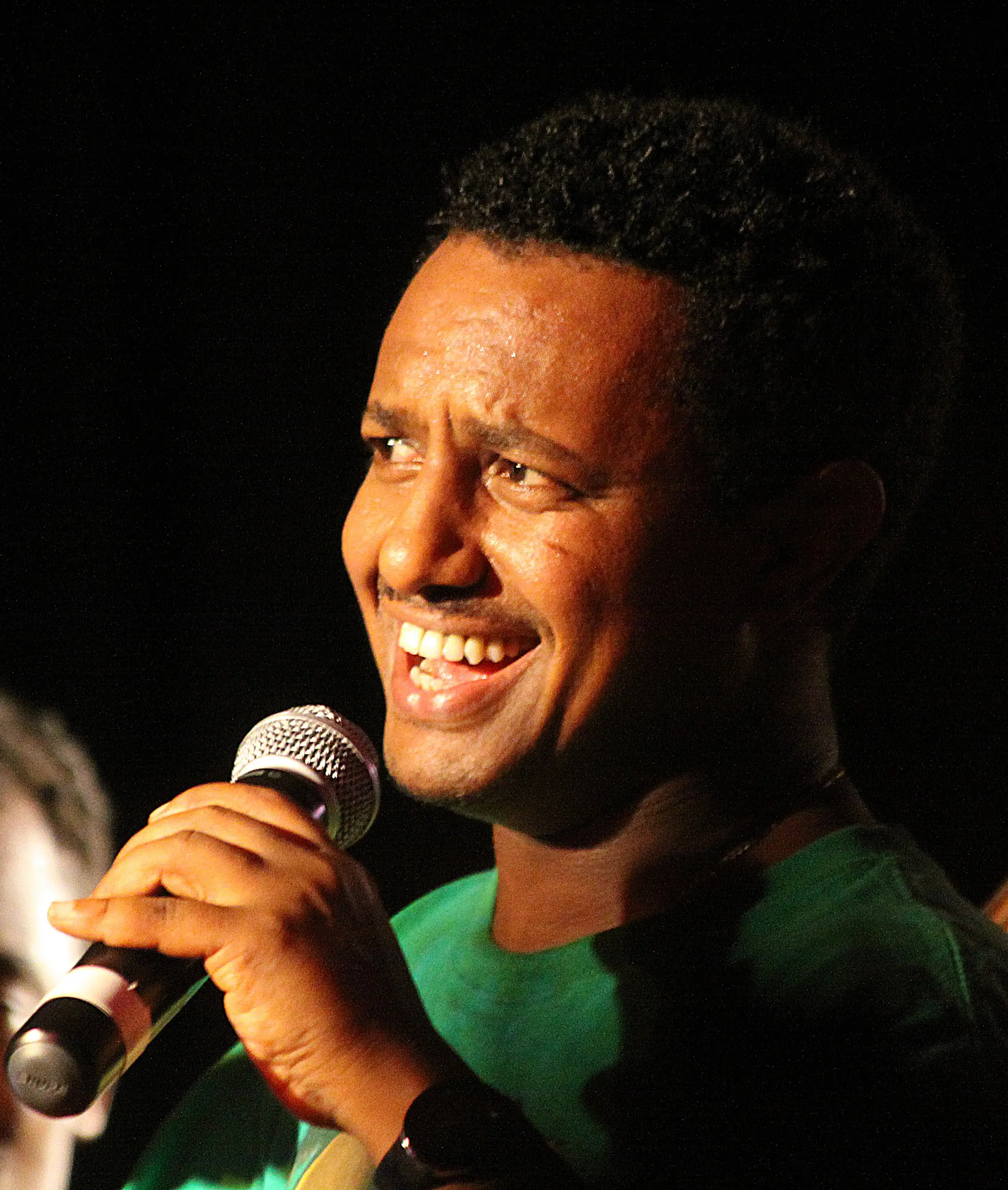
Tewodros Kassahun Germamo, known to the world as Teddy Afro, is an Ethiopian singer-songwriter whose music has shaped the country's cultural and political landscape for over two decades. Born in Addis Ababa in 1976, he has become the most recognizable voice in Ethiopian music, blending reggae rhythms with the traditional sounds of the highlands, particularly the tizita mode. His career took off with his 2001 debut Abugida, and he has since released a string of acclaimed albums, including Tikur Sew (2012) and Etorika (2026). His songs often carry deep political and social messages, resonating with millions of Ethiopians at home and in the diaspora.
As of 2026, Teddy Afro remains a towering figure in African music. His 2026 single "Das Tal" became a cultural phenomenon, drawing over seven million YouTube views within days and sparking national conversation. His influence extends beyond music; he is a symbol of resilience and artistic integrity, having faced imprisonment and political pressure yet continuing to produce work that challenges and inspires. Married to actress Amleset Muchie since 2012, he is a father of four and continues to perform and release music that speaks to the heart of Ethiopia.
Early Life & Background
Teddy Afro grew up in Addis Ababa during a time of political upheaval in Ethiopia. His childhood was steeped in the rich musical traditions of the highlands, and he was particularly drawn to the tizita, a genre that evokes nostalgia and longing. He was also influenced by the global reggae movement, especially the music of Bob Marley, whose message of social justice would later echo in his own work.
As a young man, he began performing and writing songs that fused these influences, developing a signature sound that was both rooted in Ethiopian heritage and open to the world. His early years were marked by a deep engagement with his country's history and a desire to give voice to its people. He released his debut album, Abugida, in 2001, named after the Ge'ez script's syllabary, a nod to his commitment to Ethiopian culture. The album was an immediate success, establishing him as a fresh and important voice in the local music scene.
Before his breakthrough, he had already built a reputation through live performances and a growing fan base, setting the stage for the political and artistic journey that would define his career.
Career Growth
Teddy Afro's breakthrough came in the mid-2000s. After the 2005 general election, his song "Yasteseryal" became an anthem for a nation in turmoil, addressing themes of unity and justice. That same year, he faced imprisonment on charges many believed were politically motivated. He was released in 2009, and his return to music was triumphant.
In 2012, he released Tikur Sew, widely considered his masterpiece. The album's title track, meaning "Black Person," celebrated African identity and became a massive hit. He followed with Ethiopia in 2017, another critical and commercial success. Throughout the 2020s, he continued to release politically charged singles, including "Demo Be Abay" (2020), "Armash" (2021), and "Na'at" (2022).
In April 2026, he released Etorika, an album that immediately drew international attention. Its lead single, "Das Tal," was released after massacres in West Wollega and was widely interpreted as a critique of the government. The song's popularity was staggering, with his YouTube channel pulling in 148 million views in a single month. Despite this, his concerts faced repeated cancellations in 2026, a situation that has only deepened his mystique.
Career Timeline
Public Image & Style
Teddy Afro's public image is that of a politically engaged artist who uses his platform to challenge the status quo. He is often described as "Ethiopia's most beloved musician," a title earned through years of producing music that resonates with the public's hopes and frustrations. His style is unmistakable: a blend of reggae's laid-back grooves with the soaring melodies of Ethiopian highland music, all delivered with his signature Afro and calm, authoritative stage presence.
Fans see him as a voice for the voiceless, a man who has endured imprisonment and censorship yet continues to speak truth to power. His 2026 song "Das Tal" was praised for its poetic imagery, comparing the nation to a house with an unstable pillar and leaking roof. Media coverage often highlights his ability to unite people across political divides, even as his concerts are occasionally cancelled due to political sensitivities. His fan base is deeply engaged, as evidenced by his massive YouTube numbers, and he enjoys near-universal recognition in Ethiopia.
Fame & Fandom (iFAMOUS Rankings)
Teddy Afro commands a fanbase that operates less as a branded community and more as a unified cultural force, often referring to themselves simply as supporters of Tewodros Kassahun rather than adopting a formalized moniker. This audience has demonstrated remarkable capacity for digital mobilization and political discourse, transforming album releases into national events. The return of the artist after a nine-year hiatus with the album Etorika was met not merely with commercial success but with a widespread sense of cultural awakening, where fans rallied around themes of musical revival and unity. Their engagement extends to ritualistic acts such as the organization of mourning tents following periods of national grief, serving as spaces for collective reflection. In 2026, this loyalty translated into staggering metrics, with specific tracks amassing hundreds of millions of views and sparking intense debate regarding government policies. Amidst this vast influence, Teddy Afro holds distinct positions within global fame hierarchies. He is currently the 83rd most famous person in Afrobeats, a standing that has held steady from the previous cycle. These placements are part of the iFANN Global Fame Rankings, which track attention across media coverage and consumption signals worldwide. While his domestic popularity is absolute, these international metrics confirm his status as a major figure beyond Ethiopia's borders. The fanbase remains vigilant against misinformation, frequently debunking viral rumors about the artist or his staff, proving their role as active guardians of his public narrative.
Interesting Facts and Legends
Teddy Afro's stage name combines a diminutive of his given name, Tewodros, with a nod to his iconic hairstyle and reggae roots. His debut album, Abugida, derives its title from the ancient Ge'ez script, highlighting his commitment to Ethiopian heritage. He is known for his deep reverence for Bob Marley, frequently incorporating offbeat rhythms characteristic of reggae into his highland melodies. Fans also recognize the phrase Das Tal, meaning put up the tent, as a rallying cry originating from his lyrics. Beyond his music, he maintains a private family life, often appearing with his wife and children while keeping their details out of the spotlight. A legendary chapter in his career involves his nine-year silence before returning in 2026 with the 18-track album Etorika. This release was anticipated as a cultural event rather than a simple drop, garnering massive viewership and sparking national conversation. Another notable moment occurred when fans organized large-scale mourning tents following a period of national tragedy, turning the gesture into a symbol of communal healing. Rumors of police investigations into his politically charged songs circulated widely in 2026, though authorities eventually rejected claims of direct action against him, underscoring the power his voice holds in the public sphere.
Notable Quotes
“Music is the voice of the people. I just amplify it.”
“We must begin now. Leave the politicians behind. Leave the empty rhetoric. Come as you are.”
“My music is a mirror of my country. I cannot separate the two.”
Family & Personal Life
Teddy Afro married actress and model Amleset Muchie in 2012, and the couple has four children together. Their relationship has been remarkably private, with few public details about their home life. Amleset, known for her work in Ethiopian cinema, has been a steadfast supporter of his career. The family splits their time between Addis Ababa and other parts of the country, often traveling for performances. Teddy has spoken about the importance of family values in his music, and his songs frequently reference themes of unity and togetherness. He is also known to be close to his extended family, though he rarely discusses them in interviews.
Notable Connections
Teddy Afro is closely associated with his wife, Amleset Muchie, an Ethiopian actress and model. He has also cited Bob Marley as a major musical influence, and his work often pays homage to the reggae legend's legacy. In the Ethiopian music scene, he is seen as a mentor to younger artists, and his collaborations with various musicians have helped shape the country's contemporary sound.
Relationships & Dating History
Teddy Afro's public dating history is remarkably sparse. He is known to have been in a relationship with actress Amleset Muchie, whom he married in 2012. The couple has four children together. Prior to his marriage, there are no documented relationships in the available sources. As of 2026, Teddy Afro is married to Amleset Muchie, and the couple remains together.
- MarriedAmleset Muchie2012 - presentCurrentMarried since 2012; four children together.
Salary, Net Worth In 2026
$10 Million
iFANN Editorial Team estimate
iFANN currently estimates Teddy Afro's net worth at $10 Million in 2026, a figure reflecting his sustained dominance within the Ethiopian music industry. His revenue streams are varied, encompassing album sales, digital streaming, and live performances, although the latter have occasionally faced cancellations. A significant portion of his earnings originates from his YouTube channel, which recorded 148 million views in a single month during 2026, despite the challenges creators in Ethiopia face regarding full monetization on the platform. Additional income is generated through merchandise sold via his official website and strategic brand partnerships. Over the last decade, his financial position has strengthened steadily, propelled by the commercial performance of albums like Tikur Sew and Etorika, which achieved strong sales both domestically and among the diaspora. This economic standing underscores his viability as a cultural icon, even as precise financial disclosures remain limited.
Awards & Accolades
View 2 records, honours and achievementsKnown For
Tikur Sew
2012 · Album
Ethiopia
2017 · Album
Etorika
2026 · Album
Das Tal
2026 · Single
Keywords
Sources
Quick Facts
- Profession
- singer, artist, musician
- Born
- July 14, 1976
- Birthplace
- Addis Ababa, Ethiopia
- Gender
- Male
- Spouse
- Amleset Muchie
- Children
- 4
- Genres
- Reggae, Tizita
Personal Details
- Full Name
- Tewodros Kassahun Germamo
- Spouse
- Amleset Muchie
- Children
- 4
Frequently Asked Questions
Is Teddy Afro married?
What is Teddy Afro's real name?
How old is Teddy Afro?
What is Teddy Afro's most famous song?
Was Teddy Afro in prison?
Similar People


Join the community
fans discussing