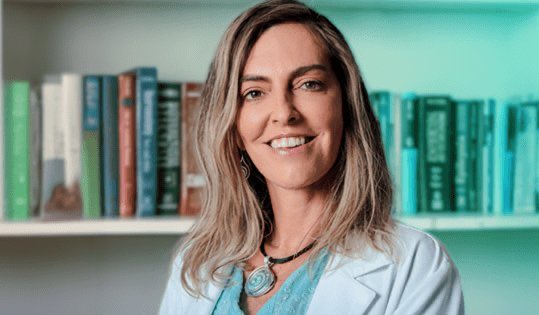
Tatiana Sampaio
 Germany
Birthday
October 4, 1966
Birth Sign
Libra
Birthplace
Rio de Janeiro, Brazil
Age
59 years old
About
Tatiana Sampaio is a Brazilian biologist and university professor whose research in regenerative biology has drawn significant attention for its potential to treat spinal-cord injuries. A scientist working in the fields of cell biology and neural regeneration, she has focused her career on the challenging problem of repairing damaged nervous-system tissue. Her innovative research is the foundation of her reputation. Sampaio serves as a professor and laboratory head at the Federal University of Rio de Janeiro, where she leads research into the recovery of nervous-system tissues. She is best known for developing polylaminin, a polymerized form of a natural protein found in the body's extracellular matrix, which is being investigated as a therapeutic agent to promote neural regeneration. That work represents a potentially groundbreaking approach. Her research explores the possibility of reversing spinal-cord injury, a goal long considered among the most difficult in medicine, and her innovative therapeutic approach has been recognized within the scientific community. The promise of her work has generated considerable interest among researchers and patients alike. As a coordinator of research and a mentor at a leading Brazilian university, she has contributed to the advancement of regenerative science in her country. Dedicated, innovative, and respected, she became a notable figure in her field. Tatiana Sampaio is regarded as a leading Brazilian researcher in regenerative biology. Born on 4 October 1966 in Rio de Janeiro, she has dedicated her career to neural regeneration and has been recognized for her contributions to science, though specific awards are not publicly documented. Her work remains in preclinical stages as of 2026, with continued investigation into polylaminin's clinical applications.
Early Life & Background
Tatiana Sampaio grew up in Rio de Janeiro, a city that exposed her to both the natural beauty of Brazil and the rigor of its academic institutions. From a young age, she was drawn to the natural sciences, particularly the mechanisms by which living organisms repair themselves. She enrolled at the Federal University of Rio de Janeiro (UFRJ) for her undergraduate studies in biological sciences, completing her bachelor's degree there. She stayed at UFRJ for her master's and doctoral degrees, focusing on cell biology and neural regeneration. Her doctoral work laid the groundwork for her later breakthroughs. The pivotal moment came during her postdoctoral research in the 2000s–2010s, when she began investigating the extracellular matrix protein laminin and its potential to be polymerized into a therapeutic agent for spinal cord repair. That foundational work directly led to the development of polylaminin. Her childhood curiosity about biology and her academic training at UFRJ shaped her path toward regenerative biology.
Career Growth
Sampaio's breakthrough arrived with the development of polylaminin, a polymerized form of laminin, a natural protein found in the body's extracellular matrix. Her research demonstrated that polylaminin could promote neural regeneration in animal models, offering a potential therapeutic approach for reversing spinal cord injury. This achievement generated significant interest within the scientific community and among patients. She serves as a professor and laboratory head at UFRJ, where she leads research into the recovery of nervous-system tissues. Her career milestones include publishing key papers on polylaminin's efficacy in the 2010s, securing research grants, and being recognized as a leading Brazilian researcher in regenerative biology. As of 2026, her work continues to be investigated for clinical applications, though no human trials have yet been reported. She was appointed professor and laboratory head at UFRJ during the 2010s–2020s, and her research has remained active through 2026.
Career Timeline
Public Image & Style
Tatiana Sampaio is regarded within the scientific community as a dedicated and innovative researcher. She does not have a public fandom or signature aesthetic. Media portray her as a serious scientist working on a potentially groundbreaking treatment. There is no official or unofficial fandom name, and her content is limited to academic publications and conference presentations. She maintains a low public profile with no verified social media presence.
Fame & Fandom
Tatiana Sampaio stands at the intersection of scientific breakthrough and public desperation, a figure whose name carries weight in hospital waiting rooms rather than on stadium billboards. Her reputation is built on the tangible hope she offers to those paralyzed by spinal cord injuries, transforming her laboratory at the Federal University of Rio de Janeiro into a beacon for patients worldwide. Despite this intense global attention, iFANN's Global Fame Engine has evaluated this person, but they do not currently hold a placement in the published rankings (Global Top 1,000 or a Top-100 scope list). This absence from the charts reflects her status as a specialist rather than a mainstream celebrity; she operates within the rigorous confines of medical research where fame is measured in patient recovery rates, not viral streams. The audience surrounding her work lacks a formal moniker, with no organized fan clubs or specific nicknames like "Sampaians" emerging from the paraplegic community or their families. Instead, the dynamic is defined by a raw, unorganized drive for access to her experimental therapy, Polylaminin. This group functions less as a fandom and more as a coalition of advocacy and urgency, united by the desperate need for a cure that currently has no alternative. While drugmaker Cristália invested R$150 million in her work, signaling high-stakes corporate interest, the public engagement remains rooted in clinical reality and legal battles over treatment access rather than pop-culture rituals. There are no fan campaigns, birthday tributes, or social media trends driven by her supporters. The narrative is one of a controversial savior: a scientist who turned a placental protein into a potential miracle cure, sparking global hope while facing fierce skepticism from the medical establishment. The scale of her influence is evident in the lawsuits filed in Brazil as patients sought unapproved treatments.
Interesting Facts and Legends
Tatiana Sampaio developed polylaminin, a polymerized form of laminin, a protein naturally found in the extracellular matrix that supports cell adhesion and growth. Her research focuses on reversing spinal cord injury, a condition that currently has no cure. She is based at the Federal University of Rio de Janeiro, one of Brazil's leading research institutions. She is a Libra, born on October 4, 1966, making her 59 years old as of 2026. Her work has been featured in scientific journals, but she maintains a low public profile. She has no known major awards, magazine covers, or public rankings. A central legend surrounding her career involves the dramatic recovery of Bruno Drummond, the first volunteer to receive her therapy, who jokingly referred to himself as "Dr. Tatiana's little trophy." As of 2026, she has reportedly restored movement to six paraplegic patients, creating a narrative of a "cure for paralysis" that rivals religious miracles in the public imagination. Media reports have also popularized the story of "dancing molecules," a metaphorical description of the biological complexity of her placenta-derived protein that contributes to the folklore of her ability to reverse paralysis. However, this hype faced significant backlash when the Brazilian Academy of Neurology warned of a lack of evidence regarding Polylaminin's safety, leading to legal action by patients seeking access to the unapproved treatment.
Family & Personal Life
There is no publicly available information about Tatiana Sampaio's parents, siblings, or children. She keeps her family life private, and no credible sources have reported on her family background or household. Her personal life remains largely undocumented.
Notable Connections
Sampaio's primary institutional affiliation is the Federal University of Rio de Janeiro (UFRJ), where she works as a professor and laboratory head. Her research collaborators are not widely documented in public sources.
Relationships & Dating History
There is no publicly available, credible information about Tatiana Sampaio's dating history, romantic relationships, marriages, or partnerships. She is a private individual, and no credible outlets have reported on her personal relationships. As of 2026, her relationship status is not publicly known.
Salary, Net Worth In 2026
As of 2026, There is no publicly available estimate of Tatiana Sampaio's net worth. She is a university professor and researcher at a public Brazilian university. Her income likely comes from her academic salary, research grants, and possibly speaking engagements.
Awards & Accolades
View 1 records, honours and achievementsKnown For
Development of polylaminin for neural regeneration
2000s · Lead researcher
Keywords
Quick Facts
- Profession
- biologist, professor
- Born
- October 4, 1966
- Birthplace
- Rio de Janeiro, Brazil
- Gender
- Female
- Birth Sign
- Libra
Personal Details
- Full Name
- Tatiana Lobo Coelho de Sampaio
- Education
- Bachelor's, master's, and doctoral degrees in biological sciences from Federal University of Rio de Janeiro (UFRJ). Postdoctoral research at UFRJ.
Frequently Asked Questions
How old is Tatiana Sampaio?
What is Tatiana Sampaio's net worth in 2026?
Is Tatiana Sampaio still active in research in 2026?
What is polylaminin?
Is Tatiana Sampaio married?
Join the community
fans discussing