 United States
About
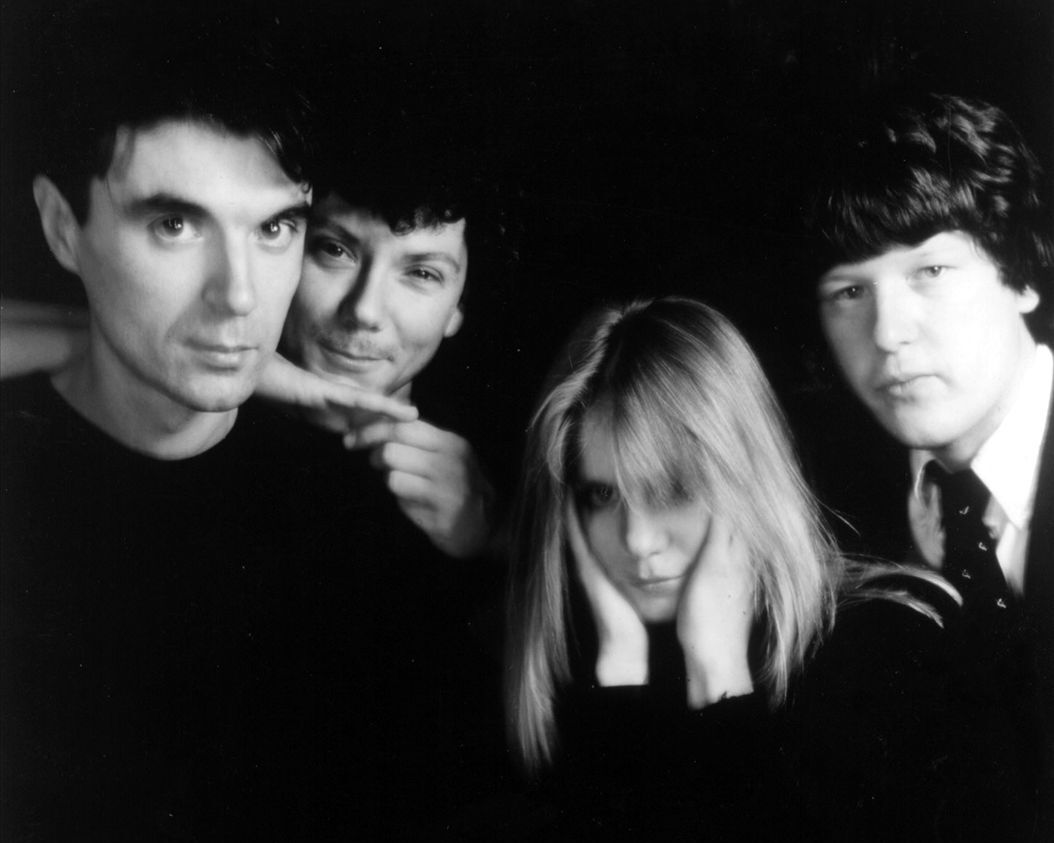
Talking Heads are widely regarded as one of the most influential rock bands of the late 20th century, even though they have been disbanded since 1991. Their sound, a cerebral blend of punk, funk, and world music, continues to resonate with new generations of listeners. The band's catalog, including albums like Remain in Light and Speaking in Tongues, remains a touchstone for alternative and art rock musicians.
Today, the band's legacy is kept alive through their extensive discography, the critically acclaimed concert film Stop Making Sense, and the ongoing solo work of David Byrne, who tours with his American Utopia project. While there is no official fandom name or lightstick, fans, often called "Heads," share a deep appreciation for the band's intellectual approach to music and their groundbreaking stage performances. The band's influence can be seen in everything from indie rock to hip-hop, and their songs are streamed millions of times each month on platforms like Spotify.
Formation Story
Talking Heads began in the unlikely setting of the Rhode Island School of Design, where David Byrne and Chris Frantz first played together in a band called the Artistics. Tina Weymouth, Frantz's girlfriend at the time, was also a student there, and the three shared a passion for pushing musical boundaries. In 1975, they made the leap to New York City, moving into a loft on Chrystie Street in the Bowery.
It was in the gritty downtown scene that they found their footing. They adopted the name Talking Heads, a suggestion from a friend, and started playing at the legendary club CBGB, which was the epicenter of the punk rock movement. Their early sets were raw and angular, with Byrne's nervous energy and Weymouth's hypnotic bass lines setting them apart. To complete their sound, they recruited Jerry Harrison, a Harvard graduate who had played keyboards for the Modern Lovers, and he joined in early 1976.
Their big break came when they signed with Sire Records, and in April 1977 they released their debut album, Talking Heads: 77. The album included the iconic track "Psycho Killer," which would become a staple of their live shows. The band's early rise was not without its struggles; they played to small crowds and faced the typical challenges of a new band, but their innovative approach quickly gained critical attention. Their first major tour, opening for the Ramones, helped them build a loyal following, setting the stage for their later experimental work with Brian Eno.
Members
Sub-Units
Tom Tom Club (1981)
Tina WeymouthChris Frantz
Musical Style
Talking Heads' musical style evolved dramatically over their career, but it always carried a distinctive intellectual edge. Their early work was rooted in post-punk and new wave, characterized by jagged guitar riffs, repetitive bass patterns, and Byrne's detached, anxious vocals. Songs like "Psycho Killer" and "Life During Wartime" captured a sense of urban paranoia that resonated with the punk era.
The collaboration with producer Brian Eno, beginning with More Songs About Buildings and Food, pushed them into more experimental territory. They incorporated funk rhythms, African polyrhythms, and avant-garde production techniques, culminating in the masterpiece Remain in Light. That album featured complex, layered grooves influenced by Fela Kuti and Parliament-Funkadelic, with Byrne's lyrics exploring themes of identity and alienation.
By the mid-1980s, they had streamlined their sound into more accessible pop structures, as heard on Speaking in Tongues and Little Creatures. Yet even their most commercial work retained a rhythmic sophistication and lyrical wit that set them apart. Their final albums, True Stories and Naked, delved into soul, gospel, and worldbeat, showing a band still willing to evolve. Throughout, their music was marked by a tension between the cerebral and the visceral, making them a unique force in rock.
Discography
| Title | Year |
|---|---|
| Naked | 1988 |
| True Stories | 1986 |
| Little Creatures | 1985 |
| Speaking in Tongues | 1983 |
| Remain in Light | 1980 |
| Fear of Music | 1979 |
| More Songs About Buildings and Food | 1978 |
| Talking Heads: 77 | 1977 |
Tours
Naked Tour
1988
Little Creatures Tour
1985
Speaking in Tongues Tour
1983
Remain in Light Tour
1980
Fear of Music Tour
1979
Cultural Impact
Talking Heads left an outsized mark on music and popular culture. They were pioneers of new wave, bridging the gap between the punk underground and the art rock mainstream. Their integration of African rhythms into Western rock helped pave the way for the world music genre and influenced a generation of bands, including R.E.M., U2, and Arcade Fire.
Their visual aesthetic was equally influential. David Byrne's oversized suits and jerky dance moves in Stop Making Sense redefined the role of a frontman, turning stage performance into an art form. The film itself, directed by Jonathan Demme, is often cited as the greatest concert film ever made and was added to the National Film Registry in 2023.
Beyond music, the band's intellectual approach to lyrics and their exploration of themes like consumerism and social anxiety resonated with audiences and critics alike. They were inducted into the Rock and Roll Hall of Fame in 2002, and their songs continue to be used in films, TV shows, and commercials, ensuring their cultural presence endures.
Fandom Culture
Talking Heads fans, informally known as "Heads," are a dedicated and passionate community. Unlike many modern acts, there is no official fan club or lightstick, but the bond among fans is strong, often centered around a shared appreciation for the band's intellectual and innovative music.
Fan traditions include celebrating anniversaries of album releases and the annual re-releases of remastered editions. The 2023 re-release of Stop Making Sense in theaters brought fans together for screenings, and the band's official social media accounts often share archival footage and behind-the-scenes content, keeping the community engaged. Fans also enjoy debating the band's discography, with Remain in Light often cited as the masterpiece, and they frequently cover the band's songs in their own projects.
Awards Won (12)
Group Video
for: Burning Down the House
Concept Video
for: Once in a Lifetime
Best Group Video
for: "Wild Wild Life"
Best Video from a Film
for: "Wild Wild Life"
Video Vanguard Award
for: David Byrne
International Group
Lifetime Achievement
Integrated Campaign - Other
for: "Fa Fa Fa"
Milestones
Band formed in New York City.
Released debut album Talking Heads: 77.
Released Remain in Light, a critical turning point.
"Burning Down the House" reached Top 10 on Billboard Hot 100.
Stop Making Sense released, later added to National Film Registry.
Official disbandment after David Byrne's departure.
Inducted into Rock and Roll Hall of Fame.
Fame & Fandom (iFAMOUS Rankings)
Trivia
Talking Heads' name was suggested by a friend, reflecting their focus on lyrical content and communication. Producer Brian Eno lived in a mobile recording van outside their rehearsal space in New York, contributing to the atmospheric sounds of Remain in Light. David Byrne's signature oversized suit was inspired by his desire to hide his body language and create a distinct visual identity separate from typical rock stars. The 2026 release of Tentative Decisions: Demos & Live featured early demos, showcasing the band's development. "Life During Wartime" was highlighted in 2026 for its prescient commentary on modern political climates and immigration issues.
Keywords
Sources
Quick Facts
- Formed
- 1975
- Origin
- New York City
- Label
- Sire
- Genres
- post-punk, new wave, art rock, funk, worldbeat
- Members
- 4
- Status
- Disbanded
Group Info
- Fandom
- Heads
- Formed
- January 1975
- Debut
- April 13, 1977
- Debut Song
- Psycho Killer
- Origin
- New York City, New York, US
- Label
- Sire
- Status
- Disbanded (1991)
Also Known As
Join the community
fans discussing