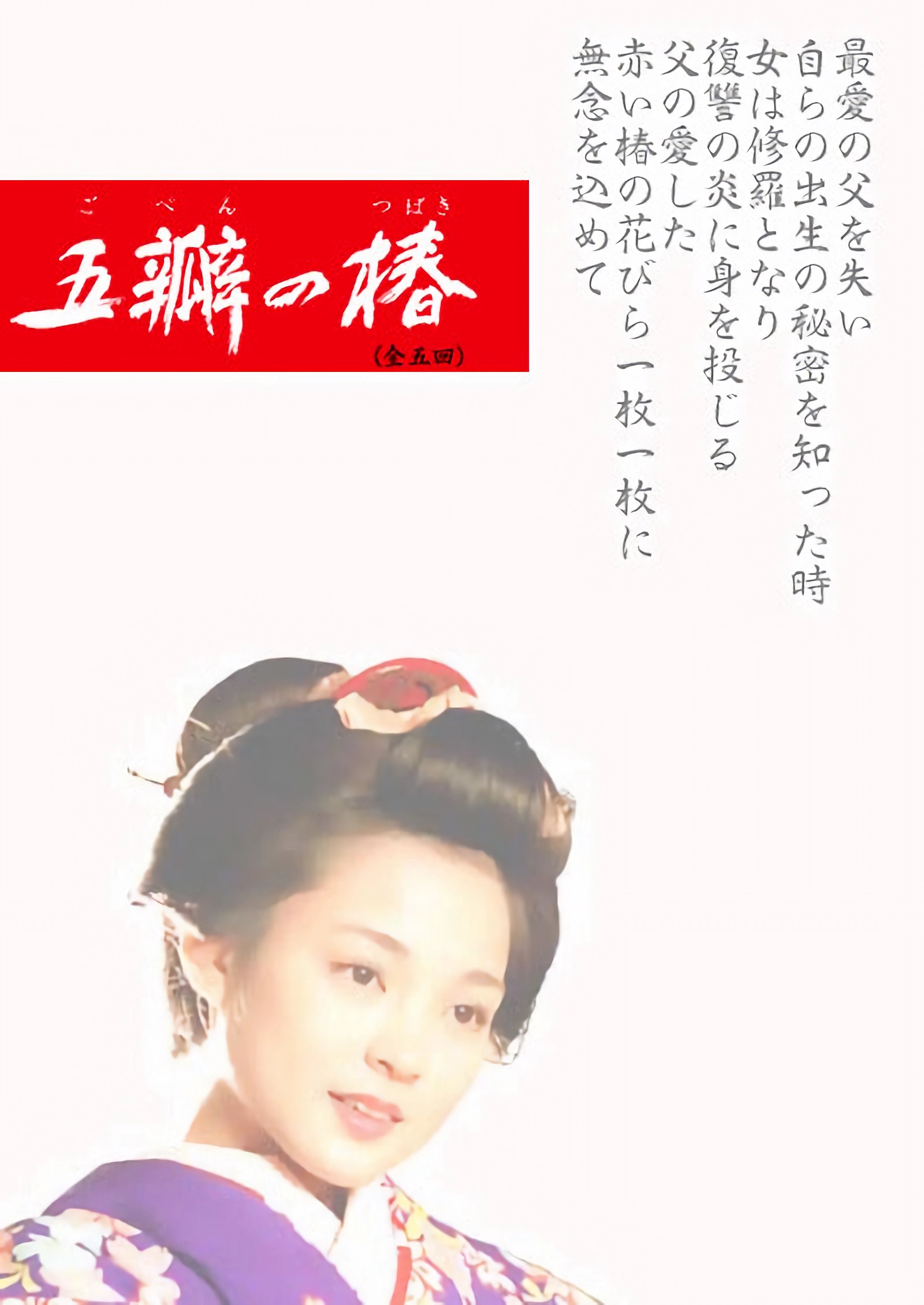
Takehiro Nakajima
 Japan
screenwriter•novelist•film director
Also known as: 中島丈博
Birthday
November 12, 1935
Birth Sign
Scorpio
Birthplace
Kyoto Prefecture, Japan
Age
91 years old
About
Takehiro Nakajima is a Japanese screenwriter, novelist and film director. He was born in Kyoto Prefecture on November 12, 1935, and turned 90 in November 2025. Film databases credit him on 54 productions, a body of work built mainly in Japanese television drama from the 1960s onward, with scripts written for NHK and commercial networks.
His name travels furthest internationally on Okoge (1992), a film he wrote and directed about a young Tokyo woman drawn into the lives of a gay man and his married lover. The picture drew festival attention in the United States, including a review in The New York Times, and it remains the title most often cited when his career is discussed outside Japan. Within Japan his reputation rests less on any single film than on four decades of steady television writing, supplemented by novels and short stories, several of which he adapted for the screen himself.
He is not a celebrity in the tabloid sense and has no social media presence to speak of. He belongs instead to the working craft tradition of postwar Japanese film and television, and at 90 he is among the last living links to the 1960s television drama era. His career arc, from television staff writer to novelist-adaptor to director of his own scripts, mirrors the collapse of the Japanese studio system into television.
Early Life & Background
The record of Nakajima's early life is thin. He was born in Kyoto Prefecture on November 12, 1935, and the family moved to Nakamura, a town in Kochi Prefecture that is now part of Shimanto, where he grew up. Beyond that, Japanese-language interview material that might fill in his schooling, his first jobs, or the moment he decided to write has not surfaced in the available English-language sources. What is documented is that he entered the industry as a screenwriter in the 1960s, at a time when Japanese television was expanding fast and the studios were shedding staff. That timing mattered. The old studio system was contracting, and television needed writers who could turn out scripts at speed. Nakajima came up through that opening rather than through the film studios, and it shaped the rest of his career.
His earliest widely circulated film credit is on Zatoichi the Outlaw (1967), an entry in the long-running Zatoichi series. The credit places him in commercial Japanese film while he was still building his television reputation. He also wrote fiction from early on, publishing novels and short stories, and several of those he later adapted himself. The move from prose to script was not unusual for Japanese writers of his generation, but Nakajima made it a permanent working method rather than a sideline.
Career Growth
Nakajima's breakthrough was less a single moment than a steady accumulation of television work. From the 1960s onward he wrote for NHK and commercial networks, and the bulk of his 54 credited productions sits in television drama rather than film. His scripts tended toward regional and family life rather than urban melodrama, a preference that gave his work a recognizable texture within the medium.
In 1992 he wrote and directed Okoge, the film that remains his signature international title. The story follows a straight young woman in Tokyo who becomes entangled with a gay man and his married lover. Yoshimasa Hakata was the cinematographer and Kenji the editor. The film was reviewed in The New York Times during its festival run, under the headline "Days of Rice Cakes, Friendship and Gay Love," and it continues to circulate among LGBT film audiences.
Later credits include When the Last Sword Is Drawn (2003), a samurai drama, and Genghis Khan: To the Ends of the Earth and Sea (2007), a Japanese-Mongolian co-production. Neither was a Nakajima project in the authorial sense, but both kept his name in circulation into the 2000s. His output across film and television made him a steady presence in Japanese popular storytelling for more than four decades.
Career Timeline
Public Image & Style
Nakajima has no public persona in the celebrity sense. He is known, where he is known at all, as a craftsman: a television writer who also published fiction and occasionally directed. Japanese coverage of his generation of writers tended to treat them as working professionals rather than personalities, and Nakajima fits that mold. The one exception is Okoge, which gave him a brief international profile in festival circles and in LGBT cinema histories, where the film is still discussed. He has no verified social media accounts and no follower counts to report.
Fame & Fandom (iFAMOUS Rankings)
iFANN has not yet collected fame data for Takehiro Nakajima, so no ranking is available for him. He does not appear on the September 2026 iFAMOUS Rankings flagship list. Within Japanese film and television circles his name carries weight as a long-serving screenwriter, but that regard has not translated into the kind of measurable public attention the rankings track.
There is no established fandom name, no organized fanbase, and no documented fan campaigns. He is a respected craftsman of Japanese film and television rather than a cult figure, and any claim of a formal fan community would be invented. The audience that does seek him out is narrow and specific: students of Japanese television history, readers of postwar Japanese fiction, and viewers who encountered Okoge through LGBT film programming. That audience is informal and has no rituals or organizations attached to it.
Interesting Facts and Legends
Nakajima's career arc is often read as a case study in the collapse of the Japanese studio system into television: he was a television staff writer in the 1960s, a novelist-adaptor in the 1970s and 1980s, and eventually a director of his own scripts. The word okoge in his best-known film's title is Japanese slang for a woman who befriends gay men, a detail that gives the film its social footing. He has outlived many of the directors and producers he worked with, and at 90 he remains one of the last working links to 1960s Japanese TV drama. No verified award wins appear in the available English-language record, and Japanese award databases would need direct consultation before any could be stated. He has never maintained a public social media presence.
Family & Personal Life
Nakajima's family life has not been publicly documented in reliable sources. No spouse, children or partner is confirmed in any of the material available, and Japanese literary and television figures of his generation frequently kept private lives out of the press. His upbringing is recorded only in outline: born in Kyoto Prefecture, raised in Nakamura, a town in Kochi Prefecture now part of Shimanto. Beyond that, the record is silent.
Notable Connections
Relationships & Dating History
No public romantic relationships, marriages or partnerships involving Takehiro Nakajima have been documented in reliable sources. Japanese literary and television figures of his generation frequently kept private lives out of the press, and no credible outlet confirms any partner. As of 2026 his relationship status is unknown and not publicly documented.
Salary, Net Worth In 2026
No credible net worth estimate for Takehiro Nakajima has ever been published. Celebrity net-worth aggregators do not cover him, and no figure appears in any source consulted for this profile. He has worked for decades as a Japanese television and film writer, a career that in Japan is salaried and royalty-based rather than Hollywood-scale, and no public record of his earnings, assets or property exists. Any number published elsewhere should be treated as fabricated. The iFANN Editorial Team does not publish an estimate where no reliable basis exists.
Awards & Accolades
Known For
Okoge
1992 · Writer and director
Zatoichi the Outlaw
1967 · Writer
When the Last Sword Is Drawn
2003 · Writer
Genghis Khan: To the Ends of the Earth and Sea
2007 · Writer
Keywords
Sources
Quick Facts
- Profession
- screenwriter, novelist, film director
- Born
- November 12, 1935
- Birthplace
- Kyoto Prefecture, Japan
- Gender
- Male
- Birth Sign
- Scorpio
- Credits
- 54 productions
Personal Details
- Full Name
- Takehiro Nakajima
Filmography
54
Total
4
Film
50
TV
Frequently Asked Questions
Who is Takehiro Nakajima?
What is Takehiro Nakajima known for?
Is Takehiro Nakajima still alive?
What is Takehiro Nakajima's net worth?
Is Takehiro Nakajima married or does he have children?
Join the community
fans discussing