 Morocco
About
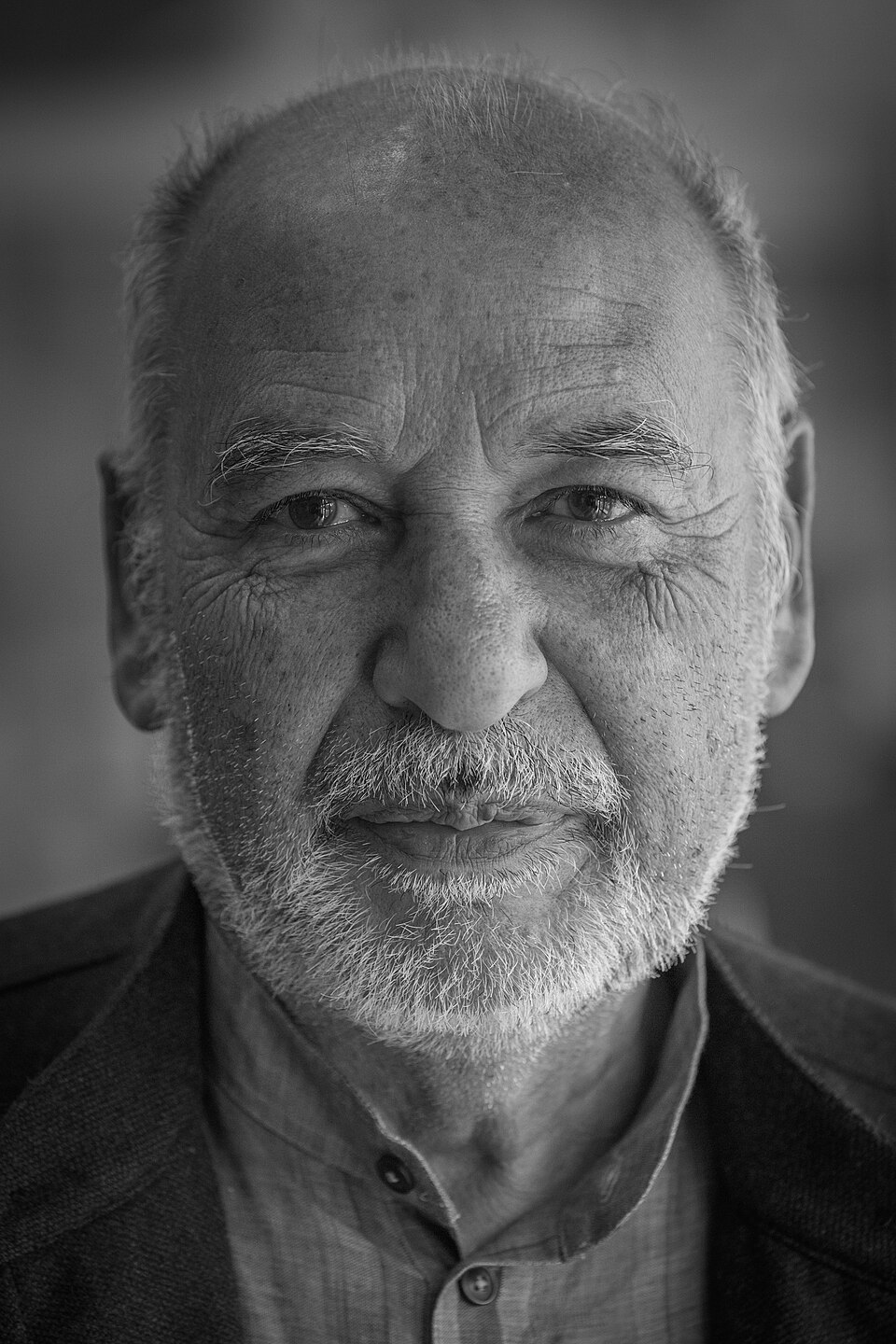
Tahar Ben Jelloun is a Moroccan writer, poet, essayist, critic, and psychotherapist, celebrated for his profound literary contributions in French. He is widely recognized for his insightful prose that often explores complex human experiences and societal issues, including identity, exile, the immigrant experience, human rights, sexual identity, and Moroccan culture. His extensive body of work, spanning novels, poetry collections, and essays, has earned him a significant place in contemporary Francophone literature. Today, Ben Jelloun remains an active and influential voice, continuing to engage with themes of human rights and cultural dialogue. His distinctive storytelling bridges narratives between North Africa and the West, offering deep insights into Moroccan culture and the immigrant journey, resonating with a global readership. He is a regular contributor to the esteemed French newspaper Le Monde, sharing his perspectives on current events and cultural matters. His willingness to engage in public discourse, whether through his writing or his participation in discussions on racism, reinforces his image as a writer deeply committed to social justice and intellectual exchange.
Ben Jelloun's writing often addresses complex societal issues, with one article discussing his portrayal of women as "guardians of culture" and "bearers of family ethics." He has also spoken about the Arab world's revolutions and the process of modernization and democratization in Morocco. His creative output extends beyond literature; he has also achieved recognition as a visual artist. These diverse activities and his significant literary impact contribute to his standing as a distinguished intellectual.
Early Life & Background
Tahar Ben Jelloun's journey began in the historic city of Fez, Morocco, where he was born on December 1, 1944. His early education took place in a French grammar school in Tangier, immersing him in the French language and culture from a young age. This foundational experience was crucial, as it not only equipped him with fluency but also instilled a bicultural perspective that would later define his literary voice. The intellectual currents of the time further shaped him during his philosophy studies at Mohammed V University in Rabat, where he engaged with ideas that broadened his understanding of society and human nature.
His academic pursuits were followed by a period as a psychotherapist, a profession that offered him deep insights into the human psyche. This practical experience undoubtedly informed the nuanced psychological portraits that would become a signature element of his novels. Ben Jelloun immigrated to France in 1961, a decision that profoundly influenced his worldview, immersing him in the realities of exile and the immigrant experience. Living in France, he gained firsthand understanding of cultural displacement and the challenges faced by those living between two worlds, themes he would later explore with profound empathy and clarity in his writing. During these years leading up to his literary breakthrough, Ben Jelloun honed his craft, observing the societal dynamics around him and developing the lyrical yet incisive style that would soon captivate a global audience. He was not just a writer in waiting, but a thinker and observer, absorbing the complexities of identity and belonging that would fuel his most important works. His early life, marked by academic rigor, professional introspection, and personal migration, laid the essential groundwork for the powerful narratives he would eventually share with the world.
Career Growth
A significant turning point arrived in 1985 with the publication of L'Enfant de sable (The Sand Child). This novel quickly garnered widespread attention and established Tahar Ben Jelloun as a major voice in contemporary literature, captivating readers with its innovative narrative and exploration of gender identity in Moroccan society. Its success was followed by La Nuit sacrée (The Sacred Night), which continued to build his reputation and further solidified his literary standing. Throughout his career, Ben Jelloun has consistently produced a substantial body of work, contributing numerous novels, poetry collections, and essays. His work has tackled important societal issues, as seen in his bestselling book Racism Explained to My Daughter, which offered accessible insights into complex topics of prejudice and discrimination. In recent years, his novel The Happy Marriage was reviewed in The Guardian in 2016, and The Punishment, which drew from his personal experiences with torture, received attention from Theartsdesk.com in 2020. The novel The Last Friend was published in 2006.
Ben Jelloun's creative output extends beyond literature. In January 2026, he presented an exhibition of his visual art, 'Au gré de la lumière', in Casablanca, demonstrating his artistic versatility. He also remains an engaged public intellectual, participating in important dialogues, such as his discussion with Lilian Thuram in March 2026 concerning racism, highlighting his ongoing commitment to social commentary and cultural exchange. His influence has been recognized with nominations for the Nobel Prize in Literature, underscoring the global impact of his writing.
Career Timeline
Public Image & Style
Tahar Ben Jelloun projects the image of a thoughtful and engaged intellectual, often seen as a bridge between Moroccan and French cultures. His public persona is one of a profound storyteller and social commentator, unafraid to tackle sensitive subjects like identity, exile, and human rights. He frequently appears in media as an eloquent voice discussing issues pertinent to the Arab world, immigration, and contemporary society. His distinctive writing style is characterized by lyrical prose, psychological depth, and a keen observational eye, which has drawn a dedicated readership. Fans connect with his ability to articulate complex emotions and experiences, particularly those related to cultural displacement and the search for belonging. Through his novels and essays, he offers a nuanced perspective on the challenges and beauties of life caught between different traditions, fostering a sense of understanding and empathy among his audience.
Fame & Fandom (iFAMOUS Rankings)
Tahar Ben Jelloun stands as a towering figure in modern literature, bridging the cultural divide between Morocco and France with a voice that resonates globally. His influence extends far beyond the pages of his novels, cementing his status as a critical intellectual whose words spark debates on identity, exile, and human rights across continents. In the latest assessment of global celebrity metrics, he is ranked the 57th most famous person from Morocco, a position he has held steady through multiple cycles of fluctuating public attention. This placement reflects a deep, enduring resonance rather than fleeting viral fame, tracking how his work permeates academic circles, literary festivals, and political discourse worldwide. While pop stars might command stadiums, Ben Jelloun commands the minds of readers who return to his stories for decades, finding new layers of meaning in every re-read. Unlike many contemporary figures, his fanbase does not operate under a specific, branded name; there are no organized campaigns or ritualistic gatherings dedicated to him. Instead, his audience consists of students, scholars, and activists who engage with his ideas through university forums and book readings. The mythology surrounding him is built on the publication of *L'Enfant de sable* and his fearless advocacy against racism, creating a legacy defined by moral clarity rather than celebrity spectacle. These rankings capture the quiet power of a writer who remains essential to understanding the Arab world's place in modern society.
Interesting Facts and Legends
Despite speaking Darija at home, Ben Jelloun chose French as his primary literary language, often noting that he thinks in Arabic but writes in French. This linguistic duality allows him to craft prose that feels both intimate and universal. Beyond the written word, he is a talented painter whose visual art has been showcased in recent exhibitions like 'Au gré de la lumière' in Casablanca. His background as a psychotherapist deeply informs his fiction, giving his characters a psychological depth rarely seen in debut novels. He frequently tackles the complexities of sexual identity, most notably in The Sand Child, where a protagonist lives as a boy despite being born female. Fans and critics alike still retell the story of his 1987 Prix Goncourt win for The Sacred Night, a moment that solidified his standing in the French literary canon. Another defining chapter involves his book Racism Explained to My Daughter, which became a staple in educational discussions about North African immigrants in France. Recent events in 2026 show his views continue to provoke debate, such as his critiques regarding Ceuta and French immigration policies, proving his relevance as a polarizing yet necessary public intellectual. A foundational legend of his career remains his three-year imprisonment under King Hassan II from roughly 1970 to 1973; this period of dissent cemented his moral authority and continues to be cited as the crucible for his later works on human rights.
Notable Quotes
“I write always in French, but I think in Arabic.”
“Literature is not a solution, it's a question.”
“For me, writing is a way to resist silence, to resist oblivion.”
“I don't think a writer can change the world, but he can change the way people look at the world.”
Family & Personal Life
Tahar Ben Jelloun was born into a Moroccan family in Fez, though specific details about his parents' professions or names are not widely publicized. His upbringing in a traditional Moroccan household, particularly in a city as culturally rich as Fez, undoubtedly shaped his early perspectives and instilled in him a deep connection to his heritage. While his public life primarily focuses on his literary and intellectual pursuits, he has occasionally spoken about the importance of family and cultural roots in his work, often reflecting on the dynamics of Moroccan society. It is known that Ben Jelloun is a father, a fact highlighted by his widely read book, Racism Explained to My Daughter, which he penned for his own child. However, he keeps other aspects of his personal family life private, preferring to focus public attention on his artistic and social commentary.
Notable Connections
Tahar Ben Jelloun is closely associated with Francophone literature and a generation of Maghrebi writers who explore the complexities of post-colonial identity. His work often connects with themes of exile, immigration, and human rights, placing him alongside other authors who address cross-cultural experiences. He is also linked to intellectual discourse on racism and cultural dialogue, frequently engaging with public figures on these important topics.
Relationships & Dating History
Tahar Ben Jelloun has consistently maintained a private approach to his personal life, particularly concerning his romantic relationships. Public records and interviews offer limited information about his dating history or marital status. While his literary works often delve deeply into human connections and societal dynamics, he has made a clear choice to keep the specifics of his own intimate partnerships out of the public eye. This discretion means that details regarding any long-term partners, marriages, or divorces are not widely known or discussed in media.
It is known that Ben Jelloun is a father, a fact highlighted by his widely read book, Racism Explained to My Daughter, which he penned for his own child. However, the identity of his partner and the chronological details of his family life remain private. This intentional separation between his public literary persona and his private world reflects a common practice among certain intellectuals who prefer the focus to remain on their work rather than their personal affairs. As of 2026, Tahar Ben Jelloun's relationship status is not publicly known, underscoring his consistent commitment to privacy in this aspect of his life.
Salary, Net Worth In 2026
$5 Million
iFANN Editorial Team estimate
Tahar Ben Jelloun's financial standing, estimated at $5 Million per iFANN's editorial analysis as of 2026, primarily stems from his prolific and successful literary career. As a celebrated author of numerous novels, poetry collections, and essays, a significant portion of his income comes from book sales, royalties, and translation rights for his works published in multiple languages worldwide. His breakthrough novel, L'Enfant de sable, and subsequent acclaimed titles like The Sacred Night and Racism Explained to My Daughter, have enjoyed enduring popularity, generating consistent revenue streams over decades. His writings are not only critically praised but also commercially successful, particularly in the Francophone world and beyond. Beyond his book earnings, Ben Jelloun also contributes regularly to prominent publications, notably the French newspaper Le Monde, which provides a steady income from his journalism and critical essays. His background as a psychotherapist, while not his primary public profession today, may also have contributed to his early financial stability. More recently, his foray into the visual arts, with exhibitions like 'Au gré de la lumière' in Casablanca, opens up new avenues for income through art sales. His intellectual engagements, including lectures, public discussions, and literary festival appearances, further supplement his earnings. These diverse income streams, cultivated over a long and distinguished career, contribute to his estimated net worth in 2026.
Awards Won (7)
Tahar Ben Jelloun has received significant recognition throughout his distinguished literary career, reflecting the profound impact of his writing. His most prominent achievement came in 1987 when he was awarded the prestigious Prix Goncourt for his novel La Nuit sacrée, making him the first Maghrebi writer to win France's highest literary honor. He also earned the Grand Prix des Lectrices de Elle in 1994 for L'Homme rompu. Further accolades include the Prix International de Poésie Argana in 2002, the Prix Ulysses in 2005, and the Grand Prix de la Francophonie from the Académie française in 2011, among others. These awards highlight his consistent artistic excellence and his vital contributions to Francophone literature.
1987 · Fiction
La Nuit sacrée
1994 · Fiction
L'Homme rompu
Known For
L'Enfant de sable
1985 · Novelist
La Nuit sacrée
1987 · Novelist
Racism Explained to My Daughter
1997 · Author
Keywords
Sources
Quick Facts
- Profession
- Writer, Poet, Essayist, Critic, Psychotherapist
- Born
- December 1, 1944
- Age
- 82
- Birthplace
- Fez, Morocco
- Nationality
- Moroccan
- Gender
- Male
- Birth Sign
- Sagittarius
Personal Details
- Education
- Mohammed V University (Philosophy)
Frequently Asked Questions
What are the main themes in Tahar Ben Jelloun's writing?
Ben Jelloun's work frequently explores identity, exile, the immigrant experience, human rights, sexual identity, and Moroccan culture. He often delves into psychological portraits and the complexities of living between different cultural worlds, offering unique perspectives on societal issues.
When did Tahar Ben Jelloun become famous?
He achieved widespread recognition with the publication of his 1985 novel, L'Enfant de sable (The Sand Child). This work brought him significant critical and public attention, establishing him as a major voice in contemporary Francophone literature.
What is Tahar Ben Jelloun's profession?
Tahar Ben Jelloun is a highly respected writer, poet, essayist, and critic. He also has a background as a psychotherapist, a profession that has informed the deep psychological insights found throughout his literary works.
Is Tahar Ben Jelloun still active in 2026?
Yes, Tahar Ben Jelloun remains active in 2026. He held a visual art exhibition in Casablanca in January 2026 and participated in a public discussion on racism with Lilian Thuram in March 2026, demonstrating his ongoing creative and intellectual engagement.
Has Tahar Ben Jelloun won the Nobel Prize in Literature?
While Tahar Ben Jelloun has been nominated for the Nobel Prize in Literature, he has not won the award. He has, however, received numerous other prestigious literary honors, including the Prix Goncourt in 1987.
Join the community
fans discussing