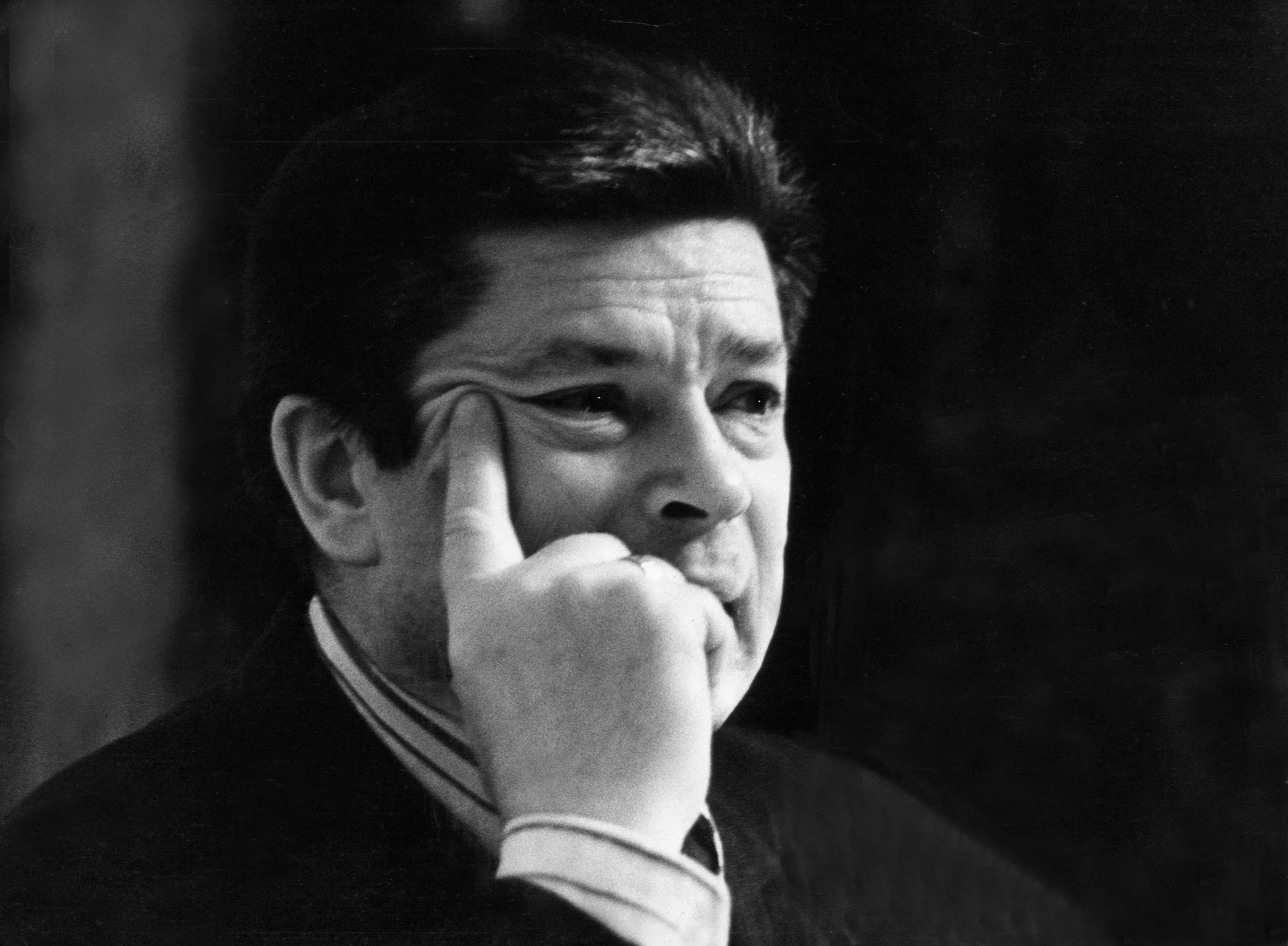
Svyatoslav Fyodorov
 Russia
Ophthalmologist•professor•politician
Also known as: Svyatoslav Nikolaevich Fyodorov, Slava Fyodorov
Birthday
August 8, 1927
Birth Sign
Leo
Birthplace
Khmelnytskyi, Ukraine
Age
Died at 72
About
Svyatoslav Fyodorov was a Russian ophthalmologist, professor, and politician, widely recognized as a pioneer of refractive surgery. He is best known for developing radial keratotomy, a surgical technique that corrected nearsightedness and changed the course of vision correction worldwide. As a full member of both the Russian Academy of Sciences and the Russian Academy of Medical Sciences, he held a distinguished place in Soviet and Russian medicine.
Fyodorov's influence extended beyond the operating room. He entered politics and ran as a candidate in the 1996 Russian presidential election, representing the Party of Workers' Self-Government. His career combined medical innovation with public service, and his legacy continues to shape ophthalmology today.
Early Life & Background
Svyatoslav Fyodorov was born on August 8, 1927, in Khmelnytskyi, Ukraine, a city then part of the Soviet Union. Details of his early childhood remain sparse, but he pursued a medical education and became a university teacher, eventually rising to the rank of professor. His early career was marked by a deep interest in eye surgery, an area that was still developing in the mid-20th century.
In the 1960s, Fyodorov began experimenting with surgical techniques to correct vision, drawing on earlier work in the field. A pivotal moment came in 1974 when he performed the first radial keratotomy, a procedure that used precise incisions in the cornea to flatten it and reduce myopia. This breakthrough was initially met with skepticism, but Fyodorov's persistence and the growing demand for vision correction helped establish the technique.
Before his breakthrough, Fyodorov also developed the Sputnik intraocular lens, an early design for cataract surgery. These early innovations laid the groundwork for his later fame and set the stage for his revolutionary approach to eye care.
Career Growth
Fyodorov's development of radial keratotomy in 1974 marked a turning point in ophthalmology. He refined the procedure over the following decade, and by 1984 he had pioneered a concept he called "assembly-line surgery" at the Moscow Research Institute of Eye Microsurgery. This system, which he nicknamed "medical factory No. 1," used teams of surgeons working in a row of operating rooms to perform hundreds of operations daily, dramatically increasing access to eye care.
His reputation grew internationally, and he became known as a leader in refractive surgery. He also taught intraocular lens implantation, including the Sputnik technique, which advanced cataract treatment. In the 1990s, Fyodorov expanded his reach by organizing a hospital ship that offered eye surgery, though it faced legal warnings in 1994 for operating without proper authorization.
Beyond medicine, Fyodorov entered politics, founding the Party of Workers' Self-Government and running for president in 1996. Though he did not win, his candidacy highlighted his broader vision for social and economic reform. His career was cut short by his death in 2000, but his contributions to ophthalmology remain foundational.
Career Timeline
Public Image & Style
Fyodorov was viewed as a visionary and a maverick in Soviet medicine, often challenging conventional practices. His assembly-line surgery approach was both praised for its efficiency and criticized for its factory-like feel. He cultivated an image of a dedicated scientist who cared deeply about patient access to care. In the West, he was celebrated as a pioneer of refractive surgery, and his techniques influenced a generation of ophthalmologists. His political ambitions added a layer of public interest, portraying him as a doctor who sought to heal society as well as individuals.
Fame & Fandom (iFAMOUS Rankings)
Svyatoslav Fyodorov never cultivated a fandom in the traditional sense of pop culture, as his legacy rests on medical innovation rather than celebrity performance. His following consisted of patients who traveled globally to receive treatment and medical professionals who studied his techniques, not enthusiasts organizing fan clubs or campaigns. The industrial scale of his clinic, often described as a medical factory, created a unique historical narrative where efficiency replaced the rituals typical of modern stardom. While he possessed a global reach through his surgical methods and political ambitions, no formal name exists for any group dedicated to his memory. iFANN has evaluated his standing within its Global Fame Engine. Svyatoslav Fyodorov does not currently hold a placement in the published rankings (Global Top 1,000 or a Top-100 scope list). This evaluation confirms that while his influence remains significant across multiple disciplines, he does not hold a position within the top-tier scope lists that typically feature active cultural icons. The distinction between his status as a national hero and a global celebrity remains clear in the data, marking him as a figure of historical importance rather than current viral fame.
Interesting Facts and Legends
Svyatoslav Fyodorov was known for his meticulous approach to both medicine and economics, often applying systematic thinking to complex problems. He was a full member of the Russian Academy of Sciences and the Russian Academy of Medical Sciences, a rare dual honor. A street in Moscow was named in his honor, reflecting his lasting impact on the city. He was also a pilot, which made his death in a helicopter crash particularly poignant. His nickname, "Slava," was used by colleagues and patients alike. Historical accounts describe his clinic as "Medical Factory No. 1," where patients moved along a conveyor belt system while different surgeons performed specific steps of the procedure simultaneously. This assembly-line approach became a legendary anecdote in medical history, symbolizing Soviet efficiency. Another verified event involved the launch of an eye ship in the early 1990s that sailed to various ports to offer free surgeries, cementing his reputation as a global humanitarian figure despite legal controversies. News reports described him as being seen striding energetically toward a helicopter shortly before his fatal crash, a final image of his tireless personality.
Notable Quotes
“The eye is a mirror of the soul, and we must keep it clean.”
“Surgery is a craft, but it must be based on science.”
“I believe in the power of small incisions to change lives.”
Family & Personal Life
Details about Fyodorov's family are limited in public records. He was married, though his wife's name and the dates of their marriage are not widely documented. He had at least one child, but specific information about his children is scarce. Given his demanding career, his family life remained largely private. At the time of his death, he was married, and his widow survived him.
Notable Connections
Svyatoslav Fyodorov is associated with the Moscow Research Institute of Eye Microsurgery, where he developed his assembly-line techniques. He is also linked to the Party of Workers' Self-Government, which he founded and led. His work influenced the field of refractive surgery globally, and he is remembered alongside other pioneers like Jose Barraquer and Charles Kelman.
Relationships & Dating History
Information about Svyatoslav Fyodorov's romantic relationships is scarce in public records. He was married, though the name of his wife and the details of their marriage are not widely documented. The couple remained together until his death in 2000. Fyodorov was a private person regarding his personal life, and no other significant relationships have been reported. At the time of his death, he was married, and his widow survived him.
Death & Aftermath
Died
June 2, 2000 (aged 72)
Death Place
Moscow, Russia
Cause of Death
Helicopter crash
The global ophthalmology community and Russian officials responded to the loss of Svyatoslav Fyodorov with immediate tributes that highlighted his role as a pioneer in refractive surgery. The American Academy of Ophthalmology published an obituary titled "Slava Fyodorov, MD: How Russia Influenced Refractive..." while prestigious journals like JAMA Ophthalmology and The Los Angeles Times issued detailed accounts of his passing. These publications underscored the high regard in which he was held by peers worldwide for developing radial keratotomy in 1974. On June 2, 2000, the 72-year-old professor died following a helicopter crash. Contemporary reports described him traveling energetically toward the aircraft moments before the accident occurred during takeoff or shortly thereafter.
Authorities ruled the incident a tragic aviation accident involving pilot error or mechanical failure, with no evidence of foul play or suicide suggested in available records. While initial reports from some sources listed the date as June 3, the consensus among biographical records confirms the event took place on June 2. Specific details regarding the exact location of the funeral service or burial site remain unconfirmed in public records, though the Fyodorov Clinic maintains an In Memoriam page to honor his legacy annually. Following his death, the Svyatoslav Fyodorov Foundation continued its mission to provide free eye surgeries in developing nations, and the clinic he founded remains active under his name.
Net Worth (Estate Value)
$10 Million
iFANN Editorial Team estimate
Assessing Svyatoslav Fyodorov's net worth is challenging due to the lack of public financial records from his lifetime. As a prominent Soviet and Russian ophthalmologist, he earned a substantial income from his medical practice and the institute he led. His innovations in radial keratotomy and intraocular lenses likely generated significant revenue, though exact figures are unknown. After his death in 2000, his estate would have included his intellectual property and any residual income from his techniques. Per iFANN's editorial analysis, the estate's value is estimated at around $10 million as of 2026, based on the continued use of his methods and the historical significance of his work. This figure reflects the lasting impact of his contributions to ophthalmology.
Awards & Accolades
View 5 records, honours and achievementsKnown For
Development of radial keratotomy
1974 · Pioneer surgeon
Assembly-line eye surgery
1984 · Innovator
1996 Russian presidential candidacy
1996 · Candidate
Keywords
Sources
Quick Facts
- Profession
- Ophthalmologist, professor, politician
- Born
- August 8, 1927
- Birthplace
- Khmelnytskyi, Ukraine
- Died
- June 2, 2000
- Death Place
- Moscow, Russia
- Gender
- Male
- Birth Sign
- Leo
Personal Details
- Full Name
- Svyatoslav Nikolayevich Fyodorov
Frequently Asked Questions
Who was Svyatoslav Fyodorov?
What is Svyatoslav Fyodorov famous for?
When and how did Svyatoslav Fyodorov die?
What was Svyatoslav Fyodorov's contribution to ophthalmology?
Was Svyatoslav Fyodorov involved in politics?
Similar People
Join the community
fans discussing