Suzi Quatro
 United States
Member of The Pleasure Seekers/Cradle
singer•bass guitarist•songwriter•actress
Also known as: Suzi Quatro, Susan Kay Quatro
Birthday
June 3, 1950
Birth Sign
Gemini
Birthplace
Detroit, Michigan, USA
Age
76 years old
Height
5 ft 1 in (155 cm)
About
Suzi Quatro is an American rock musician who broke ground in the 1970s as a leather-clad female bassist and frontwoman. Born Susan Kay Quatro on June 3, 1950, in Detroit, she became a major star in Europe and Australia with hits like "Can the Can" and "Devil Gate Drive," both of which topped charts in several countries. Her self-titled debut album arrived in 1973, and she has since released 15 studio albums, 10 compilations, and one live record. Over 50 million records sold worldwide, she remains a vital live performer and radio broadcaster.
Her US profile got a boost when she played bassist Leather Tuscadero on the sitcom Happy Days from 1977 to 1979. That role, combined with her duet "Stumblin' In" with Chris Norman, gave her a top-40 hit in America. German teen magazine Bravo awarded her six Bravo Ottos between 1973 and 1980, and fans voted her into the Michigan Rock and Roll Legends Hall of Fame in 2010.
Still active in 2026, Quatro released the album Freedom in 2025, described on her website as "an album all about getting back to who you are and being comfortable in your own skin." She continues to tour Europe and the UK, proving that her raw energy and unmistakable sound haven't faded.
Early Life & Background
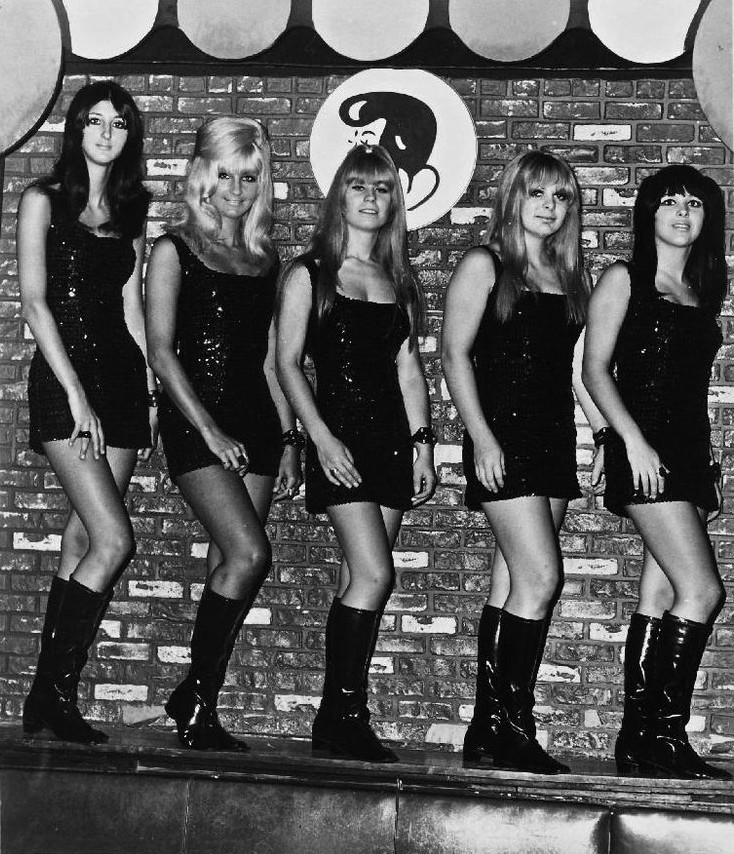
Suzi Quatro grew up in the Detroit suburb of Grosse Pointe, Michigan, the fourth of five children in a musical household. Her father Art Quatro, of Italian descent, and mother Helen, Hungarian, encouraged all their kids to play instruments. Sisters Patti and Arlene formed an all-female band called The Pleasure Seekers in 1964, and Suzi joined on bass at age 14, teaching herself to play on a Fender Precision Bass.
The band played local Detroit venues, even opening for The Stooges, and released the single "What a Way to Die" in 1968 on the Hideout label. In 1971, the group renamed itself Cradle and moved to England after being spotted by British producer Mickie Most. Most signed Suzi to a solo deal with RAK Records, marking the transition from band member to solo artist. That move set the stage for her breakthrough, but the early years of all-female banding in a male-dominated scene shaped her fierce stage presence and DIY attitude.
Career Growth
Quatro's solo career took off in 1973 with the release of her debut album and the single "Can the Can," which hit number one in the UK, Germany, Australia, and several other countries. The follow-up "Devil Gate Drive" repeated that success in 1974, and "48 Crash" and "Daytona Demon" also performed strongly. She became a regular on European charts and a darling of German teen magazine Bravo, winning six Bravo Otto awards between 1973 and 1980.
In 1977, she landed the recurring role of Leather Tuscadero on Happy Days, which brought her to American audiences. Her duet with Smokie's Chris Norman, "Stumblin' In," reached number four on the US Billboard Hot 100 in 1978, her only top-40 hit at home. She continued releasing albums through the 1980s and 1990s, and in the 2000s she expanded into radio broadcasting in the UK and Australia.
Recent years have been productive: she released No Control in 2019, The Devil in Me in 2021 (with son Richard Tuckey), Face to Face in 2023, and Freedom in 2025. She still tours regularly, and her live shows remain high-energy celebrations of her classic hits.
Career Timeline
Public Image & Style
Suzi Quatro's public image is built on her leather jumpsuit, bass guitar, and fierce stage presence. In the 1970s, she was among the first female rock musicians to project raw, aggressive energy rather than a conventionally feminine pop-star persona. Her look and attitude were so distinctive that Happy Days created the character Leather Tuscadero specifically for her, named in homage to her style.
Fans, especially in Europe and Australia, have remained loyal for decades. She engages directly with them through social media, sharing tour updates and personal reflections. Her official website and Facebook page describe her as "a bassist, a musician, a poet, an actor, a writer and a mother," which captures her multifaceted identity. She is consistently portrayed as a trailblazer who opened doors for women in rock music.
Fame & Fandom (iFAMOUS Rankings)
While Suzi Quatro commands a fiercely loyal following across Europe and Australia, her supporters operate without a formal collective moniker or organized fan club structure. Unlike modern pop phenomena with branded communities driving specific chart campaigns, Quatro's audience has remained a decentralized force of enthusiasts who have sustained her career for decades through direct engagement rather than orchestrated rituals. This organic devotion mirrors her unapologetic, leather-clad persona, where the connection feels personal and immediate rather than manufactured.
In the landscape of global celebrity metrics, iFANN has evaluated her standing as of August 2026. The Global Fame Engine confirms that while she remains a vital cultural figure, she does not currently hold a placement in the published rankings, meaning she is not ranked within the Global Top 1,000 or any Top-100 scope list. This evaluation reflects a status of high recognition among rock historians and long-time fans, even if she lacks a specific numerical position in the current algorithmic hierarchy. Her fame rests on historical significance and enduring influence rather than fleeting viral spikes.
The scale of her reach is evident in her ability to fill venues globally and maintain relevance well into her seventies. Media coverage consistently highlights her role as a pioneer who shattered gender norms before the punk movement fully took hold. From her early days with The Pleasure Seekers to her solo stardom and television appearances, her story resonates as a reflection of resilience. While no official fandom name exists to organize tributes, the sheer volume of records sold and the longevity of her touring schedule demonstrate a profound impact on the music industry.
Interesting Facts and Legends
Suzi Quatro is a self-taught bassist who never received formal lessons, relying instead on raw talent to become a pioneering frontwoman. She pioneered the leather jumpsuit stage look, which became her signature style and directly inspired the naming of her character Leather Tuscadero on Happy Days. Despite her massive international success, she only secured one top-40 hit in the United States. Of Italian and Hungarian descent, she comes from a musical family; her sister Patti also pursued a career in music, and her son Richard Tuckey has evolved into a key collaborator on her recent albums.
A central legend surrounding her career involves her discovery by producer Mickie Most in the early 1970s, an event that launched her solo stardom in the UK and cemented her status as a major recording star. Fans often recount the unique phenomenon of her dual identity: a real-life rock star who successfully portrayed a fictional rock star, becoming the first woman to play a lead role in a rock band on television. Another enduring story focuses on her transition from garage band member to international icon, forming The Pleasure Seekers with her sisters in 1964 and evolving into Cradle by 1968, widely cited as one of the earliest all-female rock bands to achieve professional recognition. Her reputation for challenging industry norms includes publicly expressing frustration over being snubbed by the Rock and Roll Hall of Fame, a moment that solidified her image as an artist who refused to be polite about her achievements.
Notable Quotes
“I am Suzi, a bassist, a musician, a poet, an actor, a writer and a mother.”
“It's all about getting back to who you are and being comfortable in your own skin.”
“I never wanted to be a girl singer. I wanted to be a rock and roll star.”
Family & Personal Life
Suzi Quatro was the fourth of five children born to Art and Helen Quatro in Detroit, Michigan. She grew up in the nearby suburb of Grosse Pointe, Michigan, with three sisters (Patti, Arlene, and Nancy) and one brother (Michael). Her father was of Italian descent, and her mother was Hungarian; both encouraged their children's musical interests. Her sister Patti also played in bands, and the Quatro sisters were notable for forming all-female groups in the 1960s.
Quatro married guitarist Len Tuckey in 1976, and they had two children: daughter Laura (born 1982) and son Richard (born 1984). The couple divorced in 1992. In 1993, she married German promoter Rainer Haas, and they have been together ever since, splitting their time between homes in England and Germany. Her son Richard has become her musical collaborator, playing on and co-writing her recent albums.
Notable Connections
Suzi Quatro's career has been shaped by key collaborators. Producer Mickie Most signed her to RAK Records and guided her solo sound. Guitarist Len Tuckey, her first husband, played in her band for years. Chris Norman of Smokie duetted with her on "Stumblin' In." Her son Richard Tuckey has become a musical partner on recent albums. On Happy Days, she worked alongside Henry Winkler, whose character Fonzie introduced her character Leather Tuscadero.
Relationships & Dating History
Suzi Quatro's first marriage was to guitarist Len Tuckey, whom she wed in 1976. Tuckey was also her musical collaborator, playing in her band. The couple had two children, Laura (born 1982) and Richard (born 1984), before divorcing in 1992 after 16 years together.
In 1993, she married German promoter Rainer Haas. The couple has been together for over three decades, dividing their time between homes in England and Germany. As of 2026, Quatro is still married to Haas, and the marriage remains strong.
- MarriedLen Tuckey1976 - 1992Guitarist and musical collaborator; had two children together.
- MarriedRainer Haas1993 - presentCurrentGerman promoter; married since 1993.
Salary, Net Worth In 2026
$20 Million
iFANN Editorial Team estimate
iFANN currently estimates Suzi Quatro's net worth at $20 Million. Her primary income sources are record sales and royalties from her extensive catalog, which includes 15 studio albums and hits like "Can the Can" and "Devil Gate Drive." She has sold over 50 million records worldwide, and those sales continue to generate royalties. Touring remains a significant revenue stream, as she regularly performs in Europe and the UK. Beyond music, Quatro has earned from acting roles, including her recurring part on Happy Days, and from her work as a radio broadcaster in the UK and Australia. Her recent albums, released independently or through her own label, add to her income. She also benefits from merchandise sales and licensing deals for her songs in films and commercials. Over the years, her financial standing has grown steadily, supported by a loyal fan base and continued activity in the industry.
Awards Won (6)
Suzi Quatro won six Bravo Otto awards from German teen magazine Bravo between 1973 and 1980, voted by readers as one of the most popular international female rock stars. She also received a Michigan Rock and Roll Legends Hall of Fame induction in 2010.
1980 · Female Singer
Self
1979 · Female Singer
Self
1978 · Female Singer
Self
1977 · Female Singer
Self
1974 · Female Singer
Self
1973 · Female Singer
Self
Known For
Can the Can
1973 · Single
Devil Gate Drive
1974 · Single
Stumblin' In
1978 · Duet with Chris Norman
Happy Days
1977 · Leather Tuscadero
Keywords
Sources
Quick Facts
- Profession
- singer, bass guitarist, songwriter, actress
- Born
- June 3, 1950
- Birthplace
- Detroit, Michigan, USA
- Gender
- Female
- Spouse
- Rainer Haas
- Birth Sign
- Gemini
- Height
- 5 ft 1 in (155 cm)
- Record Sales
- Over 50 million
Personal Details
- Full Name
- Susan Kay Quatro
- Height
- 5 ft 1 in (155 cm)
- Spouse
- Rainer Haas
- Children
- 2
Frequently Asked Questions
Is Suzi Quatro still alive?
How old is Suzi Quatro?
Who is Suzi Quatro married to?
Who played Leather Tuscadero on Happy Days?
What is Suzi Quatro's net worth?
Social Media
Similar People
Join the community
fans discussing