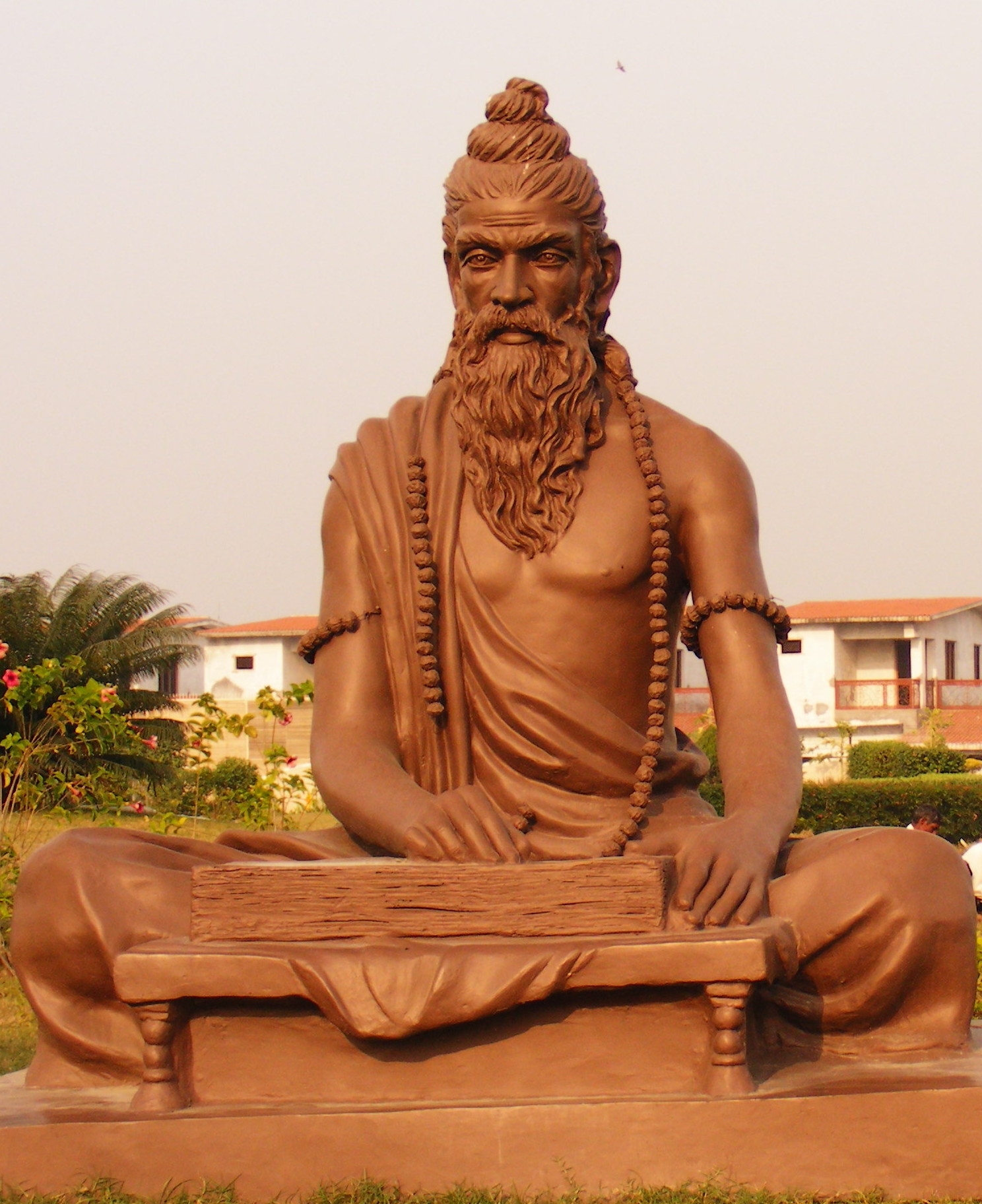
Suśruta
physician•surgeon•Ayurveda practitioner
Also known as: Sushruta, Suśruta
Birthday
-0600
Birth Sign
Capricorn
Birthplace
Kanyakubja (modern Kannauj)
Age
Died at -1100
About
Suśruta was an ancient Indian physician and surgeon who flourished between the 7th and 6th centuries BCE. He is universally recognized as the "Father of Surgery" and specifically the "Father of Plastic Surgery." His contributions to medicine formed the bedrock of Ayurvedic surgical practice for millennia, influencing medical traditions across Asia and eventually reaching Europe through trade routes and translations.
He authored the Suśruta Saṃhitā, a massive encyclopedic text on medicine that survives intact as one of the three foundational pillars of Ayurveda. The text covers general pathology, toxicology, pediatrics, gynecology, and surgery, with the surgical section remaining his most celebrated contribution. Suśruta described over 300 surgical instruments and pioneered procedures like reconstructive rhinoplasty using skin flaps from the forehead or cheek. His teachings emphasized hygiene, anesthesia using wine and herbs, and strict ethical conduct for surgeons.
Early Life & Background
Historical consensus places Suśruta's life in the region of Kanyakubja, a major cultural hub in ancient India, before he moved to Varanasi. Exact biographical details such as a specific birth date or family lineage are lost to antiquity, as his existence predates written historical records by centuries. The primary source of information regarding his early life is the Suśruta Saṃhitā itself, along with later hagiographies and commentaries by scholars like Dalhana and Arunadatta.
Traditional accounts suggest he traveled to Varanasi, the spiritual capital of India, to study under his guru, Dhanvantari, the divine physician associated with the god Vishnu. His early education focused on the Vedas and the Atharvaveda, which provided the theoretical framework for Ayurveda. Before achieving fame as a surgeon, Suśruta underwent rigorous training in anatomy, dissection, and the use of surgical instruments. The text describes a pedagogical system where students practiced suturing techniques on vegetables, leather hides, and cadavers to master their skills before operating on living patients. This hands-on approach was revolutionary for its time, emphasizing observation and practical application over rote memorization.
Career Growth
Suśruta's career is defined by the compilation and teaching of the Suśruta Saṃhitā, a massive encyclopedic text on medicine. Unlike many ancient texts that were fragmented, this work survived intact and became one of the three foundational pillars of Ayurveda. The text is divided into 184 chapters, covering a vast array of medical subjects including general pathology, toxicology, pediatrics, gynecology, and surgery.
His breakthrough moment was the systematic classification of surgery into eight distinct branches: general medicine, surgery, treatment of disorders above the clavicle, demonology, pediatrics, rejuvenation, aphrodisiacs, and toxicology. The surgical section is his most celebrated contribution. He described over 300 surgical instruments, many of which bear striking resemblance to modern tools, including scalpels, forceps, catheters, and specula. The most significant milestone in his career was the development of reconstructive rhinoplasty. In an era where noses were often severed as punishment for crimes, Suśruta devised a method to reconstruct the nose using a flap of skin from the forehead or cheek. He also pioneered cataract surgery using a curved needle, a technique that remained the standard for centuries.
Career Timeline
Public Image & Style
Suśruta is portrayed as the archetype of the wise healer. His image is one of humility, precision, and compassion. In modern India, he is a national icon, representing the pinnacle of ancient scientific achievement. His name is synonymous with surgical excellence, and his methods are often cited in debates about the origins of modern medicine. He is typically depicted in art and sculpture as an elderly sage with a beard, wearing simple robes, holding a surgical instrument or a scroll, symbolizing wisdom and healing.
Fame & Fandom (iFAMOUS Rankings)
iFANN has not yet collected fame data for this person. As of October 2026, Suśruta is not on the September 2026 iFAMOUS Rankings flagship list. While there is no organized fandom in the pop-culture sense, there is a dedicated community of Ayurvedic practitioners, medical historians, and students of ancient science who revere him. They are often referred to as followers of Ayurveda or students of Sushruta. Fan-like activities include annual celebrations of his birthday, charity drives in his name, and academic conferences dedicated to his work.
Interesting Facts and Legends
Suśruta described the use of "madya" (wine) and herbs like Datura to induce unconsciousness before surgery, creating a form of general anesthesia. He detailed over 120 types of surgical instruments categorized by function, many of which are still used in modified forms today. He performed cataract removal using a curved needle, a technique called "couching," which was the standard method for centuries. He outlined strict ethical codes for surgeons, emphasizing the need for cleanliness, compassion, and the avoidance of greed. His techniques influenced the development of plastic surgery in Europe, where the "Indian method" of rhinoplasty was adopted in the 18th century.
Notable Quotes
“A physician who does not possess the qualities of a good man cannot be a true physician.”
“The art of surgery is the highest of all arts, for it brings relief to the suffering.”
“He who knows the truth of the body, the mind, and the soul, is the true healer.”
Family & Personal Life
As an ancient figure whose life occurred over 2,500 years ago, there are no records of Suśruta's romantic relationships, dating history, marriages, or children. Historical documentation from this period focuses almost exclusively on the intellectual and spiritual achievements of sages and physicians rather than their private domestic lives. Consequently, details regarding partners, divorce, or family dynamics are non-existent and cannot be inferred from the available sources. He is traditionally depicted as a celibate sage and teacher, dedicating his life entirely to the pursuit of medical knowledge and the welfare of humanity.
Notable Connections
Relationships & Dating History
As an ancient figure whose life occurred over 2,500 years ago, there are no records of Suśruta's romantic relationships, dating history, marriages, or children. Historical documentation from this period focuses almost exclusively on the intellectual and spiritual achievements of sages and physicians rather than their private domestic lives. Consequently, details regarding partners, divorce, or family dynamics are non-existent and cannot be inferred from the available sources. He is traditionally depicted as a celibate sage and teacher, dedicating his life entirely to the pursuit of medical knowledge and the welfare of humanity.
Death & Aftermath
Died
-0500 (aged -1100)
Death Place
Varanasi, India
Cause of Death
Unknown
Suśruta passed away around the year 500 BCE in Varanasi, though the precise circumstances of his final days remain lost to antiquity. No autopsy reports, coroner statements, or contemporary biographical records exist for a figure who lived over two and a half millennia ago. Historical accounts rely entirely on later hagiographies and scholarly estimates rather than official documentation regarding his passing. Traditional narratives suggest he attained Moksha, or liberation, after completing his mission to codify medical knowledge, but this remains a matter of spiritual tradition rather than verified fact.
The aftermath of his death saw his teachings preserved through oral transmission before being committed to writing, eventually spreading across Asia and influencing medical traditions from Tibet to China. His work was rediscovered by European scholars in the 18th and 19th centuries, with the first full English translation appearing in 1835 by John Martin Murray. This revelation introduced the sophistication of ancient Indian surgery to the West, fundamentally altering perceptions of global medical history. Modern commemorations continue to honor his legacy, including a permanent statue at the Royal College of Surgeons of Edinburgh and recent dedications such as the 2025 inauguration of statues in Goa by Vice President Jagdeep Dhankhar. Several foundations and medical trusts named after him operate in India today, promoting Ayurvedic research and surgical education while keeping his techniques relevant for modern practitioners.
Net Worth (Estate Value)
$0
iFANN Editorial Team estimate
Suśruta lived in a pre-monetary economy where wealth was measured in land, grain, and patronage rather than currency. Therefore, no net worth figures exist for him in dollars or any modern currency. His wealth consisted of the respect of his patrons, the support of the royal courts likely of King Bimbisara or Ajatashatru of Magadha, and the enduring value of his intellectual property, the Suśruta Saṃhitā. The economic impact of his work is immeasurable, having saved countless lives and reduced suffering for thousands of years, but this does not translate to a personal financial estate. The iFANN Editorial Team's analysis of his enduring legacy points to a value that transcends monetary measurement, reflected in the continued study of his texts and the global recognition of his surgical innovations.
Awards Won (3)
In ancient times, formal awards as understood in the modern era did not exist. However, Suśruta received immense posthumous recognition and honorific titles that serve as his awards. He is universally titled the "Father of Surgery" and "Father of Plastic Surgery." A permanent statue of Suśruta resides in the Playfair Auditorium at the Royal College of Surgeons of Edinburgh. On May 21, 2025, Vice President Jagdeep Dhankhar inaugurated statues of Acharya Charaka and Sage Suśruta at the Raj Bhavan in Goa. Various Indian medical institutions have conferred honorary degrees and lifetime achievement awards on his memory, often naming hospitals and colleges after him.
Posthumous · Title
Global Medical History
Posthumous · Title
Global Medical History
Known For
Suśruta Saṃhitā
-0560 · Author
Reconstructive Rhinoplasty
-0570 · Inventor
Cataract Surgery Technique
-0540 · Pioneer
Keywords
Sources
Quick Facts
- Profession
- physician, surgeon, Ayurveda practitioner
- Born
- -0600
- Birthplace
- Kanyakubja (modern Kannauj)
- Died
- -0500
- Gender
- Male
Personal Details
- Education
- Studied under Dhanvantari in Varanasi; trained in anatomy, dissection, and surgical instruments
Frequently Asked Questions
Who was Suśruta?
What is the Suśruta Saṃhitā?
Did Suśruta invent plastic surgery?
Where did Suśruta live?
Is Suśruta still relevant today?
Social Media
Similar People
Join the community
fans discussing