 Thailand
About
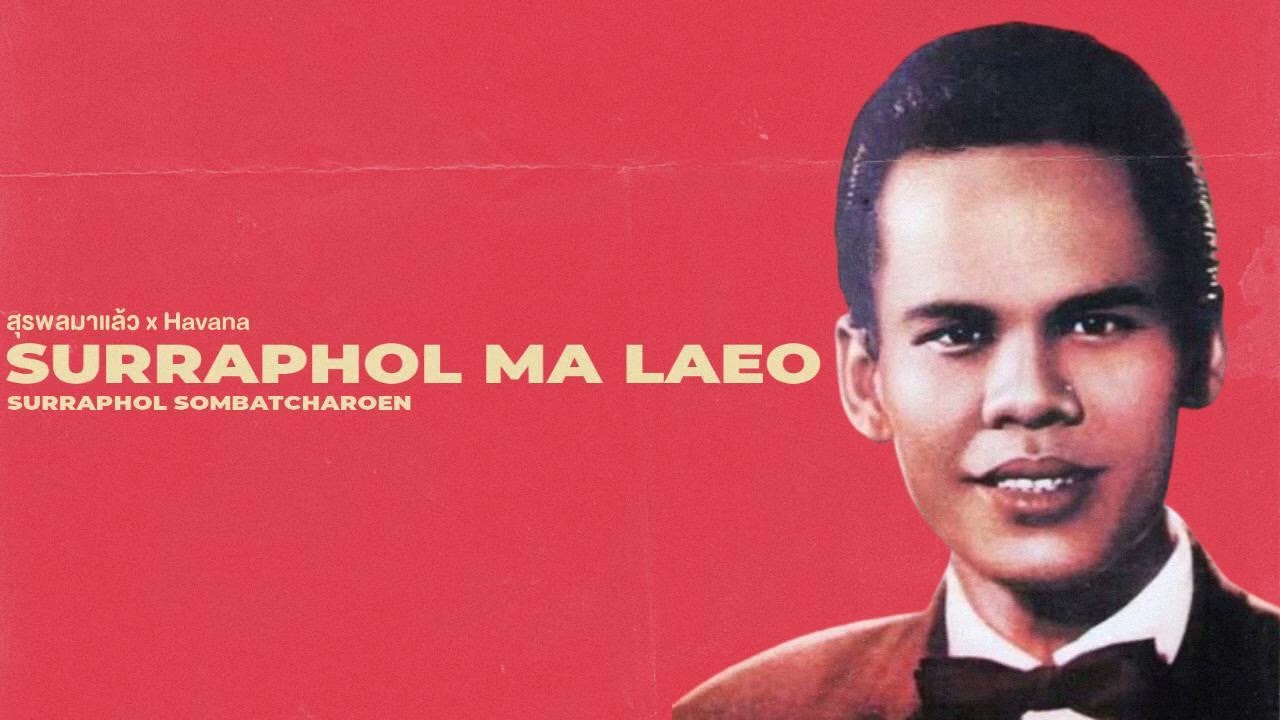
Suraphol Sombatcharoen was a Thai luk thung singer, actor, and composer, widely celebrated as the "King of Luk Thung." Born Lamduan Sombatcharoen on September 25, 1930, in Suphan Buri Province, he revolutionized Thai country music with his emotive voice, socially conscious lyrics, and innovative fusion of rural melodies with Latin rhythms and rock and roll. During the 1960s, he was the most famous performer in Thailand, often compared to Elvis Presley for his massive popularity.
His music spoke directly to the lives of rural Thais, addressing heartbreak, poverty, and everyday struggles with sharp wit and tenderness. He composed over 100 songs, many of which remain beloved classics. His life ended tragically on August 16, 1968, when he was fatally shot while sitting in his car after a performance in Nakhon Pathom. The motive and assailant were never identified. Despite his untimely death at 37, his legacy endures, influencing generations of luk thung artists and earning him a permanent place in Thailand's cultural history.
Early Life & Background
Suraphol Sombatcharoen was born into a wealthy family in Suphan Buri Province in central Thailand. His parents, Wong and Plueng Sombatcharoen, provided a comfortable upbringing, though details of his childhood remain scarce. He later adopted the stage name "Suraphol" as he pursued a career in music.
Before finding fame, Suraphol served as an officer in the Royal Thai Air Force. This military background gave him discipline and structure, and it also exposed him to a variety of musical influences. During his service, he began performing and honing his craft, developing the distinctive style that would later define luk thung. His early exposure to both traditional Thai music and Western genres, including Hollywood film scores and American country, laid the groundwork for his innovative sound. By the early 1950s, he had left the military to focus on music, setting the stage for his breakthrough.
Career Growth
Suraphol's breakthrough came in 1954 with the release of "Nam Ta Sao Wieng" ("Tears of a Lao Girl"), a song that is often credited with marking the emergence of luk thung as a distinct genre. This hit blended Hollywood film music, American country, Malay pop, and Afro-Cuban rhythms, creating a uniquely Thai sound that resonated with rural audiences. Over the next decade, he dominated the Thai music scene, releasing a string of hits including "Sao Suan Taeng" ("The Girl from the Cucumber Field"), "Mong" ("Look"), "Nam Ta Ja Tho" ("The Tears of a Corporal"), "Khong Plom" ("Fake Stuff"), "Muai Cham" ("Broken-Hearted Chinese Girl"), and "Pen Sode Tam Mai" ("Why Are You Still Single").
By the 1960s, Suraphol was the most famous performer in Thailand, earning the nickname "Thai Elvis" for his extraordinary popularity. He also acted in several films, bringing his charisma to the big screen. His final song, "Siphok Pi Haeng Khwam Lang" ("16 Years of Our Past"), released shortly before his death, was a reflective piece about the end of his 16-year marriage. It became one of his most memorable works. His career, though cut short, left an indelible mark on Thai music, professionalizing and popularizing luk thung for generations to come.
Career Timeline
Public Image & Style
Suraphol Sombatcharoen is remembered as the definitive "King of Luk Thung," a title that reflects both his musical mastery and his deep connection to rural Thai audiences. He transformed luk thung from simple folk singing into a polished, professional art form, blending traditional melodies with Latin, mambo, and rock and roll influences. His lyrics spoke directly to the lives of farmers and working-class Thais, addressing heartbreak, poverty, and social issues with honesty and wit. This authenticity resonated profoundly, making him a beloved figure across the countryside. His charisma and stage presence earned him comparisons to Elvis Presley, and his influence can be heard in every luk thung artist who followed. Fans continue to honor his memory through his timeless songs, which remain staples of Thai country music.
Fame & Fandom (iFAMOUS Rankings)
Suraphol Sombatcharoen left behind a legacy defined not by modern digital organizing or active fan clubs, but by a deep, enduring reverence across Thailand that treats him as a cultural monument rather than a mere pop star. His audience consists primarily of the general public and music historians who maintain his memory through annual festivals in his birthplace and the continued performance of his work, yet no formal name has ever been assigned to this collective group. The narrative surrounding his life is often overshadowed by the tragic circumstances of his assassination in 1968, an event so shocking it reportedly displaced global news headlines and cemented his status as a folk martyr for generations.
In terms of contemporary fame metrics, Suraphol Sombatcharoen remains a significant figure within the iFANN Global Fame Rankings. He is currently the 37th most famous person in Thailand, a new entry this cycle. Furthermore, he holds the standing of the 73rd most famous person from Thailand, a ranking that has held steady from the previous cycle. These placements underscore his enduring relevance in a landscape dominated by living artists, proving that his influence transcends the era in which he performed.
Interesting Facts and Legends
Suraphol Sombatcharoen's real name was Lamduan, a name he changed to Suraphol for his stage career. He served in the Royal Thai Air Force before becoming a musician, a background that earned him the nickname "Air Force Suraphol" among early fans. He was one of the first Thai artists to incorporate Latin rhythms, mambo, and American rock and roll into traditional rural melodies, a fusion that defined luk thung. His song "Siphok Pi Haeng Khwam Lang" ("16 Years of Our Past") was written as a personal reflection on his own divorce, making it one of the most autobiographical songs in Thai music history. His grandson, Surabodin, made his luk thung debut on the 33rd anniversary of Suraphol's death, singing that very song at the Thailand Cultural Centre in 2001.
A central pillar of his legend is the verified account of his assassination on August 16, 1968, where he was shot while sitting in his car. This event caused such a massive national reaction that it reportedly pushed world issues to second place in the news cycle, transforming him from a popular singer into a permanent folk martyr. Contemporary reports described the incident as stunning the nation, creating a mythological stature that persists in Thai culture today. Unlike modern idols whose legends rely on viral moments, Suraphol's story is defined by the abrupt end of his life at age 37 and the subsequent global recognition of his death.
Family & Personal Life
Suraphol Sombatcharoen was born to Wong and Plueng Sombatcharoen in Suphan Buri Province. He was married for 16 years, a marriage that ended in divorce, as poignantly reflected in his final song "Siphok Pi Haeng Khwam Lang" ("16 Years of Our Past"). He had at least two sons, Surachai and Surachart Sombatcharoen. His grandson Surabodin, the son of Surachai, followed in his footsteps as a luk thung singer, debuting on the 33rd anniversary of Suraphol's death. The family has continued to preserve and perform his music, keeping his legacy alive across generations.
Notable Connections
Suraphol Sombatcharoen's musical legacy is intertwined with the development of luk thung, a genre he helped define. His contemporaries and successors in Thai country music include Pongsri Woranuch, Sayan Sanya, Pumpuang Duangjan, Yodrak Salakjai, and Mitr Chaibancha. His family, particularly his sons Surachai and Surachart and his grandson Surabodin, have carried on his musical tradition, ensuring his songs remain a vital part of Thailand's cultural heritage.
Relationships & Dating History
Suraphol Sombatcharoen was married for 16 years, a union that ended in divorce. The marriage, which produced at least two sons, Surachai and Surachart, was the central relationship of his life. He channeled the emotional weight of its dissolution into his final song, "Siphok Pi Haeng Khwam Lang" ("16 Years of Our Past"), which explicitly reflected on the happiness and bitterness of the relationship. There is no public record of other romantic partnerships. At the time of his death in 1968, he was divorced.
- DivorcedMarried for 16 years, ended in divorce. Reflected in his final song.
Death & Aftermath
Died
August 16, 1968 (aged 37)
Death Place
Nakhon Phanom Province, Thailand
Cause of Death
Homicide by gunshot wounds
The official record states that Suraphol Sombatcharoen was shot to death while driving his vehicle in Nakhon Phanom Province on August 16, 1968. While a New York Times entry from the era lists the date as August 17, biographical consensus and military records confirm the fatal incident occurred on the 16th. The singer was ambushed near Ban Phai or in the vicinity of Nakhon Phanom shortly after performing a concert, with reports indicating he was returning from a performance in Udon Thani when the attack took place. The cause of death is recorded as homicide by gunshot wounds.
Suraphol's death triggered an unprecedented national mourning in Thailand. The New York Times reported that the news stunned Thailand, with world issues taking a second place to the folk hero's passing. This massive outpouring of grief cemented his status as a legend and marked a defining moment in Thai cultural history. Modern tributes include mentions in music festivals, such as the Suphan Buri music fest which honors him alongside other legends like Poompuang Duangchan.
His legacy continues through his extensive discography, which remains popular on streaming platforms like Deezer and YouTube. He has been inducted into various halls of fame and is honored annually in events celebrating his contributions to Luk Thung music. His songs continue to be remixed and covered in modern mashups, ensuring his voice remains active in contemporary culture.
Net Worth (Estate Value)
$10 Million
iFANN Editorial Team estimate
As a deceased artist, Suraphol Sombatcharoen's estate continues to generate income through posthumous releases, licensing, and royalties from his extensive catalog of over 100 songs. His music remains widely popular in Thailand, with his songs frequently covered and featured in media. The estate is managed by his family, who have overseen the preservation of his recordings and the promotion of his legacy. While exact figures are not publicly disclosed, the enduring appeal of his work suggests a steady stream of revenue. Per iFANN's editorial analysis, as of 2026, the estimated value of his estate is around $10 Million, reflecting the lasting commercial viability of his music.
Awards & Accolades
View 3 records, honours and achievementsKnown For
Nam Ta Sao Wieng
1954 · Singer
Sao Suan Taeng
· Singer
Khong Plom
· Singer
Siphok Pi Haeng Khwam Lang
1968 · Singer
Keywords
Sources
Quick Facts
- Profession
- singer, actor, composer
- Born
- September 25, 1930
- Birthplace
- Suphan Buri Province, Thailand
- Died
- August 16, 1968
- Death Place
- Nakhon Pathom, Thailand
- Gender
- Male
- Birth Sign
- Libra
- Known As
- King of Luk Thung
Personal Details
- Full Name
- Lamduan Sombatcharoen
- Children
- Surachai Sombatcharoen, Surachart Sombatcharoen
Frequently Asked Questions
Who was Suraphol Sombatcharoen?
How did Suraphol Sombatcharoen die?
What are Suraphol Sombatcharoen's most famous songs?
Was Suraphol Sombatcharoen married?
What is Suraphol Sombatcharoen's legacy?
Similar People
Join the community
fans discussing