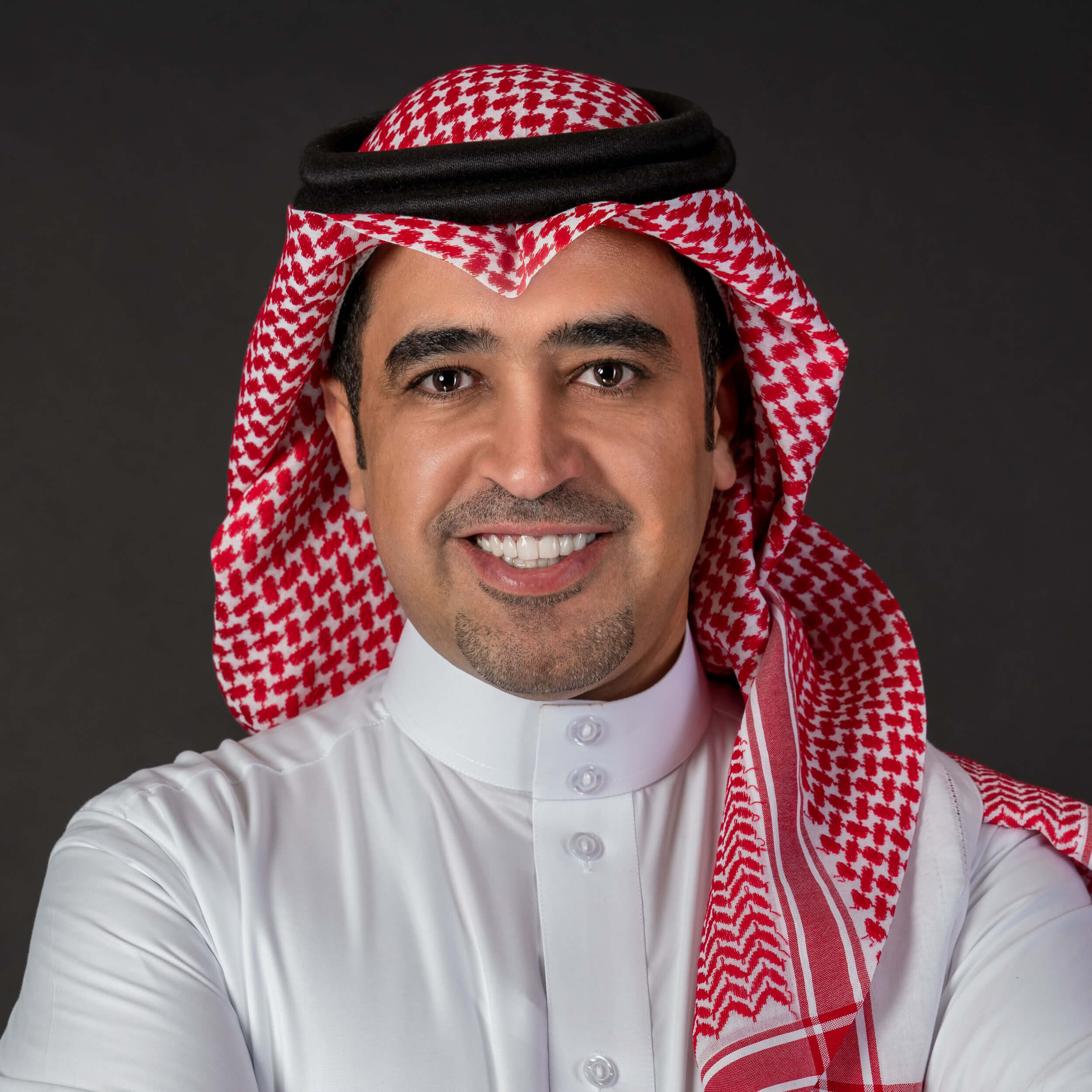
Sultan bin Bajad al-Otaybi
 Saudi Arabia
Tribal leader•military commander
Also known as: Sultan bin Bajad bin Hameed Al Otaibi, Sultan bin Bajad bin Hameed al-Otaybi
Birthday
1876
Birth Sign
Capricorn
Birthplace
Najd, Arabian Peninsula (now Saudi Arabia)
Age
Died at 56
About
Sultan bin Bajad al-Otaybi was a tribal sheikh and a leading commander of the Ikhwan movement in the early 20th century. As the Sheikh of the Otaibah tribe, he played a pivotal role in King Abdulaziz's campaigns to unify the Arabian Peninsula between 1910 and 1927, most notably during the conquest of the Hejaz in 1925. Though illiterate, al-Otaybi was deeply devout and a staunch follower of Wahhabi principles, which made him a powerful and respected figure among the religiously motivated Bedouin fighters.
After the unification, al-Otaybi clashed with King Abdulaziz over the king's decision to halt cross-border raids into neighboring territories. Viewing these raids as holy warfare, al-Otaybi rebelled in 1928. His forces were defeated at the Battle of Sabilla in 1929, and he was captured and imprisoned. He died in captivity in 1932, leaving a legacy as a complex figure who embodied the tension between religious zeal and the demands of modern state-building.
Early Life & Background
Sultan bin Bajad al-Otaybi was born in 1876 in the Najd region of the Arabian Peninsula, an area now central to Saudi Arabia. He was raised in the fierce Bedouin culture of the Otaibah tribe, where martial skill and religious devotion were highly valued. Despite being illiterate, he developed a deep knowledge of Islamic teachings through oral tradition and became a charismatic speaker who could mobilize thousands of fighters with his interpretations of Wahhabi doctrine.
His upbringing instilled in him a strict, uncompromising interpretation of Islam, which later defined his military and political ideology. Before rising to prominence, he established himself as a respected figure within the Otaibah tribe, eventually becoming its Sheikh. His early life was marked by the harsh realities of desert life, including tribal conflicts and the struggle for resources, which shaped his later determination and leadership style.
Career Growth
Al-Otaybi's career was defined by his role as a commander in the Ikhwan, a religiously motivated tribal army formed in the 1910s. The Ikhwan were instrumental in King Abdulaziz's campaigns to consolidate control over the Arabian Peninsula. Al-Otaybi led the Otaibah contingent with distinction, participating in the conquest of the Hejaz in 1925. His forces were known for their zeal and effectiveness in battle, making him one of the most feared and respected commanders of the period.
Following the consolidation of power, Ibn Saud sought to curb the Ikhwan's cross-border raids into Kuwait and Iraq, viewing them as destabilizing. Al-Otaybi, along with other Ikhwan leaders such as Faisal Al Duwaish, viewed these raids as holy warfare and perceived the king's restrictions as a betrayal. In 1928, tensions escalated into open rebellion. Al-Otaybi's forces were decisively defeated at the Battle of Sabilla in January 1929, and he was captured and imprisoned. He died in captivity in 1932.
Career Timeline
Public Image & Style
Historical descriptions and drawings depict al-Otaybi as a man with a long beard, wearing traditional Arab attire, including a headpiece and often carrying a sword. His public image was that of a devout, stern, and uncompromising religious leader. Media portrayals in modern times view him as a tragic figure of the past, a man whose rigid adherence to tradition prevented him from adapting to the new political reality of Saudi Arabia.
Among historians, he is remembered as a zealous warrior whose unwavering devotion to his faith and tribe clashed with the pragmatic demands of modern state-building. His story provides a window into the turbulent transition from tribal warfare to a centralized nation-state in the Arabian Peninsula.
Fame & Fandom
Sultan bin Bajad al-Otaybi commands no modern fanbase, nor does he possess a formal fandom name or a community of digital devotees. He remains a figure of history rather than pop culture, with no documented campaigns, birthday billboards, or viral rituals surrounding his memory. The audience that engages with his legacy consists entirely of historians and scholars studying the unification of Saudi Arabia, not a contemporary following driven by social media or celebrity worship. While some historical figures have spawned subreddits or fan wikis, al-Otaybi's story is anchored in the brutal realities of early 20th-century tribal warfare and religious politics, leaving no room for the performative adoration seen in modern entertainment. In August 2026, the iFANN Global Fame Engine evaluated his standing across global metrics. Sultan bin Bajad al-Otaybi has been evaluated but currently holds no placement in the published rankings (Global Top 1,000 or a Top-100 scope list). This reflects his status as a significant historical actor rather than a trending icon. His fame is static, rooted in the past, and measured by archival presence rather than current consumption signals. The evaluation confirms that while his name appears in academic texts and regional histories, it lacks the widespread search volume required to crack higher tiers of global celebrity rankings.
Interesting Facts and Legends
Despite being illiterate, al-Otaybi possessed a magnetic charisma that allowed him to mobilize thousands of fighters through powerful religious interpretations. He was part of a broader group of Ikhwan leaders who felt betrayed by Ibn Saud, including Faisal Al Duwaish, yet his rebellion stood out due to his command of the Otaibah tribe. A drawing of him with a sword remains one of the few visual representations available in public archives. His personal seal and traditional attire, including the ghutra and shemagh, are depicted in historical records. His followers called him "Sultan of the Desert," a nickname reflecting his commanding presence. He was known to recite poetry that inspired his troops before battles. Historical narratives highlight his leadership of the Ikhwan movement, which supported King Abdulaziz in unifying the Arabian Peninsula. A central event in his biography is his open rebellion against the Al Saud forces after accusing them of betraying their cause regarding taxes and strict religious interpretations. His most significant military engagement was the Battle of Sabilla, where he led rebel forces against the Al Saud army. Following the conflict, he was captured and imprisoned, dying in custody in 1932. These events form the core of his legacy, recorded as historical facts rather than folklore.
Family & Personal Life
Sultan bin Bajad al-Otaybi's family life was intertwined with the Saudi royal family. One of his daughters married Muhammad bin Abdul Rahman, the half-brother of King Abdulaziz. This marriage served as a strategic alliance, binding the Otaibah tribe more closely to the House of Saud, although it ultimately could not prevent the conflict between al-Otaybi and the king regarding the Ikhwan's future.
Details about his parents, siblings, and other children are scarce in historical records. His personal life was defined by tribal alliances and polygamous practices common among sheikhs of his time. The marriage of his daughter to Muhammad bin Abdul Rahman produced descendants within the royal family, linking his lineage to the Saudi dynasty.
Notable Connections
Sultan bin Bajad al-Otaybi is associated with the Ikhwan movement and its other leaders, such as Faisal Al Duwaish. He is also associated with King Abdulaziz, with whom he had a complex relationship that shifted from alliance to rebellion. His tribal affiliation with the Otaibah tribe is central to his identity.
Relationships & Dating History
Sultan bin Bajad al-Otaybi's personal life is documented primarily through his strategic marriage alliances. One of his daughters married Muhammad bin Abdul Rahman, the half-brother of King Abdulaziz, which served to bind the Otaibah tribe to the House of Saud. This marriage, however, did not prevent the eventual conflict between al-Otaybi and the king.
There are no records of other specific romantic partners, engagements, or divorces. The concept of "dating history" in the modern sense does not apply; his marital status was defined by tribal alliances and polygamous practices common among sheikhs of his time. At the time of his death, he was married, though the identity of his wife or wives is not recorded.
- MarriedUnknownMarital status as a sheikh, with at least one daughter.
Death & Aftermath
Died
1932 (aged 56)
Death Place
Unknown
Cause of Death
Unknown
Historical accounts place his final days in captivity following the decisive defeat at the Battle of Sabilla in January 1929. While one tradition locates his passing in Al Artaweeiyah in 1931, the authoritative record confirms he died in prison in 1932, ending a life defined by fierce tribal loyalty and religious conviction.
The political climate following the suppression of the Ikhwan rebellion shaped the immediate aftermath of his death. The estate passed quietly into obscurity.
His legacy survived through the enduring memory of the Ikhwan's struggle against modernization rather than through monuments, foundations, or awards created in his name. He remains referenced in historical encyclopedias and public domain collections as a prominent leader who fell out of favor with King Abdulaziz during the conflicts of 1928, 1929. Future research into specialized archives regarding the Saudi unification wars may yet provide further details on the circumstances surrounding his life and death.
Net Worth (Estate Value)
Given that al-Otaybi lived in the pre-oil boom era of the Arabian Peninsula, there is no modern financial data, net worth estimate, or estate value in dollars. His wealth would have been measured in livestock, land, and tribal resources typical of a Bedouin sheikh of his stature.
There are no posthumous revenue streams, licensing deals, or commercial endorsements associated with him, as his legacy is purely historical and academic. His net worth is not applicable in modern terms.
Awards & Accolades
Known For
Ikhwan movement
1910-1927 · Commander
Conquest of Hejaz
1925 · Military leader
Battle of Sabilla
1929 · Rebel leader
Keywords
Sources
Quick Facts
- Born
- 1876
- Birthplace
- Najd, Arabian Peninsula
- Died
- 1932
- Death Place
- Al Artaweeiyah
- Gender
- Male
- Tribe
- Otaibah
- Role
- Sheikh and Ikhwan commander
Personal Details
- Full Name
- Sultan bin Bajad bin Humaid al-'Utaybi
- Spouse
- Unknown
- Children
- One daughter (name unknown)
- Education
- Illiterate; informal religious education
Frequently Asked Questions
Who was Sultan bin Bajad al-Otaybi?
When did Sultan bin Bajad al-Otaybi die?
Why did Sultan bin Bajad al-Otaybi rebel against King Abdulaziz?
Was Sultan bin Bajad al-Otaybi literate?
Did Sultan bin Bajad al-Otaybi have a relationship with the Saudi royal family?
Join the community
fans discussing