 Indonesia
About
Today, Soneta Group exists primarily as the backing band and creative extension of its founder, H. Rhoma Irama. The group functions without a permanent roster of named members beyond Rhoma himself, relying instead on a rotating cast of talented session vocalists and instrumentalists. This fluid structure allows the music to adapt to new trends while preserving the core identity established in the 1970s. Fans refer to themselves simply as "Penggemar Dangdut" or associate directly with Rhoma's personal following rather than a specific fandom name or color scheme.
Their current era continues to blend the signature *gendang* drum rhythm with electric guitar riffs and synthesizers. While they do not compete on global charts like the Billboard Hot 100, they maintain a massive presence within Indonesia and among the diaspora through streaming platforms and local radio dominance. Recent releases like the 2020 re-imaginings of classic hits demonstrate that the group remains relevant to both older generations and younger listeners discovering the genre online.
Formation Story
The story begins on December 11, 1970, when H. Rhoma Irama gathered a group of musicians at his residence in the Tebet district of South Jakarta. Rhoma had already gained attention as a solo performer but sought to create a full-band sound that could elevate dangdut from local village gatherings to a professional concert experience. He did not hold open auditions or recruit trainees through a centralized agency system common today. Instead, he assembled players who shared his vision of modernizing the genre by integrating rock and disco elements into the traditional Malay folk structure.
The early days were informal, often functioning as a loose collective of friends and fellow musicians. As the band's popularity grew, so did the need for professionalism. Rhoma established Soneta Records to distribute their music independently, ensuring he maintained full creative control over the production and message of his songs. The group quickly became known for their energetic live performances, which blended religious and moralistic themes with catchy, danceable beats. By the late 1970s, the lineup had solidified enough to tour extensively across Indonesia, establishing the "rock-dangdut" sound that would define their career.
Musical Style
Soneta Group's musical evolution tracks closely with the shifting landscape of Indonesian popular music. In their debut era during the early 1970s, the sound was characterized by acoustic instruments and orchestral arrangements that emphasized storytelling and spiritual messages. The lyrics often addressed social issues, morality, and Islamic values, setting a distinct tone that separated them from purely entertainment-focused acts.
By the late 1970s and throughout the 1980s, the group embraced a more aggressive "progressive pop" or "rock-dangdut" style. This period saw the introduction of heavy electric guitar riffs, driving synthesizer lines, and complex drum patterns inspired by bands like Deep Purple and Led Zeppelin. Hits like Badai Fitnah and Puing-Puing exemplify this era, combining the rhythmic backbone of dangdut with the intensity of hard rock. The 1990s and 2000s brought further experimentation with funk, soul, and electronic dance music, yet the core *gendang* rhythm remained the anchor of every track.
Discography
| Title | Year |
|---|---|
| Indonesia Vol. 1 | 1975 |
| Begadang | 1976 |
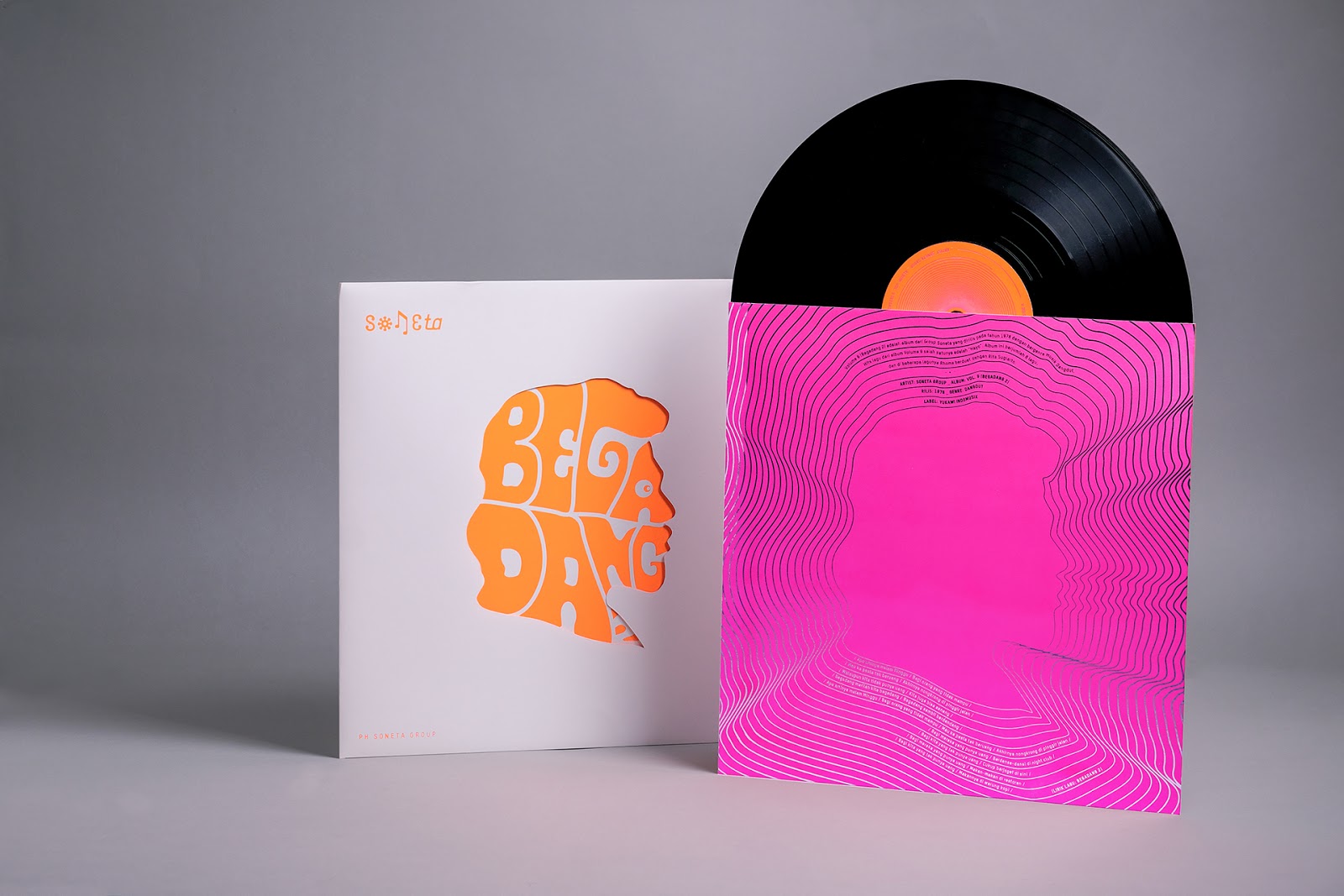
| Soneta Vol. 9 | 1978 |
| Badai Fitnah | 1979 |
| Puing-Puing | 1980 |
| Badai Fitnah (Re-release) | 2020 |
| Puing-Puing (Re-release) | 2020 |
Cultural Impact
Soneta Group played a pivotal role in transforming dangdut from a regional folk style into a national phenomenon. Rhoma Irama used the platform to address social and political issues, often performing at events that bridged the gap between government officials and the general public. A notable example occurred in 2017 when Rhoma performed at the inauguration of Jakarta governor Anies Baswedan, showcasing the genre's acceptance at the highest levels of civic life.
The group also served as a cultural ambassador, spreading Indonesian music across Southeast Asia. Their influence extends beyond music into fashion and lifestyle, with Rhoma's distinctive style inspiring countless fans. Despite never achieving mainstream crossover success in Western markets, their impact on the development of modern Indonesian pop culture is undeniable. They proved that local genres could be modernized and commercialized without losing their cultural roots.
Fandom Culture
Fans of Soneta Group do not operate under a formalized fandom structure with registered names, lightsticks, or official colors. Instead, the community identifies broadly as "Penggemar Dangdut" (Dangdut Fans) or specifically as followers of Rhoma Irama. Traditions center around attending large-scale concerts, participating in community gatherings known as *pengajian*, and supporting the group's charitable initiatives.
Social media serves as the primary hub for fan interaction, managed largely through Rhoma's personal accounts and official pages on Facebook, Instagram, and YouTube. These platforms host music videos, concert footage, and updates on upcoming shows. Fan loyalty is demonstrated through consistent support of album sales and streaming numbers, as well as participation in viral moments such as the 2023 collaboration with Deep Purple, which sparked widespread discussion and renewed interest in the group's catalog.
Awards & Accolades
Milestones
Group founded by Rhoma Irama in Tebet, South Jakarta
Release of landmark album Indonesia Vol. 1
Establishment of Soneta Records for independent distribution
Performance at the inauguration of Jakarta Governor Anies Baswedan
Collaboration with Deep Purple sparks copyright discussion
Trivia
Rhoma Irama earned the nickname "The Rolling Stones of Indonesia" due to the band's fusion of rock and dangdut in the late 1970s., The group does not have a fixed lineup; members change frequently, with only Rhoma remaining a constant presence since 1970., In 2023, Rhoma Irama covered Deep Purple's "Highway Star" during a concert in Indonesia, leading to a brief copyright controversy that was resolved amicably., Soneta Records was founded by Rhoma Irama to ensure independent distribution of his music, bypassing major labels initially., The term "dangdut" derives from the sound of the gendang drum, a central instrument in the group's rhythm section.
Keywords
Sources
Quick Facts
- Formed
- December 11, 1970
- Origin
- Tebet, South Jakarta
- Status
- Active
- Founder
- H. Rhoma Irama
Group Info
- Formed
- December 11, 1970
- Debut
- 1970
- Origin
- Jakarta, Indonesia
- Company
- Rhoma Irama Enterprises
- Label
- Soneta Records, Musica Studios
- Status
- Active
Also Known As
Join the community
fans discussing