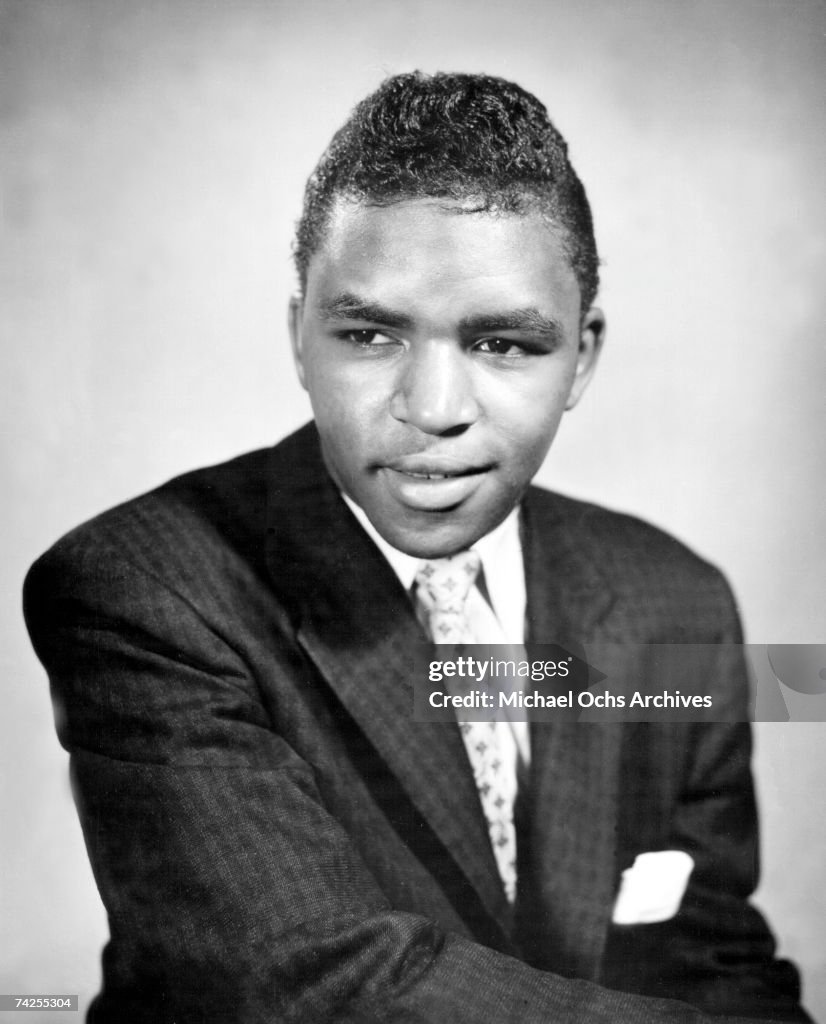
Solomon Burke
 United States
Also known as: King Solomon, King of Rock 'n' Soul, Bishop of Soul
Birthday
March 21, 1940
Birth Sign
Aries
Birthplace
Philadelphia, Pennsylvania, USA
Age
Died at 70
About
Solomon Burke was an American singer, pastor, and guitarist, widely recognized as one of the founding fathers of soul music. Born James Solomon McDonald in Philadelphia, he forged a sound that blended gospel fervor with rhythm and blues, earning him the honorifics "King of Rock 'n' Soul" and "Bishop of Soul." Over a career spanning five decades, he released 38 studio albums, charted 35 singles on the Billboard charts, and sold an estimated 17 million records by 2005.
His signature hits, including "Cry to Me," "If You Need Me," and "Everybody Needs Somebody to Love," became standards, covered by artists from The Rolling Stones to The Blues Brothers. Atlantic Records executive Jerry Wexler called him "the greatest male soul singer of all time." In 2001, he was inducted into the Rock and Roll Hall of Fame, and his 2002 album Don't Give Up on Me won a Grammy for Best Contemporary Blues Album.
Burke's commanding stage presence, often performing from a throne due to his size, made him a larger-than-life figure. He passed away on October 10, 2010, in the Netherlands, at age 70, leaving a legacy that continues to influence singers across genres.
Early Life & Background
Burke's story begins in the church. Growing up in Philadelphia, he was preaching and singing gospel from a young age, developing the vocal power and emotional delivery that would later define his secular work. His mother was a church musician, and his grandmother was a preacher, so the pulpit was a second home. Even as a child, he showed an entrepreneurial streak, organizing neighborhood events and selling goods to make money.
In the 1950s, he began recording for small labels, but his sound remained rooted in gospel. He faced the challenge of transitioning to secular music, a move that was not always accepted in his religious community. However, he saw soul music as an extension of his ministry, a way to reach people with the same fervor he brought to sermons. His early recordings caught the attention of Atlantic Records, but it wasn't until the early 1960s that he found his footing, merging the intensity of gospel with the rhythms of R&B.
His first steps toward fame came with singles like "Christmas Presents" and "Keep the Magic Working," but the breakthrough was still ahead. Burke was not an overnight success; he spent years honing his craft, performing in small clubs and churches, building the foundation for the soul revolution he would soon lead.
Career Growth
Burke's breakthrough arrived in 1962 with the release of "Cry to Me." The song became a classic, and its 1965 cover by The Rolling Stones introduced his work to a rock audience. He followed with a string of hits on Atlantic Records, including "If You Need Me," "Got to Get You Off My Mind," and "Down in the Valley." His music blended gospel, R&B, and country in a way that was uniquely his own.
Despite the rise of psychedelic rock and changing tastes in the late 1960s, Burke continued to record, releasing I Wish I Knew in 1968. He moved between labels frequently, releasing albums on at least 17 different labels over his career. His commercial peak was in the mid-1960s, but he remained a respected figure in soul music.
In the 1980s and 1990s, Burke faded from the mainstream, but a resurgence came in the 2000s. His 2002 album Don't Give Up on Me, featuring songs written by Bob Dylan, Tom Waits, and Brian Wilson, won a Grammy. He performed at the Montreux Jazz Festival in 2006 and continued touring until his death. In 2010, he returned to recording after a decade-long hiatus, working on a new album that was left unfinished when he passed away.
Career Timeline
Public Image & Style
Burke's public persona was that of a regal, larger-than-life figure. He embraced the title "King of Rock 'n' Soul" and often wore a crown and cape on stage. His size led him to perform from a throne, which became an iconic image. He blended sacred and secular themes, moving effortlessly between gospel and soul, which set him apart from his peers. Media portrayals emphasized his warm, commanding voice and his ability to connect with audiences. His fandom spans generations, with his songs covered by rock, soul, and pop artists, ensuring his influence reaches far beyond his own recordings.
Fame & Fandom
Solomon Burke's audience has never coalesced into a single, formally named organization like the modern digital tribes that rally behind contemporary pop stars. Instead, his legacy is sustained by a decentralized community of soul historians, music archivists, and enthusiasts who treat his catalog as essential listening rather than participating in organized fan campaigns or ritualized social media events. Tributes to his memory typically surface through retrospective articles from major music publishers and anniversaries noted by industry journals, marking a quiet but enduring reverence for his contributions to American music. While he lacked a specific moniker for his followers, his influence remains measurable through consistent streaming numbers and the continued coverage of his life story by cultural outlets. The scope of this enduring reach is reflected in his standing within global fame metrics. Solomon Burke is currently ranked as the 7th most famous person in Pastors, a position he holds steady in the latest cycle. This placement underscores his unique dual identity as a secular rock icon and an ordained clergyman. These rankings are part of the iFANN Global Fame Rankings, which track global attention across media coverage, search activity, and consumption signals worldwide. The data confirms his status as a pivotal figure whose name retains significant recognition decades after his passing.
Interesting Facts and Legends
Born James Solomon McDonald, the singer later adopted the name Solomon Vincent McDonald Burke to honor his grandmother. He was an ordained pastor who preached regularly even while touring the world. His business acumen extended beyond music to include ownership of a funeral home and a fast-food franchise. In his later years, Burke weighed over 400 pounds, necessitating that he perform from a throne, a visual trademark that became iconic. He charted 35 singles on the Billboard charts over a career spanning five decades. His song "Everybody Needs Somebody to Love" was famously covered by The Blues Brothers, introducing his work to a new generation. A legendary moment in soul history occurred when Aretha Franklin surprised Burke on stage during a headlining set, joining him in a display of mutual respect that highlighted their shared royalty in the genre. Another widely retold story involves the Rolling Stones covering "Everybody Needs Somebody to Love" in 1964; their version transformed Burke's soul classic into a raw R&B anthem, cementing the song's place in rock history. Despite physical limitations that required assistance to stand, Burke maintained a powerful vocal presence until his death in 2010, leaving behind a mythos built on vocal authority and resilience.
Notable Quotes
“I'm not a singer, I'm a preacher who sings.”
“Soul is a feeling, a way of life.”
“The church was my first stage.”
“I want to reach people's hearts, not just their ears.”
Family & Personal Life
Burke was married multiple times and fathered a large family, though exact details are not widely documented. He was survived by his wife and many children at the time of his death. His family life was intertwined with his music; his children sometimes performed with him. He was known for his generosity toward his extended family, often employing relatives in his business ventures. Burke's faith was central to his home life, and he raised his children with strong religious values.
Notable Connections
Burke was closely associated with Atlantic Records executive Jerry Wexler, who championed his career and called him the greatest male soul singer of all time. He was a contemporary of Otis Redding and James Brown, and together they shaped the sound of soul music. The Rolling Stones covered his song "Cry to Me" in 1965, bringing his work to a wider rock audience. His influence extended to artists like Van Morrison, who cited Burke as a major inspiration.
Relationships & Dating History
Burke's personal life was as rich as his musical career. He married multiple times, though details of each marriage are not fully documented. He was a devoted family man, and his relationships were often kept private. At the time of his death, he was married to his wife, who survived him. He had a large number of children, and his family was central to his life. His relationships were marked by his commitment to his faith and his role as a patriarch. As of 2026, his widow continues to manage his estate, preserving his legacy.
- MarriedUnknown? - 2010Burke was married at the time of his death, but the name of his spouse is not widely documented.
Death & Aftermath
Died
October 10, 2010 (aged 70)
Death Place
Haarlemmermeer, Netherlands
Cause of Death
reported heart attack
Solomon Burke died on October 10, 2010, at approximately 6:30 PM local time while en route to a concert in Haarlemmermeer, Netherlands. The King of Rock 'n' Soul passed away at Schiphol Airport near Amsterdam at the age of 70, with his family confirming via an official statement that the cause was reported as natural causes, specifically a heart attack. Tributes from peers and institutions flowed immediately following the announcement, recognizing him as a founding father of soul music whose influence spanned five decades. Fan vigils were held globally, and interest in his catalog surged with increased sales of classic hits like Cry to Me and Everybody Needs Somebody to Love.
A memorial service attended by fellow musicians and religious figures was held shortly after his death, reflecting his dual career as a pastor and singer. He was laid to rest in his hometown of Philadelphia, Pennsylvania, where he was raised before transitioning to secular soul. Posthumously, his estate continued to generate revenue through catalog royalties and releases, including documentaries exploring his life, while his induction into the Rock and Roll Hall of Fame stands as a lasting honor.
Net Worth (Estate Value)
$5 Million
iFANN Editorial Team estimate
Solomon Burke's net worth at the time of his death is estimated at $5 Million per iFANN's editorial analysis, based on his extensive career and catalog royalties. His income streams historically included record sales, touring revenue, and publishing rights. By 2005, he had sold an estimated 17 million records, and his songs have been covered by numerous artists, generating ongoing royalties. After his death, his estate continues to earn from streaming, licensing, and reissues of his extensive catalog of 38 albums. The estate is managed by his family, who have overseen the release of posthumous collections and the licensing of his music for film and television. As of 2026, the estate's value is estimated at $5 Million, reflecting the enduring appeal of his music.
Awards Won (2)
Burke won a Grammy Award for Best Contemporary Blues Album for Don't Give Up on Me in 2003. He was also inducted into the Rock and Roll Hall of Fame in 2001, a recognition of his foundational role in soul music.
2003 · Best Contemporary Blues Album
Don't Give Up on Me
2001 · Performer
Induction
Known For
Cry to Me
1962 · Performer
Everybody Needs Somebody to Love
1964 · Performer
Don't Give Up on Me
2002 · Album
Keywords
Sources
Quick Facts
- Profession
- singer, pastor, guitarist
- Born
- March 21, 1940
- Birthplace
- Philadelphia, Pennsylvania, USA
- Died
- October 10, 2010
- Death Place
- Haarlemmermeer, Netherlands
- Gender
- Male
- Birth Sign
- Aries
Personal Details
- Full Name
- James Solomon McDonald
Frequently Asked Questions
What was Solomon Burke's net worth when he died?
How many children did Solomon Burke have?
Was Solomon Burke a preacher?
What is Solomon Burke's most famous song?
How did Solomon Burke die?
Social Media
Similar People
Join the community
fans discussing