 United States
About
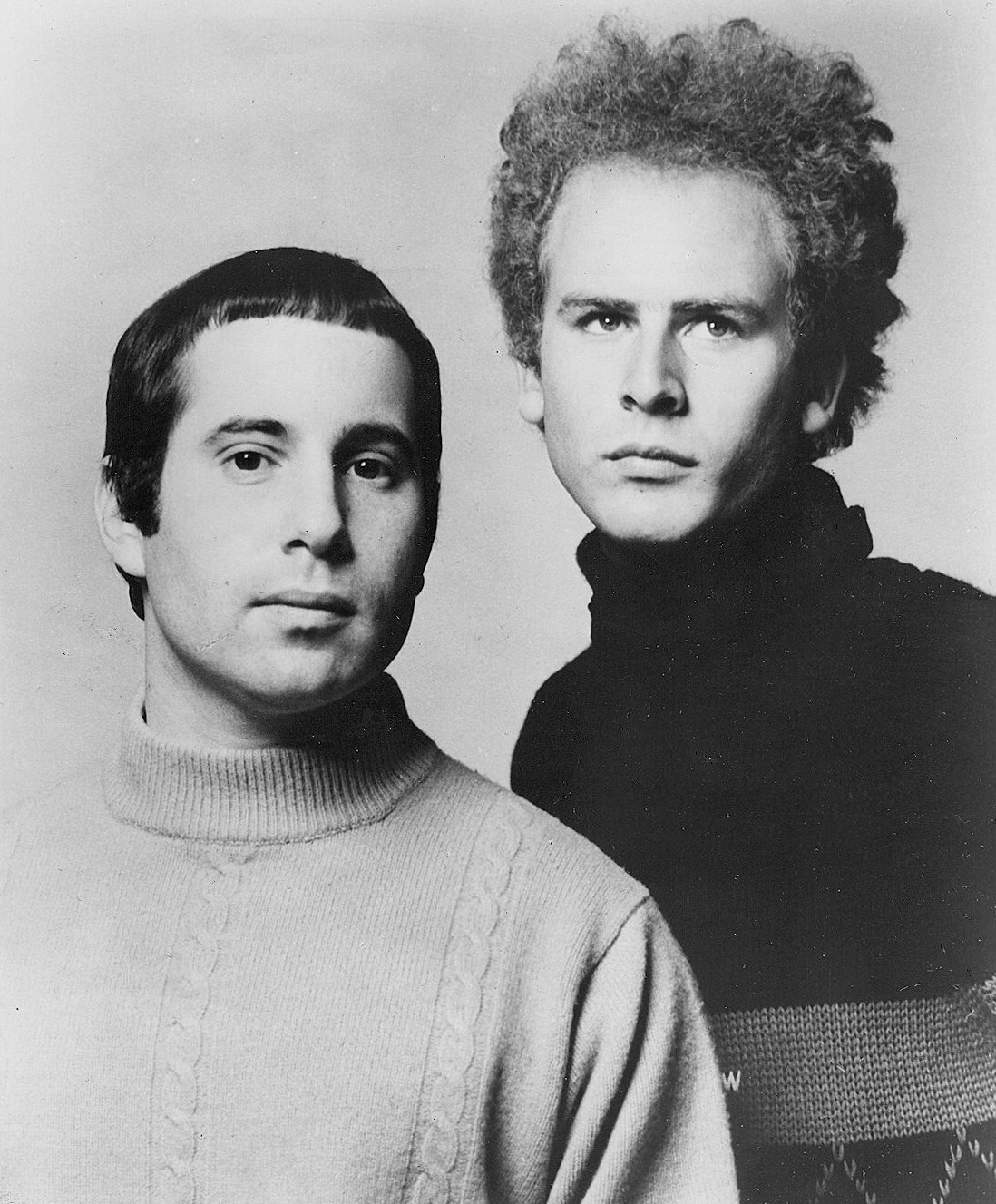
Simon & Garfunkel was an American folk-rock duo from Queens, New York, comprised of Paul Simon and Art Garfunkel. They are remembered as one of the most successful musical acts of the 1960s, with three U.S. number-one singles, including "The Sound of Silence" and the two Record of the Year Grammy winners "Mrs. Robinson" and "Bridge over Troubled Water." Their intricate harmonies and Simon's literate songwriting made them a defining voice of the decade.
Though the duo officially disbanded in 1970, their music has never really left the airwaves. They have reunited several times, most notably for the 1981 Concert in Central Park that drew over 500,000 people. Their catalog remains commercially vibrant, and they have sold more than 100 million records worldwide. In 1990, they were inducted into the Rock and Roll Hall of Fame, and Rolling Stone ranked them 40th on its 2010 list of the Greatest Artists of All Time.
Today, Simon & Garfunkel exist as a legacy act. Paul Simon continues a celebrated solo career, while Art Garfunkel occasionally performs and records. A 2025 dinner reunion between the two, marked by tears and hugs, offered fans a heartwarming glimpse of reconciliation. Their influence on folk rock and popular music remains profound, and their songs continue to resonate with new generations.
Formation Story
Paul Simon and Art Garfunkel first crossed paths in 1953 at Parsons Junior High School in Queens, where a school play revealed their natural ability to harmonize. They quickly became friends, bonding over a shared love of the Everly Brothers. As teenagers, they recorded under the name Tom & Jerry, scoring a minor hit with "Hey Schoolgirl" in 1957. The song's success was fleeting, and the pair drifted apart, with Simon writing songs in New York and Garfunkel heading to Columbia University.
In 1963, they reunited and signed with Columbia Records as Simon & Garfunkel. Their debut album, Wednesday Morning, 3 A.M., released in October 1964, was a commercial disappointment. Simon, discouraged, moved to England to pursue a solo career while Garfunkel returned to his studies. The turning point came in 1965 when producer Tom Wilson, without Simon's knowledge, overdubbed electric instruments onto "The Sound of Silence" in a secret session. The remix became a surprise number-one hit, catapulting the duo back together.
The success of "The Sound of Silence" forced Simon to return from England, and the duo quickly recorded their second album, Sounds of Silence, in 1966. They toured colleges nationwide, building a dedicated following. Their third album, Parsley, Sage, Rosemary and Thyme, released later that year, gave them more creative control and included the haunting "Scarborough Fair/Canticle." The duo's music found a larger audience when director Mike Nichols used several of their songs in the 1967 film The Graduate, including the iconic "Mrs. Robinson." The soundtrack album and their 1968 album Bookends both reached number one, cementing their status as stars.
Members
Musical Style
Simon & Garfunkel's sound evolved from traditional folk to a sophisticated blend of folk rock, baroque pop, and psychedelic folk. Their early work on Wednesday Morning, 3 A.M. was steeped in acoustic folk, but the electric remix of "The Sound of Silence" introduced a fuller, rock-influenced production. Subsequent albums like Sounds of Silence and Parsley, Sage, Rosemary and Thyme showcased Simon's increasingly literate lyrics, exploring themes of alienation, communication, and social consciousness. The duo's signature was their intricate vocal harmonies, with Garfunkel's soaring tenor providing a perfect counterpoint to Simon's more conversational delivery.
Bookends (1968) marked their most ambitious work, a concept album about the journey from youth to old age. The production incorporated orchestral arrangements and experimental studio techniques. Their final studio album, Bridge over Troubled Water (1970), expanded their palette to include gospel, pop, and orchestral sounds, highlighted by the majestic title track and the Latin-tinged "Cecilia." Throughout their career, Simon's songwriting remained the driving force, while Garfunkel's voice gave the songs an ethereal quality that made them instantly recognizable.
Discography
| Title | Year |
|---|---|
| Bridge over Troubled Water | 1970 |
| Bookends | 1968 |
| The Graduate (Soundtrack) | 1968 |
| Parsley, Sage, Rosemary and Thyme | 1966 |
| Sounds of Silence | 1966 |
| Wednesday Morning, 3 A.M. | 1964 |
Tours
Old Friends Tour
2003
Concert in Central Park
1981 · 1 shows
College Tour
1966
Cultural Impact
Simon & Garfunkel's music became the soundtrack of a generation, addressing the anxieties and hopes of the 1960s. Songs like "The Sound of Silence" and "The Boxer" captured the alienation and resilience of the era, resonating with the counterculture and mainstream audiences alike. Their use in Mike Nichols's The Graduate was groundbreaking, demonstrating how popular music could enhance cinematic storytelling and influence film soundtracks for decades to come.
Their influence extends across genres, from folk rock to indie and beyond. They are credited with helping to define the folk-rock sound that dominated the late 1960s. Their harmonies and songwriting have been cited as an inspiration by countless artists, including Graham Nash, who called a 1968 track a "masterpiece." The duo's success also paved the way for other singer-songwriter duos and highlighted the commercial potential of introspective, poetic lyrics. Their music remains a staple of radio playlists, film soundtracks, and tribute acts, ensuring their legacy endures.
Fandom Culture
Simon & Garfunkel fans, often referred to as "Simon and Garfunkel enthusiasts," are a dedicated and passionate community. They have kept the duo's music alive through tribute acts like "The Simon & Garfunkel Story," an international hit show that chronicles their origins and career. Fan gatherings and online forums celebrate the duo's harmonies and Simon's songwriting, with discussions often focusing on the nuances of their recordings and the emotional depth of their lyrics.
The 1981 Concert in Central Park remains a legendary moment for fans, with over 500,000 attendees, and the live album from that night is a cherished keepsake. Fan projects include compiling bootlegs, sharing rare recordings, and organizing listening parties for anniversaries of their albums. The duo's official social media presence keeps fans updated on any reunions or reissues, and their YouTube channel provides a wealth of official music videos and live performances. The enduring appeal of their music is a testament to the deep connection fans feel to their songs.
Awards Won (27)
Simon & Garfunkel won seven Grammy Awards during their career, including two for Record of the Year. Their honors span from 1969 to 1971, with "Mrs. Robinson" and "Bridge over Troubled Water" earning top accolades. They also received four Grammy Hall of Fame Awards for recordings of lasting significance.
Record of the Year
for: Bridge over Troubled Water
Album of the Year
for: Bridge over Troubled Water
Best Contemporary Song
for: Bridge over Troubled Water
Best Arrangement Accompanying Vocalists
for: Bridge over Troubled Water
Best Engineered Recording
for: Bridge over Troubled Water
Record of the Year
for: Mrs. Robinson
Best Contemporary Pop Performance by a Duo or Group
for: Mrs. Robinson
for: "The Sound of Silence"
for: "Mrs. Robinson"
for: "Bridge over Troubled Water"
Milestones
Released debut single "Hey Schoolgirl" as Tom & Jerry
Released debut album Wednesday Morning, 3 A.M.
"The Sound of Silence" remix hits #1
Released Bookends and The Graduate soundtrack, both #1
Released Bridge over Troubled Water; duo breaks up
Reunion concert in Central Park draws over 500,000
Inducted into Rock and Roll Hall of Fame
Fame & Fandom
Trivia
The duo's first taste of fame came as teenagers under the name Tom & Jerry, a nod to the cartoon cat and mouse. They even appeared on American Bandstand, lip-syncing to "Hey Schoolgirl."
The remix of "The Sound of Silence" that became a hit was created without Paul Simon's knowledge. Producer Tom Wilson overdubbed electric instruments in a secret session, and Simon only learned about it after the single was already climbing the charts.
Art Garfunkel pursued a master's degree in mathematics education at Columbia University during the duo's early years, a far cry from his eventual career in music.
"The Boxer" features a piccolo trumpet, played by Ernie Royal, adding a distinctive brass color to the song's otherwise acoustic arrangement.
In 2026, a rare two-headed gecko was named "Simon and Garfunkel" after the duo, with caretakers noting that "the left head is a bit more grumpy."
Keywords
Sources
Quick Facts
- Type
- Duo
- Formed
- +1957-01-01
- Origin
- United States, Queens, Forest Hills
- Label
- Columbia Records
- Genres
- folk rock, soft rock, folk-pop, psychedelic folk
- Members
- 2
- Status
- Active
Group Info
- Formed
- 1957-01-01
- Debut
- 1964-10-19
- Debut Song
- Hey Schoolgirl
- Origin
- United States, Queens, Forest Hills
- Company
- Columbia Records
- Label
- Columbia Records
- Status
- Disbanded (1970-01-01)
Also Known As
Join the community
fans discussing