 Taiwan
About
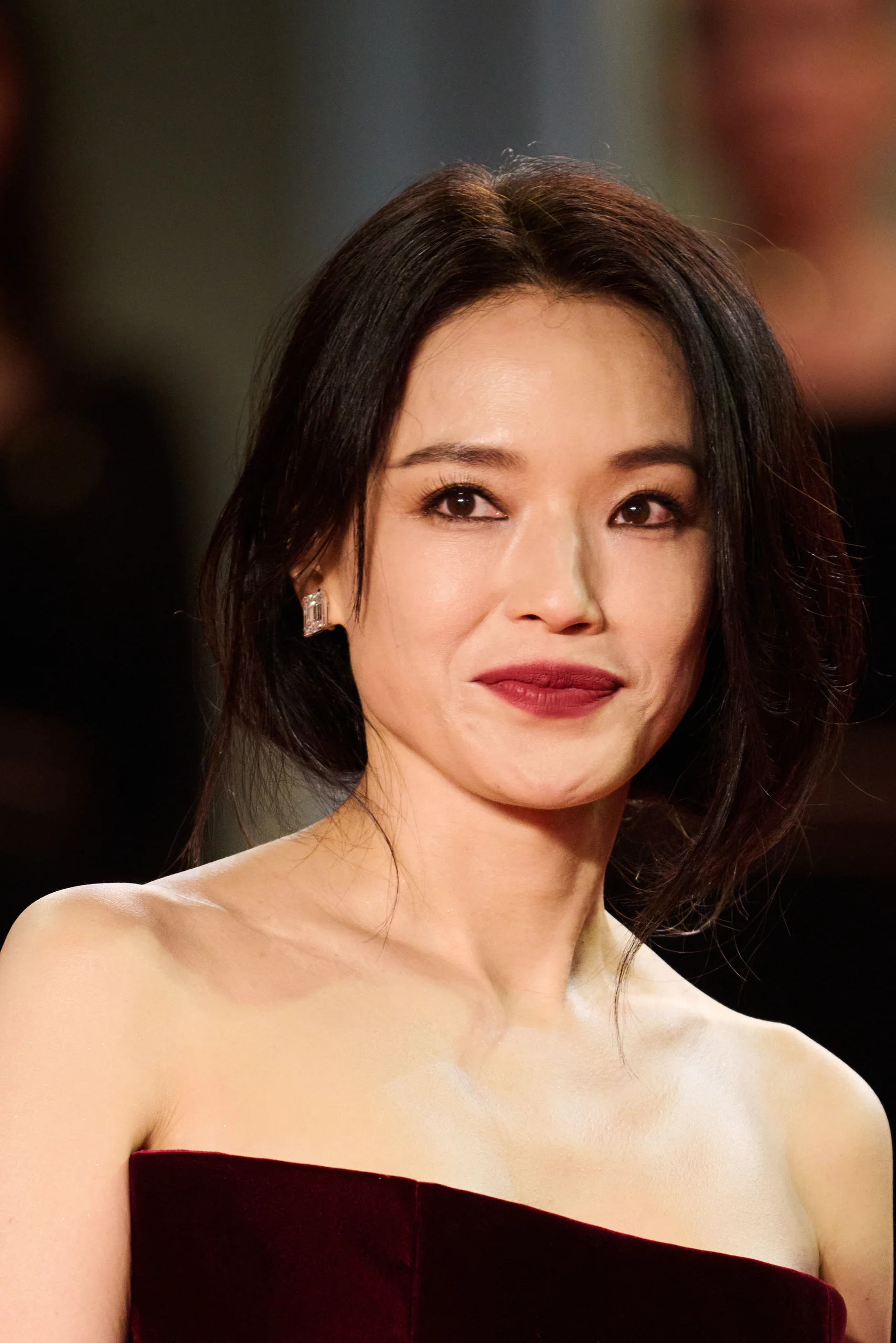
Lin Li-hui, known to the world as Shu Qi, is a Taiwanese actress, filmmaker, singer, and model who has become one of the most respected and versatile performers in Asian cinema. Born on April 16, 1976, in the Xindian District of New Taipei City, she started as a model before breaking into acting with the 1996 film Viva Erotica, which earned her the Hong Kong Film Award for Best New Performer. Over the past three decades, she has built a remarkable career that spans more than 80 films, seamlessly moving between arthouse gems and commercial blockbusters.
Shu Qi's filmography includes collaborations with legendary director Hou Hsiao-hsien on Millennium Mambo (2001), Three Times (2005), and The Assassin (2015), the latter winning her the Golden Horse Award for Best Actress. She has also starred in major hits like If You Are the One (2008), Journey to the West: Conquering the Demons (2013), and Gone with the Bullets (2014). In 2025, she made her directorial debut with Girl, which premiered at the Venice Film Festival and won Best Director at the Busan International Film Festival.
Beyond her on-screen work, Shu Qi has served on the main juries at the Berlinale, Cannes, and Venice Film Festivals, a rare honor that underscores her global standing. Her trophy case includes four Hong Kong Film Awards, three Golden Horse Awards, and an Asian Film Award. She has also been a fixture on the Forbes China Celebrity 100 list, ranking as high as 18th in 2013. Shu Qi remains a powerful and influential presence in the entertainment world, consistently challenging herself as an artist.
Early Life & Background
Shu Qi grew up in Taiwan under modest circumstances, her childhood marked by financial hardship. She left home as a teenager, a decision that would set her on an unconventional path. Her first steps into the entertainment world came through a modeling agency in Taichung, where she began doing commercial and print work in the mid-1990s.
Early in her career, she dabbled in the adult film industry, a chapter she has spoken about candidly in interviews. This period was brief but formative, and it taught her resilience and the importance of controlling her own narrative. Her modeling work eventually caught the attention of Hong Kong filmmakers, leading to her first acting roles in low-budget productions.
In 1996, she landed a role in Viva Erotica, a film that would change everything. The movie was a critical and commercial success, and her performance earned her the Hong Kong Film Award for Best New Performer. This breakthrough launched her into mainstream stardom, but it was her willingness to take on challenging and unconventional roles that set her apart from her peers.
Career Growth
Shu Qi's breakthrough in Viva Erotica (1996) was just the beginning. The following year, she won the Golden Horse Award for Best Supporting Actress for The Storm Riders, a fantasy epic that was a massive box-office hit across Asia. She continued to build momentum with roles in films like City of Glass (1998) and The Transporter (2002), the latter bringing her international exposure alongside Jason Statham.
In 2001, she began a fruitful collaboration with director Hou Hsiao-hsien, starring in Millennium Mambo, which earned her the Golden Horse Award for Best Actress. Their partnership continued with Three Times (2005) and culminated in The Assassin (2015), for which she won a second Golden Horse Award for Best Actress. These films solidified her reputation as a serious dramatic actress.
Her commercial success expanded with hits like If You Are the One (2008), A Beautiful Life (2011), Journey to the West: Conquering the Demons (2013), and Gone with the Bullets (2014). In 2025, she made her directorial debut with Girl, a semi-autobiographical drama set in 1980s Taipei that premiered at the Venice Film Festival. The film won Best Director at the Busan International Film Festival and opened the Singapore International Film Festival to record-breaking ticket sales. In December 2025, she starred in the gritty rural drama Good Autumn, Mommy, set in 1995 in the sugar cane fields of Guangzhou.
Career Timeline
Public Image & Style
Shu Qi is recognized as one of Asia's most respected screen performers, known for her versatility spanning arthouse gems and commercial blockbusters. Her signature style blends elegance with a fearless approach to challenging roles, from erotic dramas in her early career to auteur-driven festival films and big-budget spectacles.
Media portray her as a powerful and influential presence in the entertainment world, with her jury service at major festivals reinforcing her status as a global cinema figure. Fans admire her for her candor about her past and her commitment to her craft, and she has a reputation for being down-to-earth despite her fame.
Her social media presence, while not overly personal, is a mix of professional updates and glimpses into her life, and she has a dedicated fan base that follows her every move.
Fame & Fandom (iFAMOUS Rankings)
Shu Qi's fanbase operates as a decentralized network of admirers rather than a mobilized legion. There is no formal, registered name for her supporters; they are simply followers who gather on independent platforms like the Instagram page @shuqi_worldwide or the archival site www.ShuQi.org. These hubs function as quiet repositories for her filmography and biography instead of command centers for chart manipulation or charity drives. Unlike stars who orchestrate subway ad campaigns or disrupt streaming numbers with coordinated efforts, Shu Qi's audience defines itself through silent reverence for her artistic evolution. Her relationship with fans remains professional and distant, mirroring her own preference for privacy over celebrity culture. She rarely engages in direct social media interaction, letting her work speak volumes while she maintains a dignified boundary between her personal life and public image. The legends surrounding her are not viral moments but verified narratives of resilience, from shedding her early adult film persona to becoming a Golden Horse Award winner, and her nine-year public struggle with infertility that humanized her beyond the screen. This mythology of quiet endurance has cemented her status without the need for organized fandom wars or inside jokes. Despite this organic following, her global reach is undeniable according to the latest industry metrics. She currently holds the position of the 8th most famous person in Dramas as documented by the iFANN Global Fame Rankings, holding steady from the previous cycle.
Interesting Facts and Legends
Shu Qi has been credited under multiple names internationally, including Hsu Chi and Qi Shu, which often confuses casual observers about her filmography. Before her acting breakthrough, she launched her career through a Taichung modeling agency, a detail frequently overlooked by the general public. Over two decades, she has appeared in more than 80 films and five TV series, an output that rivals many contemporaries. Her directorial debut, Girl, draws heavily from semi-autobiographical elements of her childhood in 1980s Taipei. While she maintains a verified Instagram account, she remains relatively private online, using the platform primarily for promotional purposes. In 2026, The Transporter joined Netflix's streaming lineup, introducing her early international work to a new generation. Beyond the screen, a persistent story tells of her nine-year battle with infertility involving over ten IVF procedures, a narrative that has garnered deep empathy from critics and fans alike. Another recent revelation emerged regarding her marriage to Stephen Fung, where she stated she was friends with all his previous girlfriends before they wed, highlighting her unique approach to relationships. Her collaboration with Hou Hsiao-hsien on Millennium Mambo remains a cornerstone of her legacy, frequently cited in retrospectives as a defining moment in Asian cinema history.
Family & Personal Life
Shu Qi is married to Hong Kong actor and director Stephen Fung. The couple has been together for many years, and their relationship has been a subject of public interest. In a 2026 reality show appearance, Shu Qi revealed details about their love affair, giving fans a rare glimpse into their private life.
She has spoken about prioritizing her career and personal well-being in her relationship, a stance that has earned her respect from fans. The couple does not have children, and they have kept their family life largely out of the spotlight.
Details about her parents and siblings are scarce, as she has chosen to keep her family background private. What is known is that she grew up in modest circumstances and left home as a teenager, which shaped her independent spirit.
Notable Connections
Shu Qi has had a long and fruitful collaboration with director Hou Hsiao-hsien, who directed her in Millennium Mambo, Three Times, and The Assassin. She is married to Hong Kong actor and director Stephen Fung. She co-starred with Jason Statham in The Transporter, and with Chang Chen in The Assassin. Taiwanese artist 9m88 appeared in her directorial debut Girl.
Relationships & Dating History
Shu Qi has been married to Hong Kong actor and director Stephen Fung for many years. The couple has kept their relationship relatively private, but in a 2026 reality show appearance, Shu Qi opened up about their love affair, revealing details about how they met and what keeps their bond strong. She has also spoken about prioritizing her career and personal well-being in the relationship, which has resonated with fans.
Before her marriage, there were few publicly documented relationships, as she has always been discreet about her personal life. Her marriage to Stephen Fung is her known long-term partnership, and as of 2026, they remain married with no reports of separation or divorce.
- MarriedStephen FungCurrentMarried for many years; Shu Qi has spoken publicly about their relationship.
Salary, Net Worth In 2026
$40 Million
iFANN Editorial Team estimate
iFANN currently estimates Shu Qi's net worth at $40 Million as of 2026, a figure reflecting her sustained success across Asian cinema. Her revenue streams are diverse, ranging from film salaries that can reach $5 million per project for a star of her caliber to lucrative endorsement deals with beauty and fashion brands. Her directorial debut, Girl, achieved critical acclaim and opened significant doors behind the camera, though specific box office figures remain unpublicized. Residuals and streaming agreements contribute further to her annual income, highlighted by the addition of The Transporter to Netflix. While she avoids lavish spending habits, she has strategically invested in real estate across Taiwan and Hong Kong, assets that have appreciated substantially over time. This financial standing underscores her longevity and prudent career management in both arthouse and commercial sectors.
Awards Won (21)
Shu Qi has won four Hong Kong Film Awards, including Best New Performer for Viva Erotica. She has won three Golden Horse Awards: Best Supporting Actress for The Storm Riders and Best Actress for both Millennium Mambo and The Assassin. She also won an Asian Film Award and took home Best Director at the Busan International Film Festival for her directorial debut Girl.
1997 · Best Supporting Actress
Viva Erotica
1997 · Best New Performer
Viva Erotica
1998 · Best Supporting Actress
Portland Street Blues
Known For
The Assassin
2015 · Nie Yinniang
Millennium Mambo
2001 · Vicky
Journey to the West: Conquering the Demons
2013 · Duan
If You Are the One
2008 · Xiaoxiao
The Transporter
2002 · Lai
Viva Erotica
1996 · Siu Kwun
Keywords
Sources
Quick Facts
- Profession
- actress, filmmaker, singer, model
- Born
- April 16, 1976
- Birthplace
- Xindian District, New Taipei City, Taiwan
- Gender
- Female
- Spouse
- Stephen Fung
- Birth Sign
- Aries
Personal Details
- Full Name
- Lin Li-hui
- Spouse
- Stephen Fung
Filmography
85
Total
80
Film
5
TV
Frequently Asked Questions
What is Shu Qi's real name?
Who is Shu Qi married to?
What was Shu Qi's directorial debut?
How many films has Shu Qi appeared in?
What awards has Shu Qi won?
Social Media


Join the community
fans discussing