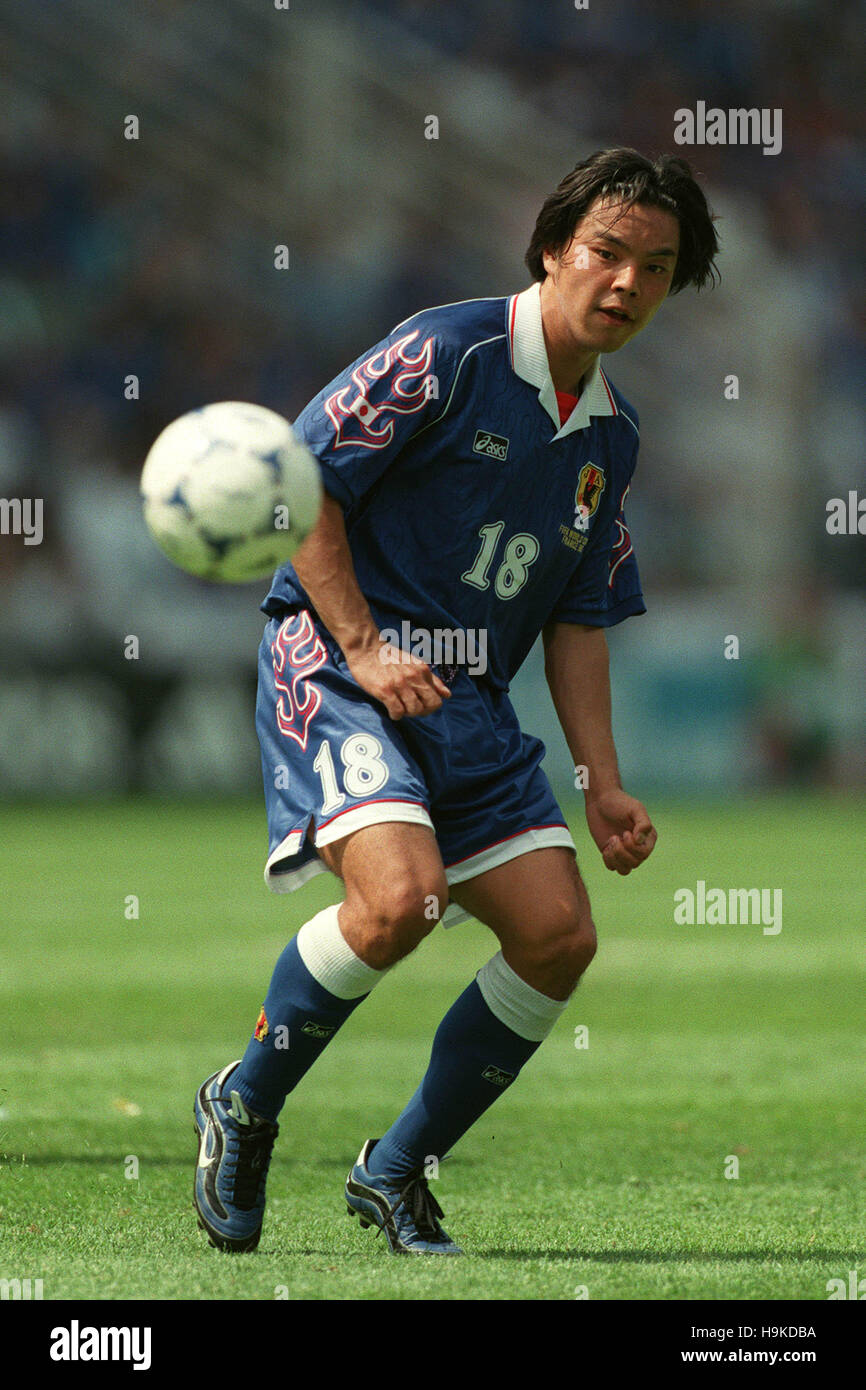
Shoji Jo
 Japan
JapanAlso known as: 城彰二, Shōji Jō
Birthday
June 17, 1975
Birth Sign
Gemini
Birthplace
Muroran, Hokkaido, Japan
Age
51 years old
Height
5 ft 10 in (179 cm)
About
Shoji Jo is a Japanese former professional footballer who played as a forward. Born in Muroran, Hokkaido, he earned 35 caps for Japan, scoring 7 goals, and was part of the squad that reached the Round of 16 at the 2002 FIFA World Cup.
Jo's club career spanned nearly a decade in the J.League, with a brief loan to Spain's Real Valladolid. He won the Emperor's Cup in 1998 with Yokohama Flügels and later became a coach and pundit after retiring in 2003.
Early Life & Background
Jo grew up in Muroran, a port city on Japan's northern island of Hokkaido. The town's industrial backdrop and coastal setting shaped his early years, though details of his childhood remain scarce. He entered the J.League system and signed his first professional contract with JEF United Ichihara in 1994, at age 18.
His early career in Chiba laid the groundwork for his reputation as a quick, sharp-eyed striker. Jo's performances there caught the attention of Yokohama Flügels, who signed him in 1997. That move marked his breakthrough into a more prominent stage of Japanese football.
Career Growth
Jo's time at Yokohama Flügels brought his first major trophy, the Emperor's Cup in 1998. That same year he made his World Cup debut, appearing against Argentina at the Stade de Toulouse. He also featured in the 1999 Copa América, gaining valuable international experience.
In 1999, Jo joined Real Valladolid on loan, becoming one of the early Japanese players in La Liga. After returning to Japan, he played for Yokohama F. Marinos, Vissel Kobe, and finally Yokohama FC before retiring in 2003. In total, he scored over 50 goals in more than 200 J.League matches.
Post-retirement, Jo shifted into coaching and punditry. He has hosted youth football clinics, including one in Koriyama City, and in 2025 participated in the Legend Korea-Japan Match, a series of events celebrating the rivalry between the two nations' football legends.
Career Timeline
Public Image & Style
Jo is remembered as a reliable striker during Japan's rise in international football. His pace and finishing made him a dependable presence up front. In retirement, he has maintained a low-key but respected profile as a coach and commentator, often seen at youth clinics and legends matches.
Fans appreciate his contributions to the national team's progress, especially his role in the 1998 World Cup squad. While he never achieved the global fame of some teammates, his steady career earned him a place in Japanese football history.
Fame & Fandom
Shoji Jo commands a steady, respectful presence within the global football community, recognized primarily by those who track the history of Japanese soccer rather than the general international public. His profile remains anchored in his specific contributions to the national team's rise during the late 1990s and early 2000s. According to the latest evaluation from iFANN, Shoji Jo is currently an evaluated entity that does not hold a placement in the published Global Top 1,000 rankings or any scope-specific top lists. This unranked status reflects a career defined by professional consistency rather than viral celebrity or mass-market fame spikes. While he remains a respected figure in Japan for his time with Yokohama Flügels, Vissel Kobe, and his brief stint in Spain's La Liga, his global attention has not translated into a high-volume ranking position in the current dataset. Regarding his audience, there is no documented formal fandom name for Shoji Jo. Unlike modern pop idols who generate organized fan clubs with specific monikers, Jo's supporters are generally categorized as football historians and former players' enthusiasts. The available records show no evidence of dedicated fan campaigns, ritualistic gatherings, or organized digital mobilization centered on his personal brand. His legacy is maintained through media appearances and coaching clinics rather than a structured fanbase with unique identifiers.
Interesting Facts and Legends
Jo's name in Japanese is written as 城彰二, reflecting his identity as one of the pioneering Japanese forwards to compete in Spain's La Liga during his loan at Real Valladolid. He stands out as a key figure in two major international tournaments: the 1998 FIFA World Cup and the 1999 Copa América. His international record is precise, totaling 7 goals across 35 appearances for the national team. After hanging up his boots, Jo transitioned smoothly into a familiar face within Japanese football media, often seen hosting youth development clinics alongside other former national team players. One of his most significant on-field moments occurred during the 1998 World Cup in Lyon, where he took a shot against Jamaica, cementing his place in the squad that reached the Round of 16. Though he never achieved the global superstardom of some teammates, his reliability as a striker made him a dependable asset during Japan's rapid ascent in international football. Fans continue to appreciate his role in the 1998 campaign, viewing his steady career as a foundation for the nation's future success. His post-retirement work includes participating in legends matches, keeping his connection to the sport alive for new generations.
Family & Personal Life
Notable Connections
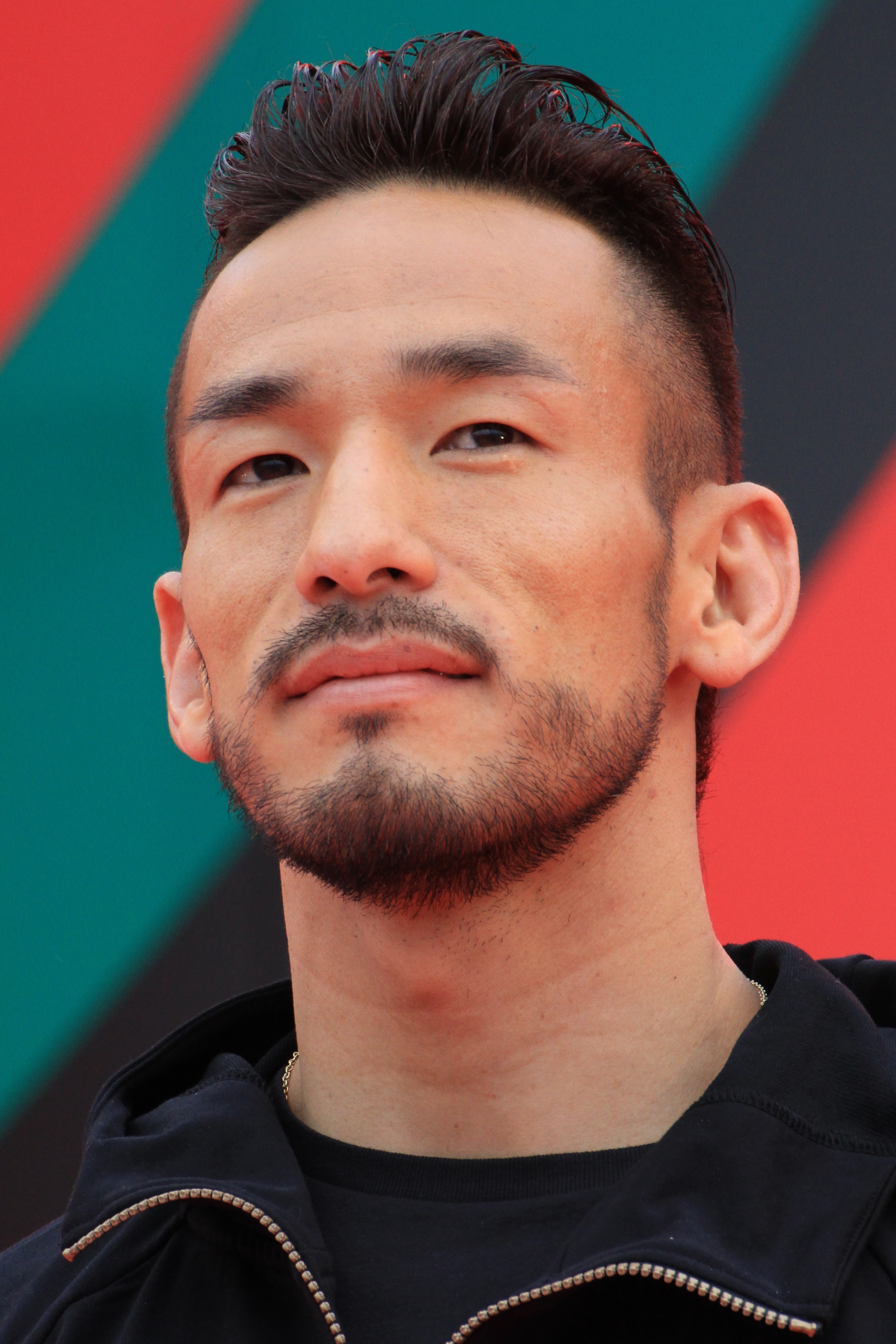
Shoji Jo has crossed paths with several football legends. He was part of the Japan national team during the same era as Hidetoshi Nakata, with whom he later appeared in an SBS special revisiting the Korea-Japan rivalry. In 2025, he took part in the Legend Korea-Japan Match, alongside Korean stars like Park Ji-sung, Lee Young-pyo, and Koo Ja-cheol.
Relationships & Dating History
Salary, Net Worth In 2026
$10 Million
iFANN Editorial Team estimate
iFANN currently estimates Shoji Jo's net worth at $10 million as of 2026. While he retired from professional football, his income stream remains robust, drawing from coaching fees, media punditry, and event hosting engagements. His tenure in the J.League combined with a notable spell in Spain's La Liga established a solid financial base that has sustained him well into retirement. Following his playing days, Jo pivoted successfully into coaching and commentary, roles that ensure his continued activity within the sport's ecosystem. He regularly hosts youth clinics and appears in legends matches, activities that likely contribute significantly to his ongoing earnings. This financial profile reflects a steady, reliable post-playing career built on professional longevity rather than blockbuster endorsement deals.
Awards Won (2)
Shoji Jo's career highlights include winning the Emperor's Cup in 1998 with Yokohama Flügels. He also claimed a Japanese second league championship and finished as the top scorer in that division. These achievements underscore his effectiveness as a forward during his playing days.
1998 · Domestic Cup
Yokohama Flügels
League
Vissel Kobe
Known For
1998 FIFA World Cup
1998 · Forward for Japan
Emperor's Cup
1998 · Winner with Yokohama Flügels
2002 FIFA World Cup
2002 · Squad member for Japan
Keywords
Sources
Quick Facts
- Profession
- Association football player
- Born
- June 17, 1975
- Birthplace
- Muroran, Hokkaido, Japan
- Height
- 5 ft 10 in (179 cm)
- Position
- Forward
- International Caps
- 35
- International Goals
- 7
Personal Details
- Full Name
- 城彰二
- Height
- 5 ft 10 in (179 cm)
Frequently Asked Questions
How old is Shoji Jo?
What position did Shoji Jo play?
How many goals did Shoji Jo score for Japan?
Which clubs did Shoji Jo play for?
Is Shoji Jo retired?
Similar People
Join the community
fans discussing