 Israel
About
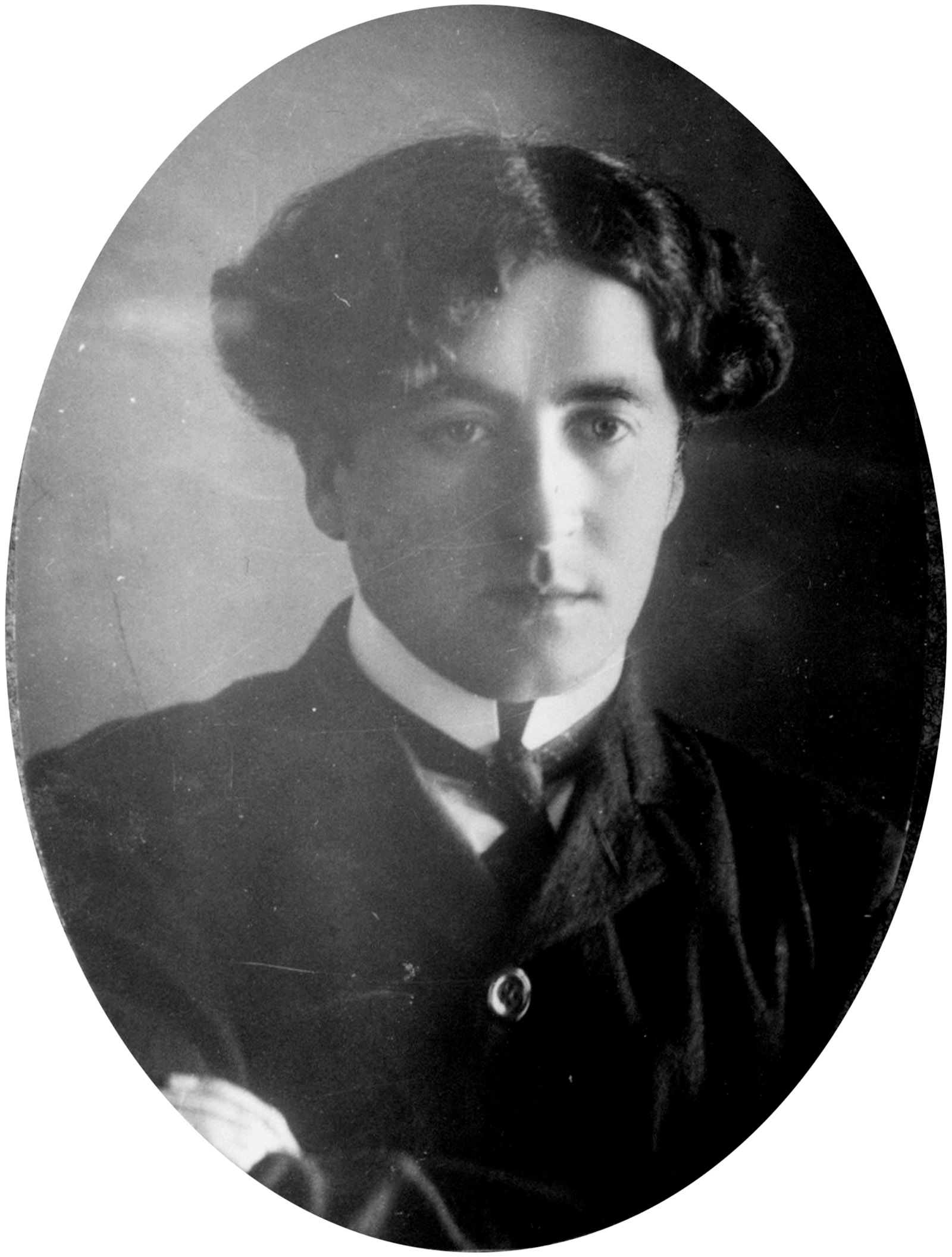
Shmuel Yosef Agnon was an Austro-Hungarian-born Israeli novelist, poet, and short-story writer, and the first Hebrew writer to receive the Nobel Prize in Literature. His works, written in a distinctive blend of modern and rabbinic Hebrew, capture the tension between traditional Jewish life and the modern world, often evoking the fading culture of the European shtetl. Agnon's narrative voice expanded the role of the narrator in literature, and his stories remain central to the Hebrew literary canon.
Born in 1887 in Buchach, Galicia, Agnon immigrated to Mandatory Palestine in his twenties and later settled in Jerusalem, where he lived until his death in 1970. In 1966, he shared the Nobel Prize with poet Nelly Sachs, a recognition of his profound contribution to world literature. Today, Beit Agnon in Jerusalem preserves his legacy, and his works continue to be translated and studied worldwide.
Early Life & Background
Shmuel Yosef Agnon was born on August 8, 1887, in Buchach, a town in Galicia that was then part of the Austro-Hungarian Empire. He grew up in a devout Jewish household, receiving a traditional education that immersed him in Hebrew texts and rabbinic literature. His family's home was a meeting place for scholars and storytellers, which shaped his early imagination and his deep attachment to Jewish tradition.
He began writing in Hebrew and Yiddish as a teenager, publishing his first stories in local periodicals. In 1909, at the age of 22, he immigrated to Jaffa, then part of Ottoman Palestine, where he joined a circle of young Hebrew writers. His early works, such as the story "Agunot," which gave him his pen name, drew on the themes of exile and longing that would define his career. The name Agnon, derived from the word 'agunah,' reflects his interest in the plight of women unable to remarry.
His first years in Palestine were marked by financial struggle, but his literary talent soon caught the attention of Salman Schocken, a wealthy businessman and patron of Hebrew literature, whom he met in 1914. Schocken's support allowed Agnon to focus on writing, and their relationship proved pivotal in his development as an author.
Career Growth
In 1924, Agnon returned to Palestine permanently, settling in Jerusalem. The following years saw the publication of his most significant works, including The Bridal Canopy (1931), a picaresque novel set in eighteenth-century Galicia, and A Guest for the Night (1939), which explores the decline of Jewish life in Eastern Europe after World War I. These novels established him as a leading figure in Hebrew literature, and his reputation grew steadily.
In 1966, Agnon was awarded the Nobel Prize in Literature, sharing it with Nelly Sachs. The Swedish Academy cited his "profoundly characteristic narrative art with motifs from the life of the Jewish people." He remains the only Hebrew writer to have received the prize. His later works, including Shira (published posthumously in 1971), continued to explore themes of faith, desire, and the challenges of modernity.
Agnon's influence extends beyond his own writing. He mentored younger writers and his home became a literary salon in Jerusalem. Today, Beit Agnon, his former residence, serves as a museum and research center dedicated to his work, ensuring that his legacy endures for new generations of readers.
Career Timeline
Public Image & Style
Agnon was regarded as a quiet, scholarly figure, often described as the 'conscience of Hebrew literature.' His public persona was that of a traditional Jew who nonetheless engaged deeply with modernity. He dressed conservatively and observed religious practices, which endeared him to religious readers, while his literary innovations attracted secular admirers.
In Israel, he was a national icon, and his Nobel Prize was celebrated as a validation of Hebrew culture. His image appeared on Israeli currency and postage stamps, and his face became familiar to the public. Yet he remained a private man, rarely giving interviews and preferring to let his work speak for itself.
Fans and scholars admire his ability to weave together humor, irony, and profound spiritual questioning. His stories often feature characters who are pilgrims or travelers, reflecting his own lifelong sense of displacement and search for home.
Fame & Fandom (iFAMOUS Rankings)
Shmuel Yosef Agnon commands a following defined by deep scholarly devotion rather than organized fandom, with no formal collective name for his admirers. His legacy is anchored by Beit Agnon in Jerusalem, a literary shrine where visitors revere the preserved study and library as a sacred space for Jewish culture. While contemporary celebrities often rely on active fan clubs, Agnon's readership consists of academics, translators, and institutions that treat his work as foundational to Hebrew literature. This institutional reverence has sustained his prominence long after his death. In the broader landscape of global recognition, he maintains significant standing according to recent metrics. He is currently the 32nd most famous person in Israel, holding steady from the previous cycle. Furthermore, he ranks as the 48th most famous person from Israel and the 62nd most famous person in Middle East, both also holding steady. These placements reflect enduring attention across media coverage, search activity, and cultural consumption signals worldwide. The iFANN Global Fame Rankings continue to track this consistent influence, noting his status as the only Hebrew writer to receive the Nobel Prize in Literature. His presence remains a constant in regional and national fame charts, reflecting a legacy that transcends the fleeting nature of modern celebrity.
Interesting Facts and Legends
One of Agnon's favorite stories involved his birthday: he often claimed to have been born on Tisha B'Av, the Jewish day of mourning, though his actual birth date was August 8, 1887. He chose the pen name Agnon from the Hebrew word 'agunah,' meaning a woman unable to remarry, reflecting his interest in themes of longing and loss. Agnon was known for his meticulous writing process, often revising his works dozens of times. He wrote in a small, cramped study in his Jerusalem home, surrounded by thousands of books. Despite his international fame, he lived a modest lifestyle, devoting himself entirely to his craft. He was also an avid collector of rare books and manuscripts, and his personal library, now housed at Beit Agnon, contains over 5,000 volumes. A widely retold legend describes him as one who survived the world's fires three times, referring to the destruction of his home and library in a fire, the loss of manuscripts, and the upheavals of the Holocaust era. Another enduring story attributes his 1966 Nobel Prize to divine channels, framing his success as part of a providential plan. Visitors to his preserved study in Jerusalem often speak of feeling the soul of the Jewish people in the darkened room lined with ancient texts.
Notable Quotes
“The story is not told for its own sake, but for the sake of the world that is in it.”
“We are not alone in the world, and our deeds are not lost.”
“Every man has a story, and every story has a man.”
Family & Personal Life
Agnon married Esther Marx in 1920, and the couple had two children, a son and a daughter. Esther was a supportive partner who managed the household while Agnon devoted himself to writing. The family settled in Jerusalem in 1924, where they lived in the Talpiot neighborhood. Their home, now known as Beit Agnon, became a gathering place for writers and intellectuals.
Agnon's deep attachment to his family is evident in his correspondence, which reveals a warm and devoted father. He often wrote about his children in his letters, and his experiences as a parent influenced some of his later stories. After his death in 1970, his family worked to preserve his literary estate, and his daughter, Emunah, played a key role in establishing the Agnon archive.
Notable Connections
Shmuel Yosef Agnon's name is closely linked with Nelly Sachs, with whom he shared the 1966 Nobel Prize in Literature. His patron Salman Schocken was instrumental in his career. Translator Barbara Harshav brought many of his works to English readers. Contemporary scholars like Rabbi Jeffrey Saks have dedicated themselves to studying and promoting his legacy.
Relationships & Dating History
Shmuel Yosef Agnon married Esther Marx in 1920, and the couple remained together until his death in 1970. Their marriage was marked by mutual respect and shared commitment to his literary work. Esther, who came from a German-Jewish family, supported his writing and managed their household. They had two children, a son and a daughter. The family lived in Jerusalem from 1924 onwards. At the time of his death, Agnon was married to Esther.
- MarriedEsther Marx1920 - 1970Married in 1920; remained together until his death in 1970.
Death & Aftermath
Died
February 17, 1970 (aged 82)
Death Place
Jerusalem, Israel
Cause of Death
Unknown
The passing of Shmuel Yosef Agnon in Jerusalem marked the end of an era for Hebrew literature, with the literary community mourning the loss of the first Israeli Nobel laureate in Literature. As a central figure who had shaped the modern Hebrew canon through his unique blend of rabbinic and contemporary language, his death was recognized as a significant cultural event rather than a sensational occurrence. On February 17, 1970, Agnon passed away in Jerusalem at the age of eighty-one, though the specific medical circumstances or official cause of death were never made public in available records.
While detailed accounts of funeral arrangements or specific attendees remain absent from historical summaries, the immediate reaction focused on the enduring impact of his work and the void left by his absence in the intellectual life of the city. The legacy of his writing continued to be honored through the preservation of his former residence, Beit Agnon, which serves as a museum and research center dedicated to his contributions. Posthumous attention has centered on the publication of later works like Shira in 1971 and the ongoing academic study of his themes regarding faith and modernity.
Net Worth (Estate Value)
$1 Million
iFANN Editorial Team estimate
Per iFANN's editorial analysis, Shmuel Yosef Agnon's estate is valued at approximately $1 Million as of 2026. The primary sources of income are royalties from his published works, which remain in print in Hebrew and numerous translations, as well as licensing fees for adaptations and academic use. The estate is managed by his descendants, who have overseen the continued publication of his writings and the operation of Beit Agnon in Jerusalem. Since his death in 1970, the estate has benefited from steady sales of his books, particularly in Israel where his works are part of the school curriculum. Posthumous publications, such as the novel Shira, have also contributed to the estate's income. The estate has not sold its catalog, and the family retains control over all rights.
Awards Won (1)
Shmuel Yosef Agnon was awarded the Nobel Prize in Literature in 1966, an honor he shared with Nelly Sachs. This remains the highest recognition for his contributions to literature and made him the first Hebrew writer to receive the prize.
1966 · Literature
For his profoundly characteristic narrative art with motifs from the life of the Jewish people
Known For
The Bridal Canopy
1931 · Author
A Guest for the Night
1939 · Author
Shira
1971 · Author
Keywords
Sources
Quick Facts
- Birth Date
- August 8, 1887
- Death Date
- February 17, 1970
- Birthplace
- Buchach, Galicia
- Spouse
- Esther Agnon
- Nobel Prize
- 1966 (shared with Nelly Sachs)
Personal Details
- Full Name
- Shmuel Yosef Czaczkes
- Spouse
- Esther Agnon
Frequently Asked Questions
Who was Shmuel Yosef Agnon?
When did Shmuel Yosef Agnon win the Nobel Prize?
What is Shmuel Yosef Agnon's net worth in 2026?
Is Shmuel Yosef Agnon still alive?
What are the major themes in Agnon's writing?
Similar People
Join the community
fans discussing