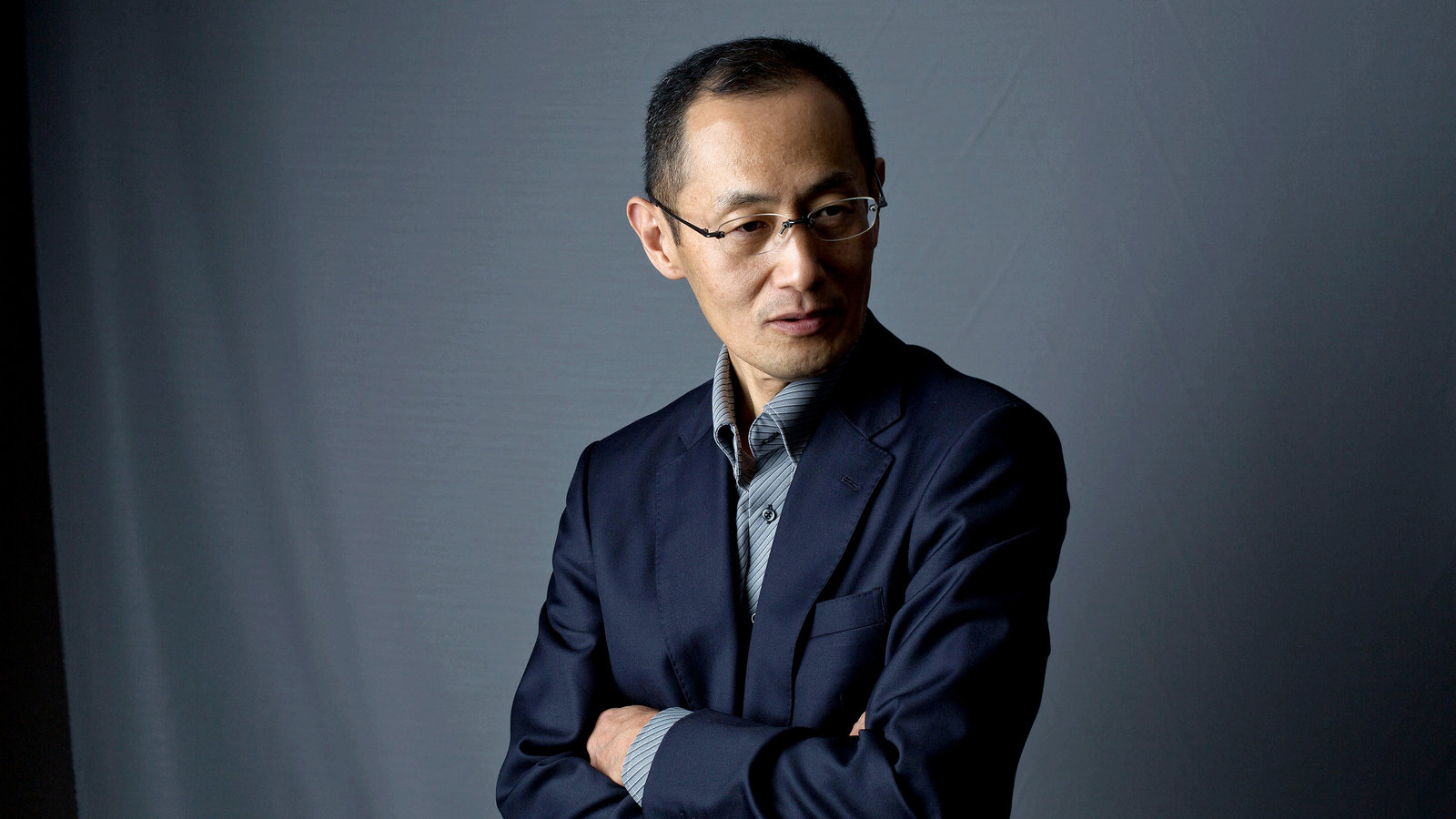
Shinya Yamanaka
 Japan
Japanphysician•surgeon•stem cell researcher
Also known as: Shin'ya Yamanaka
Birthday
September 4, 1962
Birth Sign
Virgo
Birthplace
Higashiosaka, Japan
Age
64 years old
About
Shinya Yamanaka is a Japanese physician and stem cell researcher whose discovery of induced pluripotent stem cells (iPSCs) reshaped modern biology. He serves as Director Emeritus and Professor at the Center for iPS Cell Research and Application (CiRA) at Kyoto University, and he holds positions at the Gladstone Institutes and the University of California, San Francisco. His work has been cited over 145,000 times, placing him among the most influential scientists of his generation.
Yamanaka's 2006 breakthrough, showing that adult cells could be reprogrammed to an embryonic-like state, opened the door to regenerative medicine. For this achievement, he shared the 2012 Nobel Prize in Physiology or Medicine with John Gurdon. As of 2026, his research continues to drive clinical applications, including Japan's recent approval of the world's first iPSC-based therapies for Parkinson's disease and heart failure.
Early Life & Background
Yamanaka's path to scientific prominence was far from linear. Born in Higashiosaka, Japan, he struggled academically, reportedly ranking last in his class during his school years. Despite this, his curiosity about medicine led him to Kobe University, where he earned his medical degree in 1987. He then trained as an orthopedic surgeon, but found the operating room unsatisfying. His turn toward research came during his PhD at Osaka City University, where he studied molecular biology and began exploring how cells maintain their identity.
A pivotal moment arrived when he shifted from surgery to basic science, driven by a question that would define his career: could adult cells be reprogrammed? Working at the Nara Institute of Science and Technology, a relatively small institution, he started experimenting with transcription factors known to maintain pluripotency. In August 2006, his team published the landmark paper demonstrating that introducing just four factors, Oct4, Sox2, Klf4, and c-Myc, could transform adult fibroblasts into induced pluripotent stem cells. The discovery was met with skepticism, but it laid the foundation for a new field.
Career Growth
Yamanaka's 2006 paper created the field of cellular reprogramming, but he didn't stop there. In 2007, he refined the technique to work with human cells, vastly expanding its therapeutic potential. The following years brought a cascade of honors: the BBVA Foundation Frontiers of Knowledge Award in 2010, the Wolf Prize in Medicine in 2011, and in 2012, the Nobel Prize in Physiology or Medicine, shared with John Gurdon. That same year, he received the Millennium Technology Prize, and in 2013, the $3 million Breakthrough Prize in Life Sciences.
Beyond the awards, Yamanaka's work has moved from bench to bedside. In February 2026, Japan approved the world's first regenerative medicines using iPSCs for severe heart failure and Parkinson's disease, therapies built directly on his foundational discovery. He continues to lead research at CiRA, focusing on pluripotency, stem cell biology, and drug discovery, while also mentoring the next generation of scientists.
Career Timeline
Public Image & Style
Yamanaka is widely portrayed as a humble, persistent researcher whose unconventional academic path, from last in class to Nobel laureate, makes him an inspirational figure, especially in Japan. He is known for his curiosity and perseverance, often emphasizing the importance of following one's interests over conventional measures of success. In the scientific community, he is celebrated as a pioneer, though he deflects personal praise, crediting his team and collaborators. His public talks, including a 2026 Nobel lecture video, highlight his accessible style and commitment to communicating science to the public.
Fame & Fandom (iFAMOUS Rankings)
Shinya Yamanaka commands a profound global presence, though his influence operates through the gravity of scientific achievement rather than the roar of celebrity culture. His work has reshaped biology, yet in the realm of general public fame metrics, he occupies a unique space distinct from entertainers or commercial icons. According to the August 2026 evaluation by iFANN's Global Fame Engine, Shinya Yamanaka is currently evaluated but holds no placement in the published rankings, including the Global Top 1,000 or any Top-100 scope list. This absence of a numeric rank reflects a reality where his stature transcends standard popularity charts; he is a figure of immense respect within academia and medicine without fitting the profile of a mass-market personality. While the engine tracks billions of data points regarding media consumption and search behavior worldwide, Yamanaka's legacy does not generate the viral spikes required for a specific ordinal position. Consequently, there is no documented fandom name associated with him. Unlike pop stars who have organized fanbases with rituals and dedicated projects, Yamanaka's audience consists of students, researchers, and patients inspired by his discoveries. The public engagement surrounding him remains professional, centered on lectures about bioethics and the future of regenerative medicine rather than fan gatherings or celebrity worship.
Interesting Facts and Legends
Shinya Yamanaka's journey began with humble academic beginnings that he now shares with humor, having once ranked last in his class despite his eventual Nobel laureate status. His groundbreaking discovery of induced pluripotent stem cells (iPSCs) occurred at the Nara Institute of Science and Technology, a smaller institution that proved institutional prestige was not a prerequisite for revolutionizing science. A persistent myth emerged in early 2026 when a fraudulent Facebook account impersonated him to exploit his reputation, specifically posting doctored images of him finishing a marathon, a hobby he genuinely enjoys, to spread misinformation. The scientific community also celebrates the story of his unconventional path, noting how his curiosity and persistence led him from being an underperforming student to earning degrees from Kobe University and Osaka City University. In 2026, this narrative of transformation gained new weight as Japan approved the world's first regenerative medicines using iPS cells to treat severe heart failure and Parkinson's disease, marking the transition from theoretical discovery to clinical reality. These milestones serve as the modern legends of his career, replacing folklore with verified medical breakthroughs that continue to extend human lifespan.
Notable Quotes
“I was not a good student. I ranked last in my class, but I never gave up on my curiosity.”
“The most important thing is to have a dream and to believe in yourself.”
“iPS cells have the potential to transform medicine, but we must proceed with caution and rigor.”
Family & Personal Life
Yamanaka is married and has children, though he keeps his family life deliberately private. Public records do not name his spouse or children, and he rarely discusses them in interviews. His family has been a source of support throughout his career, but he has chosen to shield them from the spotlight, focusing media attention on his research rather than his household.
Notable Connections
Yamanaka is closely associated with John Gurdon, with whom he shared the 2012 Nobel Prize. He also collaborated with Kazutoshi Takahashi, his graduate student and co-author on the landmark 2006 paper. James Thomson, who independently derived human embryonic stem cells, is a fellow pioneer in the field, and their work is often discussed together.
Relationships & Dating History
Yamanaka's personal life is notably private, and no public dating history or romantic relationships have been documented. He is married, and his spouse has remained out of the public eye, with no reports of divorce or separation. As of 2026, he is married, and his family life is a deliberate off-limits topic in interviews, as he prefers to focus on his scientific work.
Salary, Net Worth In 2026
$5 Million
iFANN Editorial Team estimate
Shinya Yamanaka maintains a financial standing modest by celebrity standards, reflecting his lifelong dedication to academic research rather than commercial entrepreneurship. His income streams are anchored in his prestigious roles as Director Emeritus and Professor at the Center for iPS Cell Research and Application (CiRA) at Kyoto University, alongside positions at the Gladstone Institutes and the University of California, San Francisco. Significant contributions to his wealth come from major accolades, including the Nobel Prize in Physiology or Medicine shared with John Gurdon, which provided approximately $1.2 million, and the $3 million Breakthrough Prize. Per iFANN's editorial analysis, his estimated net worth stands at $5 Million as of 2026, a figure consistent with a highly successful scientist whose assets are concentrated in academic earnings and prize money. No major business ventures have been reported, keeping his financial profile aligned with the life of a distinguished researcher.
Awards Won (9)
Yamanaka's awards reflect the transformative impact of his work. He shared the 2012 Nobel Prize in Physiology or Medicine with John Gurdon, and received the Millennium Technology Prize that same year. His other honors include the BBVA Foundation Frontiers of Knowledge Award (2010), the Wolf Prize in Medicine (2011), and the $3 million Breakthrough Prize in Life Sciences (2013). He has also received the Robert Koch Prize, the Albert Lasker Basic Medical Research Award, the Canada Gairdner International Award, and the Shaw Prize in Life Science and Medicine.
2012 · Medicine
Discovery that mature cells can be reprogrammed to become pluripotent
2013 · Life Sciences
Discovery of induced pluripotent stem cells
Known For
Discovery of induced pluripotent stem cells
2006 · Lead researcher
Nobel Prize in Physiology or Medicine
2012 · Co-recipient
Keywords
Sources
Quick Facts
- Profession
- Physician, surgeon, stem cell researcher
- Born
- September 4, 1962
- Birthplace
- Higashiosaka, Japan
- Gender
- Male
- Birth Sign
- Virgo
- Education
- Kobe University (MD), Osaka City University (PhD)
- Nobel Prize
- 2012, Physiology or Medicine
Personal Details
- Full Name
- Shinya Yamanaka
- Education
- Kobe University (MD), Osaka City University (PhD)
Frequently Asked Questions
How did Shinya Yamanaka discover iPS cells?
Did Shinya Yamanaka rank last in school?
What is Shinya Yamanaka's net worth?
What did Shinya Yamanaka win the Nobel Prize for?
Is Shinya Yamanaka married?
Social Media
Similar People
Join the community
fans discussing