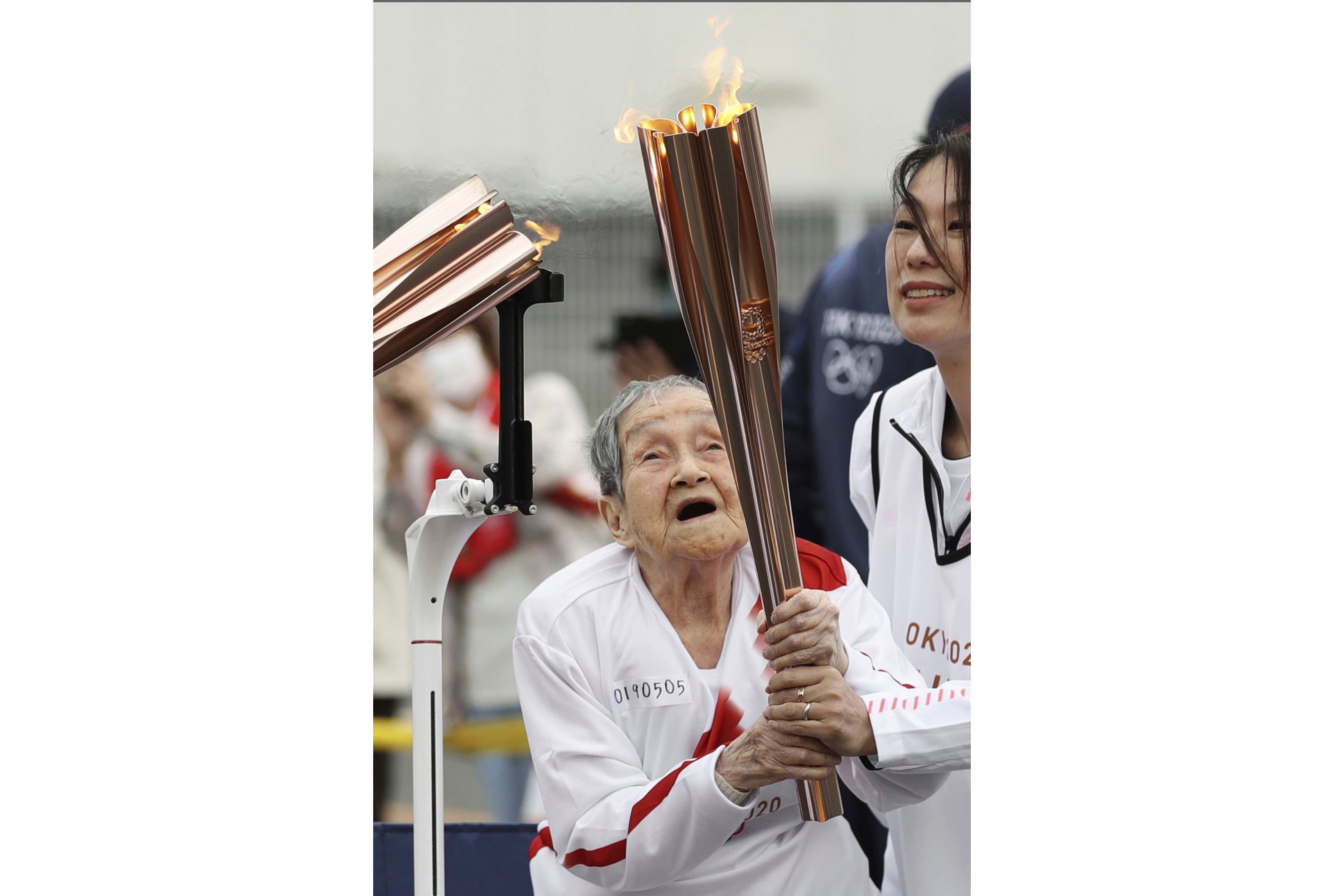
Shigeko Kagawa
 Japan
JapanBirthday
May 28, 1911
Birth Sign
Sagittarius
Birthplace
Nara Prefecture, Japan
Age
Died at 115
About
Shigeko Kagawa was a Japanese physician and supercentenarian who lived from May 28, 1911, to August 27, 2026. She spent over a century witnessing Japan's transformation from a rural agrarian society into a global technological powerhouse, surviving two world wars and navigating the post-war reconstruction without ever leaving her home country. Her life uniquely spanned the Meiji, Taisho, Showa, Heisei, and Reiwa eras, making her a living bridge between traditional governance and modern culture. While she worked professionally as a doctor for much of her adult life, her later years became defined by her status as a longevity record-holder. She served as the oldest living person in Japan and Asia from July 29, 2025, until her death at the age of 115 years and 91 days. Her journey included a notable role as an Olympic torchbearer, symbolizing resilience and the continuity of Japanese history.
Early Life & Background
Shigeko Kagawa was born on May 28, 1911, in Nara Prefecture during a period of profound change just before Japan's rapid modernization and militarization in the early 20th century. Her childhood occurred at the tail end of the Meiji era, placing her at the beginning of a nation that would soon undergo drastic social upheavals. She spent her entire life within Japan, never emigrating, which allowed her to experience the country's evolution firsthand. After finishing her studies at Osaka Women's University, she pursued a career in medicine, graduating in the 1930s. She began working as a physician in Yamatokoriyama, Nara Prefecture, where she resided for the rest of her life. Her medical practice continued through the mid-20th century and into the Heisei era, establishing her reputation locally as a dedicated professional who navigated shifting social norms. Before becoming a national icon in her final years, she was a quiet medical figure whose work likely contributed to her longevity through her deep understanding of health and wellness.
Career Growth
Kagawa's career milestones are defined by her longevity and her brief period as a public icon following her selection as a torchbearer for the Tokyo 2020 Olympic Games held in 2021. This prestigious honor recognized her age and contribution to society, bringing her international attention as a symbol of resilience. The role highlighted her status as a living link between the past and the future of Japan. Following the death of Miyoko Hiroyasu on July 29, 2025, Kagawa officially became Japan's oldest living person, a title she held for approximately one year. During this tenure, she was frequently featured in media interviews discussing healthy aging and served as a living ambassador for the Gerontology Research Group's validation of supercentenarians. She passed away on August 27, 2026, ending her tenure as the oldest living person in Japan and Asia. Her legacy includes being one of the few supercentenarians chosen to carry the Olympic torch, linking her to the global event despite her advanced age.
Career Timeline
Public Image & Style
Kagawa was portrayed by the media as a dignified, humble, and resilient figure. Her public image was that of a "living museum" of Japanese history, representing the quiet strength of the older generation. She was often depicted in traditional attire or modest clothing, reinforcing her connection to her roots. Her interview where she dismissed complex longevity secrets in favor of simple walking became a viral story, resonating with people seeking simplicity in health advice. She was described as being able to walk without assistance, a trait she credited for her long life. Her demeanor consistently reflected the stoic values of the Meiji generation, earning her respect across all demographics rather than just admiration.
Fame & Fandom (iFAMOUS Rankings)
iFANN has not yet collected fame data for this person. While she garnered widespread public interest and admiration, particularly among demographics interested in longevity and Japanese culture, there were no fan clubs, campaigns, or organized groups dedicated to her. Her admirers were general citizens and media observers rather than a dedicated fanbase. The primary recognition she received came from official bodies and news organizations celebrating her status as the oldest living person in Japan and Asia. There is no formal name for any potential fanbase associated with her, as the interest was organic and driven by historical significance rather than celebrity culture.
Interesting Facts and Legends
Shigeko Kagawa was one of the few supercentenarians chosen to carry the Olympic torch, linking her to the global event despite her advanced age. When asked about her secret to living to 115, she famously stated, "There was no secret, I just walked," emphasizing simple physical activity over complex regimens. Her ability to walk and move independently was highlighted in her final interviews as a key factor in her longevity. She lived through the Meiji era's tail end, the Taisho and Showa eras, the Heisei era, and the Reiwa era, experiencing every major shift in Japanese governance and culture. Specific physical attributes such as height are not recorded in the available sources, but her independent mobility was a defining characteristic. Her most recent public appearances were series of interviews conducted in late August 2026, shortly before her passing.
Notable Quotes
“There was no secret, I just walked.”
“I simply lived day by day, witnessing Japan's changes without needing to leave my home country.”
Family & Personal Life
As a supercentenarian from a traditional background, Shigeko Kagawa maintained a notably private personal life throughout her 115 years. There are no publicly documented records of marriages, romantic relationships, engagements, or children in available sources. Unlike many celebrities whose relationship histories are extensively covered, Kagawa's biography focuses almost exclusively on her professional life as a physician and her status as a longevity record-holder. As of her death on August 27, 2026, she was considered single with no known surviving family members mentioned in public obituaries or news reports, though she may have had descendants who were not part of the public narrative. Her household remained a private sanctuary, and no specific details regarding parents, siblings, or extended family dynamics have been released to the public.
Notable Connections
Miyoko Hiroyasu (Previous oldest living person in Japan), Fuyo Kishimoto (Successor as oldest living person in Japan)
Relationships & Dating History
Shigeko Kagawa maintained a notably private personal life throughout her 115 years. There are no publicly documented records of marriages, romantic relationships, engagements, or children in available sources. Unlike many celebrities whose relationship histories are extensively covered, Kagawa's biography focuses almost exclusively on her professional life as a physician and her status as a longevity record-holder. Consequently, there is no information regarding dating history, spouses, or offspring. As of her death on August 27, 2026, she was considered single with no known surviving family members mentioned in public obituaries or news reports, though she may have had descendants who were not part of the public narrative. Her lack of a public relationship history distinguishes her from other figures whose personal lives are extensively documented.
Death & Aftermath
Died
August 27, 2026 (aged 115)
Death Place
Yamatokōriyama, Nara Prefecture, Japan
Cause of Death
Natural causes associated with old age
Shigeko Kagawa passed away on August 27, 2026, at her home in Yamatokōriyama, Nara Prefecture. She was 115 years and 91 days old at the time of her death. The cause was reported as natural causes related to advanced age, a common outcome for supercentenarians who have reached such exceptional milestones. Her passing marked the conclusion of a remarkable era for longevity records in Asia and the end of her tenure as the oldest living person in Japan. Upon her death, the title of Japan's oldest living person was officially transferred to Fuyo Kishimoto, a 114-year-old resident also from Nara Prefecture. News of Kagawa's death spread rapidly through major Japanese outlets like Kyodo News and international publications including The Independent and Nippon.com. These reports celebrated her life not just as a biological anomaly but as a historical witness who had seen Japan evolve from an agrarian nation into a modern technological power.
Kagawa had been selected as a torchbearer for the Tokyo 2020 Olympic Games held in 2021, a role that symbolized her status as a living link between the past and the future. This honor brought her significant attention in her final years, though she remained largely private about her personal affairs. Tributes focused on her resilience and her simple philosophy regarding longevity, which she famously attributed to walking rather than complex regimens. While no detailed funeral arrangements were widely publicized in the initial reports, her legacy endured as a testament to human endurance and the quiet dignity of the Meiji generation. The transition of the title to Kishimoto highlighted the continuity of longevity records in the region, ensuring that Kagawa's achievement remained part of the ongoing narrative of Japanese supercentenarians.
Net Worth (Estate Value)
$0
iFANN Editorial Team estimate
As a retired physician who lived a private life and did not engage in commercial ventures, celebrity endorsements, or business investments, Shigeko Kagawa's net worth is not publicly estimated or tracked in financial databases. Supercentenarians of her generation typically live modestly, often relying on pensions or family support rather than accumulating vast wealth. There are no credible sources reporting a specific dollar amount for her estate or net worth. Her "wealth" is measured in historical significance and the respect accorded to her as a centenarian, rather than financial assets. Unlike modern celebrities, she did not leverage her fame for income, maintaining a lifestyle consistent with the frugality of her upbringing.
Awards Won (2)
Shigeko Kagawa did not receive standard industry awards such as Oscars, Grammys, or Golden Globes, as she was not a performer or artist. However, she received significant recognition for her longevity, including being selected as a torchbearer for the Tokyo 2020 Olympic Games. She was recognized by the Gerontology Research Group and Japanese media as the validated oldest living person in the region from July 2025 to August 2026.
2021 · Honour
Tokyo 2020 Olympic Games
2025 · Longevity Record
Gerontology Research Group Verification
Known For
Tokyo 2020 Olympic Torchbearer
2021 · Torchbearer
Japan's Oldest Living Person
2025 · Record Holder
Keywords
Sources
Quick Facts
- Profession
- physician
- Born
- May 28, 1911
- Birthplace
- Nara Prefecture, Japan
- Died
- August 27, 2026
- Death Place
- Yamatokōriyama, Nara Prefecture
- Gender
- Female
- Birth Sign
- Sagittarius
Personal Details
- Full Name
- Shigeko Kagawa
- Children
- Education
- Osaka Women's University
Frequently Asked Questions
Who was Shigeko Kagawa?
When did Shigeko Kagawa die?
What was Shigeko Kagawa's secret to longevity?
Was Shigeko Kagawa married?
Did Shigeko Kagawa carry the Olympic torch?
Similar People
Join the community
fans discussing