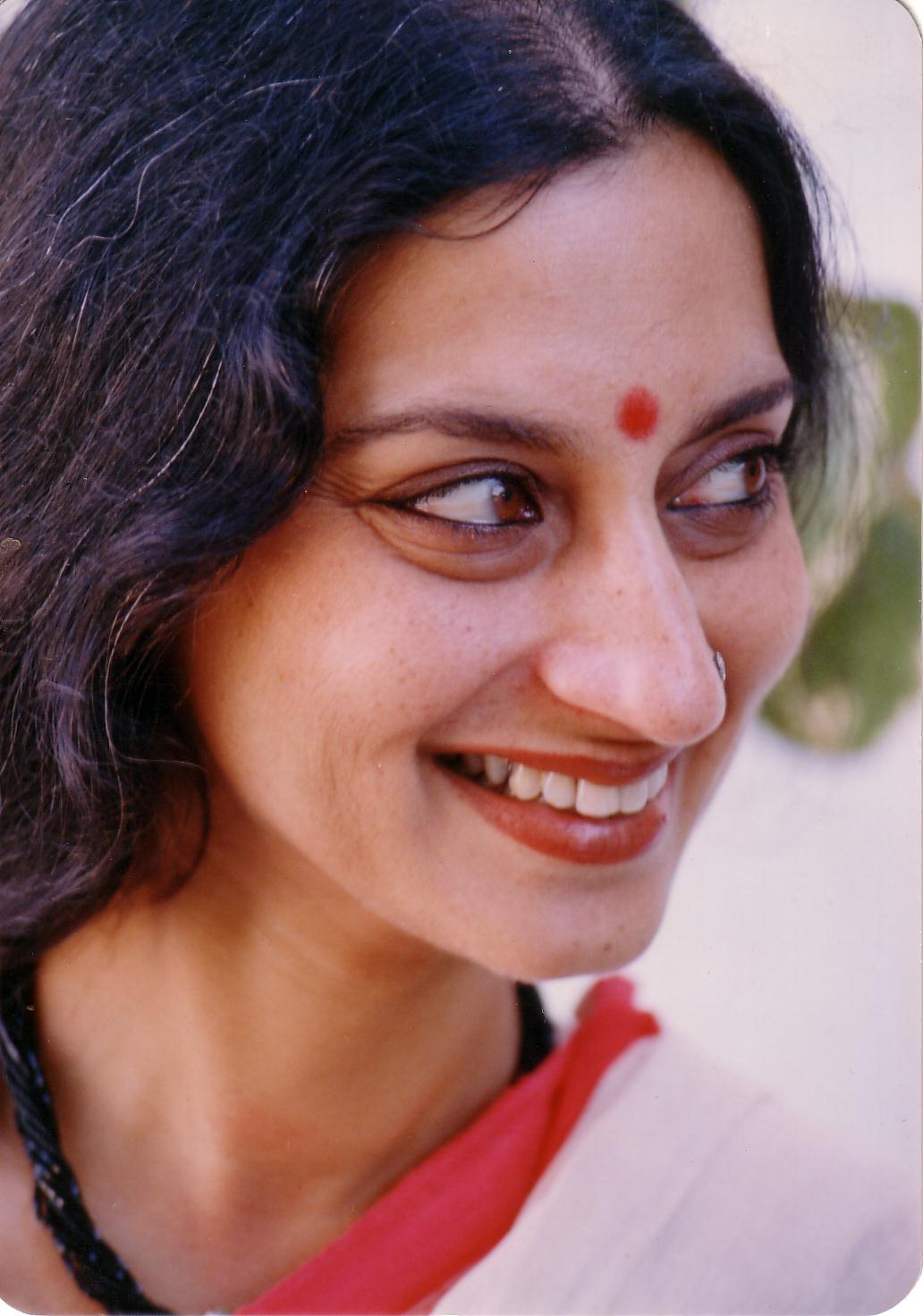
Sheema Kermani
 Pakistan
dancer•human rights defender•choreographer
Birthday
January 16, 1951
Birth Sign
Capricorn
Birthplace
Rawalpindi, Pakistan
Age
75 years old
About
Sheema Kermani is a Pakistani classical dancer, actress, choreographer, theatre practitioner, and social activist. She is widely regarded as Pakistan's foremost exponent of Bharatanatyam, a classical Indian dance form, and has spent over five decades using performance as a vehicle for women's rights and social justice. Based in Karachi, she founded the Tehrik-e-Niswan Cultural Action Group in 1978, an organization dedicated to cultural expression and women's empowerment.
Kermani's artistry and activism have earned her international recognition, including speaking engagements at institutions like the University of Chicago. In 2022, she reached a global audience as the featured dancer in the Coke Studio hit "Pasoori," which became a viral sensation. Today, she continues to perform, teach, and advocate, embodying the belief that dance is a powerful form of resistance.
Early Life & Background
Sheema Kermani was born on January 16, 1951, in Rawalpindi, into a middle-class family that valued education and culture, though the environment was conservative. Her upbringing instilled a deep appreciation for the arts alongside a strong sense of social consciousness. As a young woman, she navigated the tension between pursuing a traditional artistic path and the sociopolitical constraints of her surroundings.
Her early life was marked by a disciplined commitment to classical dance, particularly Bharatanatyam, which she chose despite its Indian roots in a Pakistani context. This formative period shaped her lifelong belief that dance could be a tool for resistance and social justice. The specific details of her formal education remain limited in public sources, but her trajectory from a culturally rich household to becoming Pakistan's leading classical dancer reflects a purposeful and determined early career.
Career Growth
Kermani's career spans more than five decades, beginning with the founding of Tehrik-e-Niswan in 1978. Through this organization, she created a platform for women's rights and cultural expression, producing numerous theatrical works and performances across Pakistan. Throughout the 1980s and 2000s, she established herself as the country's preeminent Bharatanatyam dancer and guru, training new generations of performers.
In 2022, she appeared as the dancer in the Coke Studio track "Pasoori" by Ali Sethi and Shae Gill, which became an international phenomenon and brought her artistry to millions. The song's success introduced her to a new global audience and sparked widespread acclaim. In 2026, she was briefly detained in Karachi while seeking an NOC for the Aurat March, an incident that ignited international outrage and highlighted her ongoing activism.
Career Timeline
Public Image & Style
Sheema Kermani is consistently described as Pakistan's leading performance artist and a pioneering cultural figure. Her public image blends the disciplined aesthetics of Bharatanatyam with a powerful activist voice. She is known for using her platform to champion women's rights, peace, and cultural preservation.
Her viral "Pasoori" appearance created a new generation of admirers worldwide who discovered her through the Coke Studio phenomenon. Media portrayals emphasize her decades of dedication to using dance as a tool for social change, and she is respected both as an artist and an activist.
Fame & Fandom
Sheema Kermani commands a following defined not by commercial fan clubs or ritualistic birthday campaigns, but by a fiercely loyal base of activists, dancers, and human rights defenders who rally behind her cause. Her supporters are less a traditional fandom and more a mobilized community that views her as a cultural martyr and fearless elder stateswoman. This bond was forged in the heat of May 2026, when footage of her physical altercation with police during the Aurat March sparked immediate outrage and transformed her into a global symbol of resistance against state oppression. The viral phrase "You can't pull me like this," captured during the confrontation, became an instant rallying cry for netizens demanding justice. While modern pop stars rely on organized chart campaigns, Kermani's influence spreads through organic solidarity, with prominent figures like Erica Robin publicly urging women to stand with her during her detention. Her legacy is further cemented by her historical defiance during General Zia-ul-Haq's regime, where she performed banned Indian classical dances under the threat of imprisonment, establishing a mythos of unyielding artistic freedom that resonates deeply with her admirers today. The global explosion of interest in her life followed her unexpected appearance in the Coke Studio hit "Pasoori," which introduced her image to millions who had never encountered her activism before. Despite this surge in visibility, her audience remains distinctively engaged in social causes rather than celebrity worship. Sheema Kermani is currently the 49th most famous person in Pakistani Dramas, according to the iFANN Global Fame Rankings.
Interesting Facts and Legends
Kermani has often been asked why she chose Bharatanatyam, a classical form rooted in Indian tradition, given her Pakistani identity. She has responded that art transcends borders and cannot be owned. Her Instagram handle is @sheemakermani, where she shares her journey and speaks about dance as a medium for resistance. She has been a featured speaker at the Karachi Literature Festival, underscoring her status as a leading cultural voice. Kermani's appearance in "Pasoori" was not a planned commercial venture but a collaboration that emerged organically, further amplifying her message of peace and unity. A defining legend of her modern career emerged in early May 2026 when she was detained and manhandled by police while participating in the Aurat March in Karachi. Viral footage of the incident, featuring her defiant shout "You can't pull me like this," turned her arrest into a global symbol of shrinking liberties in Pakistan. Another enduring story traces back to the 1980s military dictatorship of General Zia-ul-Haq, when Kermani risked imprisonment to perform Bharatanatyam in public despite strict bans on Indian cultural forms. These acts of defiance established her reputation as a fearless feminist long before she gained international fame.
Notable Quotes
“Dance is my resistance, my revolution.”
“Art cannot be owned.”
Family & Personal Life
Details about Sheema Kermani's family life are largely private. Public sources do not document her parents' names, siblings, or her own household. It is known that she was born into an educated and cultured family in Rawalpindi, which shaped her early appreciation for the arts. As of 2026, there is no publicly reported information about a spouse or children. Kermani appears to keep her personal life separate from her public persona, a common practice among cultural figures in Pakistan.
Notable Connections
Relationships & Dating History
Publicly available information about Sheema Kermani's romantic relationships is extremely limited. Sources focus overwhelmingly on her professional career and activism. No credible reports document any marriages, divorces, or long-term partnerships. It is possible she has kept her personal life private, which is common among cultural figures in Pakistan. As of 2026, there is no publicly reported information about a current partner, and she appears to be single.
Salary, Net Worth In 2026
$1 Million
iFANN Editorial Team estimate
As a classical dancer, theatre practitioner, and activist, Sheema Kermani's income primarily comes from teaching, performances, theatre productions, and speaking engagements. Unlike mainstream celebrities, her financial profile is not heavily tracked by commercial outlets. Her work with Tehrik-e-Niswan is largely activist and cultural rather than profit-driven. Per iFANN's editorial analysis, her net worth is estimated at around $1 million as of 2026, reflecting her modest but sustained career in the arts.
Awards & Accolades
Known For
Bharatanatyam dance
· Exponent
Tehrik-e-Niswan
1978 · Founder
Pasoori
2022 · Dancer
Keywords
Sources
Quick Facts
- Profession
- dancer, human rights defender, choreographer
- Born
- January 16, 1951
- Birthplace
- Rawalpindi, Pakistan
- Gender
- Female
- Birth Sign
- Capricorn
Frequently Asked Questions
How old is Sheema Kermani?
Why was Sheema Kermani detained by police?
What is Sheema Kermani famous for?
What is Tehrik-e-Niswan?
What is Sheema Kermani's net worth in 2026?
Social Media
Join the community
fans discussing