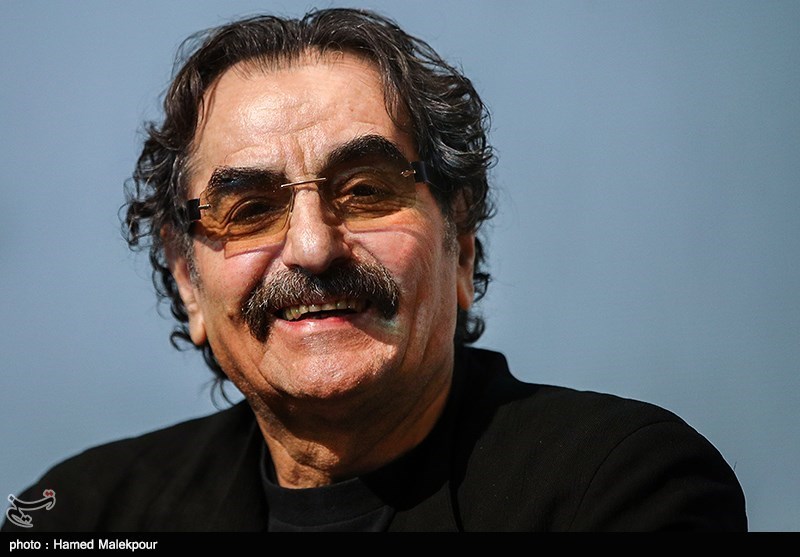
Shahram Nazeri
 Iran
Iransinger•music educator•composer
Also known as: Iranian Pavarotti, Persian Nightingale
Birthday
February 18, 1950
Birth Sign
Aquarius
Birthplace
Kermanshah, Iran
Age
76 years old
About
Shahram Nazeri is an Iranian tenor of Kurdish descent, widely celebrated as a master of Persian classical and Sufi music. Born in 1950 in Kermanshah, Nazeri has spent over five decades performing and recording, earning the title "Ostad" (master) and being dubbed the "Iranian Pavarotti" by the Christian Science Monitor. His voice, with its remarkable range and emotional depth, has brought the poetry of Rumi to global audiences, bridging the spiritual and the musical. As of 2026, he remains active, performing concerts and releasing new projects, including the 2025 visual album "Come, O Love."
Nazeri's significance lies not just in his technical mastery but in his role as a cultural ambassador. He has collaborated with leading figures of Iranian traditional music, including Hossein Alizadeh and Parviz Meshkatian, and with his son, composer Hafez Nazeri, on the ambitious Rumi Symphony Project. His work has introduced Persian and Kurdish musical traditions to listeners worldwide, and his influence extends to new generations of musicians who see him as a living link to a rich heritage.
Early Life & Background
Shahram Nazeri was born on February 18, 1950, in Kermanshah, a city in western Iran known for its vibrant Kurdish culture. Growing up, he was surrounded by both Kurdish folk music and the classical Persian radif, the traditional repertoire that forms the backbone of Iranian classical music. From a young age, he showed an intense fascination with the mystical dimensions of music, often listening to Sufi chants and religious songs.
His formal training began in his teens, as he studied the complex modal systems of Persian classical music under local masters. He immersed himself in the radifs, learning the intricate melodic patterns by heart. He also delved into the maqam traditions of Kurdish music, developing a versatility that would later set him apart. By his early twenties, Nazeri had gained a reputation in Kermanshah as a gifted young singer, but his ambitions extended beyond regional recognition. He moved to Tehran to pursue a career, where he continued his studies and began performing in classical concerts, slowly building a name for himself in the capital's music circles.
Career Growth
Nazeri's breakthrough came in the 1970s when he began setting the poetry of Rumi to music, a then-unprecedented fusion that would define his career. His 1970s and 1980s recordings, often with masters like Jalil Shahnaz and Jalal Zolfonoun, became classics of Persian classical music. He gained a devoted following in Iran and, after the revolution, continued to perform despite restrictions.
In the 2000s, he started collaborating with his son Hafez, leading to the Rumi Symphony Project, which premiered internationally. The project's Cycle I: Untold was performed at the Flint Center in 2014 and at the Asia Society's Tiger Ball in 2012. In 2018, the Rumi Symphony Orchestra performed in Toronto. In December 2025, Nazeri unveiled a visual album, "Come, O Love," with the late Tajik master Davlatmand Kholov, recorded in Konya, Turkey, a tribute to Rumi. Throughout his career, he has faced political pressures, including concert cancellations in 2016 and a brief detention in 2020, but he has remained a central figure in Persian music.
Career Timeline
Public Image & Style
Shahram Nazeri is perceived as a spiritual and cultural icon, a master who bridges the sacred and the artistic. His public persona is one of dignity and devotion, often seen in traditional attire during performances. Media portrayals emphasize his role in popularizing Rumi's poetry, and he is frequently described as the "Iranian Pavarotti" for his powerful voice. His fans, both in Iran and in the diaspora, view him as a guardian of Persian musical heritage. He maintains an active presence on Instagram, where he shares concert clips and tributes to fellow artists. His voice, with its deep emotional resonance, connects with audiences on a spiritual level, making him a beloved figure.
Fame & Fandom (iFAMOUS Rankings)
Shahram Nazeri commands a global audience that spans continents, with his voice resonating through digital streams and live venues across the diaspora. His standing is quantified by the iFANN Global Fame Rankings, which place him as the 67th most famous person in Iran, a position he has held steady since the previous cycle. This ranking reflects sustained attention to his artistic output and cultural significance rather than fleeting viral moments. The artist's fanbase does not operate under a formalized name or engage in organized commercial campaigns; instead, it consists of devoted connoisseurs who revere him as a spiritual custodian of Persian heritage. While some segments of his Kurdish following have expressed public dissent regarding specific statements on identity, the broader community remains defined by a deep, often reverential engagement with his work. His performances are frequently described as transcendent events where audiences experience profound emotional connection, a dynamic that distinguishes his legacy from typical pop culture phenomena. The lack of a branded fandom group underscores the nature of his appeal: one rooted in shared appreciation for Sufi philosophy and classical mastery rather than celebrity worship.
Interesting Facts and Legends
Shahram Nazeri carries the nickname "Persian nightingale," a title reflecting his exceptional vocal agility and ability to execute the demanding "tahrir" ornamentation. He maintains a rigorous rehearsal schedule, often practicing until hoarse to ensure perfection, and attributes his success primarily to his teachers and collaborators. A recurring theme in his life involves a dream from his youth where he saw himself singing in a grand hall, an event he later interpreted as a premonition of his international career. Fans and critics alike recount the legend of his "Untold" project, a collaboration with his brother Hafez that blended Persian vocals with Western orchestration at major venues including the Tiger Ball and Salle Wilfrid-Pelletier, creating a narrative of cross-cultural bridge-building. Another story central to his folklore involves his detention, an event fans view as a symbol of the struggle for artistic expression in Iran. Additionally, the cancellation of his concerts due to pressure from religious conservatives has entered the annals of Iranian music history, illustrating the precarious position of artists performing secular works under strict regimes.
Notable Quotes
“Mohammad Reza Shajarian is not gone, he is forever in history, eternal and alive.”
“Music is a way to reach the divine.”
“Rumi's poetry is the essence of our spiritual being.”
Family & Personal Life
Shahram Nazeri is the father of Hafez Nazeri, a prominent composer and musician. Hafez, born in 1979, has gained international acclaim for his Rumi Symphony Project, which blends Persian classical music with orchestral arrangements. The father-son duo has performed together worldwide, with Shahram providing vocals for Hafez's compositions. Details about Nazeri's wife or the mother of his children are not publicly documented, as he has kept his personal life private. He is known to be close to his family, often speaking of his son with pride. Nazeri has also mentioned his parents in interviews, crediting them for nurturing his love of music. He currently lives in Tehran, where he continues to teach and perform.
Notable Connections
Shahram Nazeri's most significant association is with his son Hafez Nazeri, with whom he created the Rumi Symphony Project. He has also collaborated with renowned Iranian musicians including Jalil Shahnaz, Hossein Alizadeh, Jalal Zolfonoun, Parviz Meshkatian, and Faramarz Payvar. His partnership with the late Tajik singer Davlatmand Kholov on the visual album "Come, O Love" brought together two Sufi traditions. He has performed with the Kurdish ensemble Kamkars, and his work has been presented at institutions like the Asia Society.
Relationships & Dating History
Public information about Shahram Nazeri's romantic relationships is extremely limited. As a traditional Iranian musician, he has kept his personal life private. He is known to be the father of Hafez Nazeri, but the identity of Hafez's mother is not publicly documented. There are no credible reports of marriages, divorces, or high-profile relationships in available sources. As of 2026, his relationship status remains unknown, reflecting his preference for privacy regarding personal matters.
Salary, Net Worth In 2026
$10 Million
iFANN Editorial Team estimate
Per iFANN's editorial analysis, Shahram Nazeri's net worth stands at $10 Million as of 2026. His financial stability is derived from a decades-long career of concert performances, album sales, and high-profile international appearances. Over the years, he has released numerous recordings that are now regarded as classics within the Persian classical canon. Significant revenue streams include his collaborations with his son Hafez on the Rumi Symphony Project, which have garnered global recognition and substantial earnings. Licensing fees for his music in films and documentaries also contribute to his portfolio. Despite facing political challenges within Iran, he has maintained a consistent presence at prestigious venues worldwide. His economic standing mirrors his status as a revered cultural figure, though reports suggest he continues to lead a modest lifestyle.
Awards & Accolades
Known For
Rumi Symphony Project
2012-2018 · Vocalist
Come, O Love
2025 · Featured artist
Persian classical and Sufi music performances
1970s-present · Singer
Keywords
Sources
Quick Facts
- Profession
- singer, music educator, composer
- Born
- February 18, 1950
- Birthplace
- Kermanshah, Iran
- Gender
- Male
- Birth Sign
- Aquarius
- Nationality
- Iranian
Personal Details
- Children
- Hafez Nazeri
Filmography
1
Total
1
Film
0
TV
Frequently Asked Questions
How old is Shahram Nazeri?
What is Shahram Nazeri famous for?
Who is Shahram Nazeri's son?
What happened to Shahram Nazeri in 2020?
Is Shahram Nazeri Kurdish?
Social Media
Similar People
Join the community
fans discussing