 Iran
IranAbout
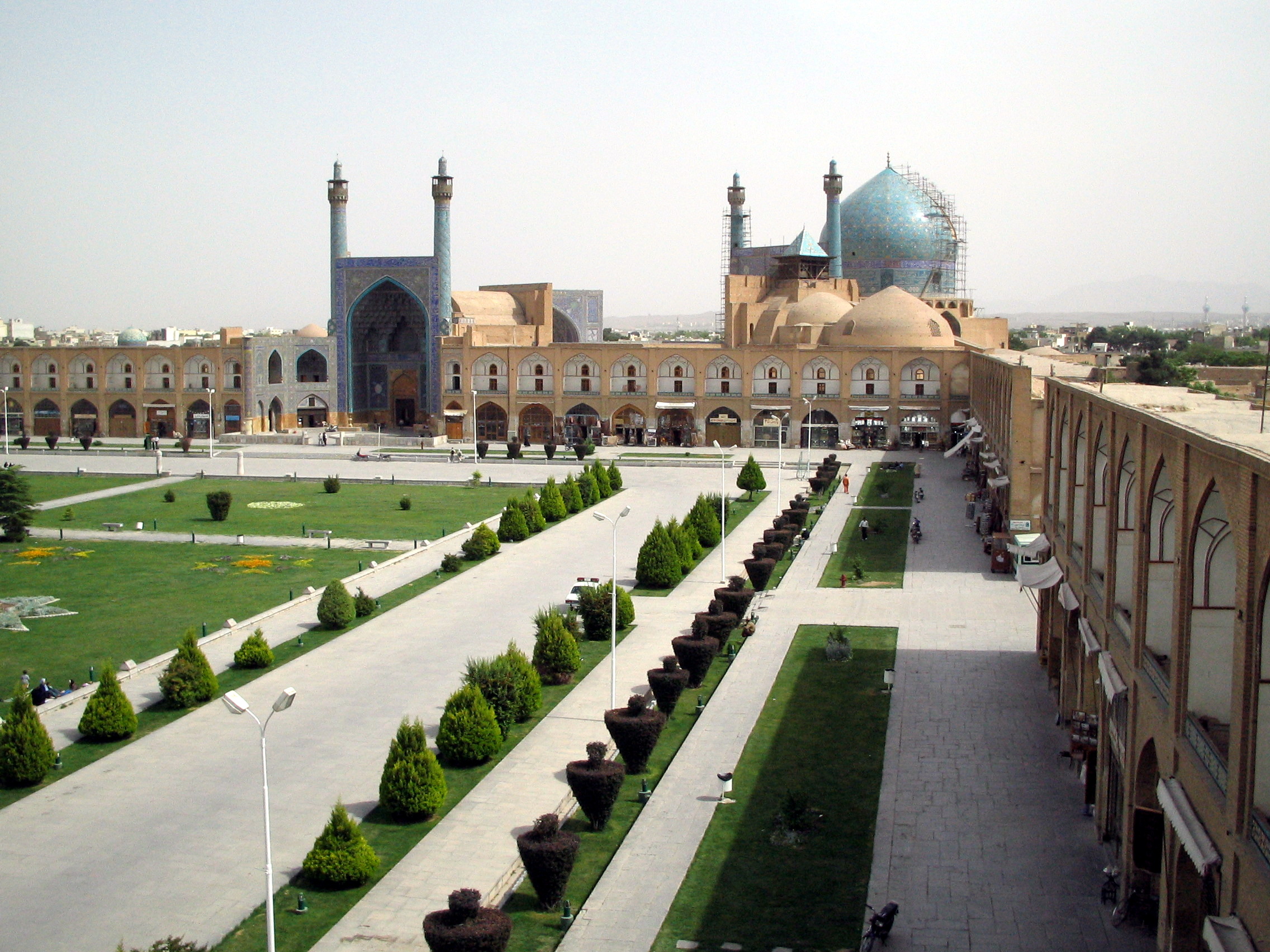
The Shah Mosque, also known as the Imam Mosque, stands on the southern side of Naqsh-e Jahan Square in Isfahan, Iran. Commissioned by Shah Abbas I in 1611 and completed around 1630, this Safavid-era monument is a pinnacle of Persian Islamic architecture. Its iconic turquoise dome and intricate seven-color mosaic tilework draw visitors from across the globe. The mosque, together with the square, has been a UNESCO World Heritage Site since 1979. It functions as an active place of worship and a major tourist destination, with its cultural and historical value considered immeasurable.
The mosque's design showcases the engineering ingenuity of its time. The entrance portal aligns with the square, but the main prayer hall is rotated to face Mecca, achieved through a clever angled vestibule. This architectural sleight of hand is one of the many details that make the mosque a subject of study for architects and historians. The building is also notable for its grand iwan, muqarnas vaulting, and the only fully domed sanctuary among the mosques on the square.
Recent events have placed the mosque in the spotlight for tragic reasons. During the 2026 US-Israeli conflict with Iran, airstrikes on Isfahan damaged the historic structure, with reports indicating cracks in columns and concerns about the dome's stability. International condemnation followed, with many calling the damage a loss to world heritage. As of late 2026, the mosque remains standing but faces an uncertain preservation future.
Mission
The Shah Mosque serves as a place of worship for the Shia Muslim community in Isfahan, hosting daily prayers and religious ceremonies. Beyond its religious function, it stands as a guardian of Persian artistic and architectural heritage, embodying the aesthetic and engineering achievements of the Safavid era. The mosque's preservation is a priority for Iranian cultural authorities, especially in the wake of recent conflict damage.
History
Shah Abbas I envisioned Isfahan as a grand capital that would rival the great cities of the Ottoman and Mughal empires. In 1611, he ordered the construction of a royal mosque on the southern side of the newly laid-out Naqsh-e Jahan Square. The project was part of a larger urban plan that included the Ali Qapu Palace and the Sheikh Lotfollah Mosque, transforming Isfahan into a showcase of Safavid power and piety.
The mosque's construction spanned nearly two decades, with the main structure completed around 1630 under Shah Abbas's successor, Shah Safi. The architect Ali Akbar Isfahani and calligrapher Alireza Abbasi were among the leading artists of the Safavid court, and their work set a new standard for Persian mosque design. The mosque's seven-color tilework, featuring floral motifs and Quranic inscriptions, became a hallmark of Safavid artistry.
After the Islamic Revolution in 1979, the mosque was officially renamed the Imam Mosque in honor of Ayatollah Khomeini. The renaming reflected the new political order, but the building's historical significance remained unchanged. In the same year, UNESCO inscribed Naqsh-e Jahan Square, including the mosque, as a World Heritage Site, recognizing its outstanding universal value.
The mosque faced its most serious threat in 2026, when airstrikes during the US-Israeli conflict damaged the structure. Reports from March 2026 indicated that the iconic dome had been hit, and by April, structural concerns had worsened, with cracks appearing in columns and signs of deviation in the building's frame. The damage drew international attention, with experts and cultural figures condemning the strikes as a violation of international law protecting cultural heritage.
Notable People
Shah Abbas I
Patron · 1611-1629
Commissioned the mosque as the centerpiece of his new capital
Ali Akbar Isfahani
Architect · 1611-1630
Designed the mosque's innovative layout and dome
Alireza Abbasi
Calligrapher · 1611-1630
Created the intricate tile inscriptions adorning the mosque
Milestones
1611
Construction begins under Shah Abbas I
1630
Construction completed under Shah Safi
1979
Renamed Imam Mosque; UNESCO World Heritage listing for Naqsh-e Jahan Square
2026
Damaged by airstrikes during US-Israeli conflict
Sources
Organization Info
- Founded
- +1611-04-29
- Headquarters
- Isfahan, Iran
- Country
- Iran
- Type
- Religious
Join the community
fans discussing