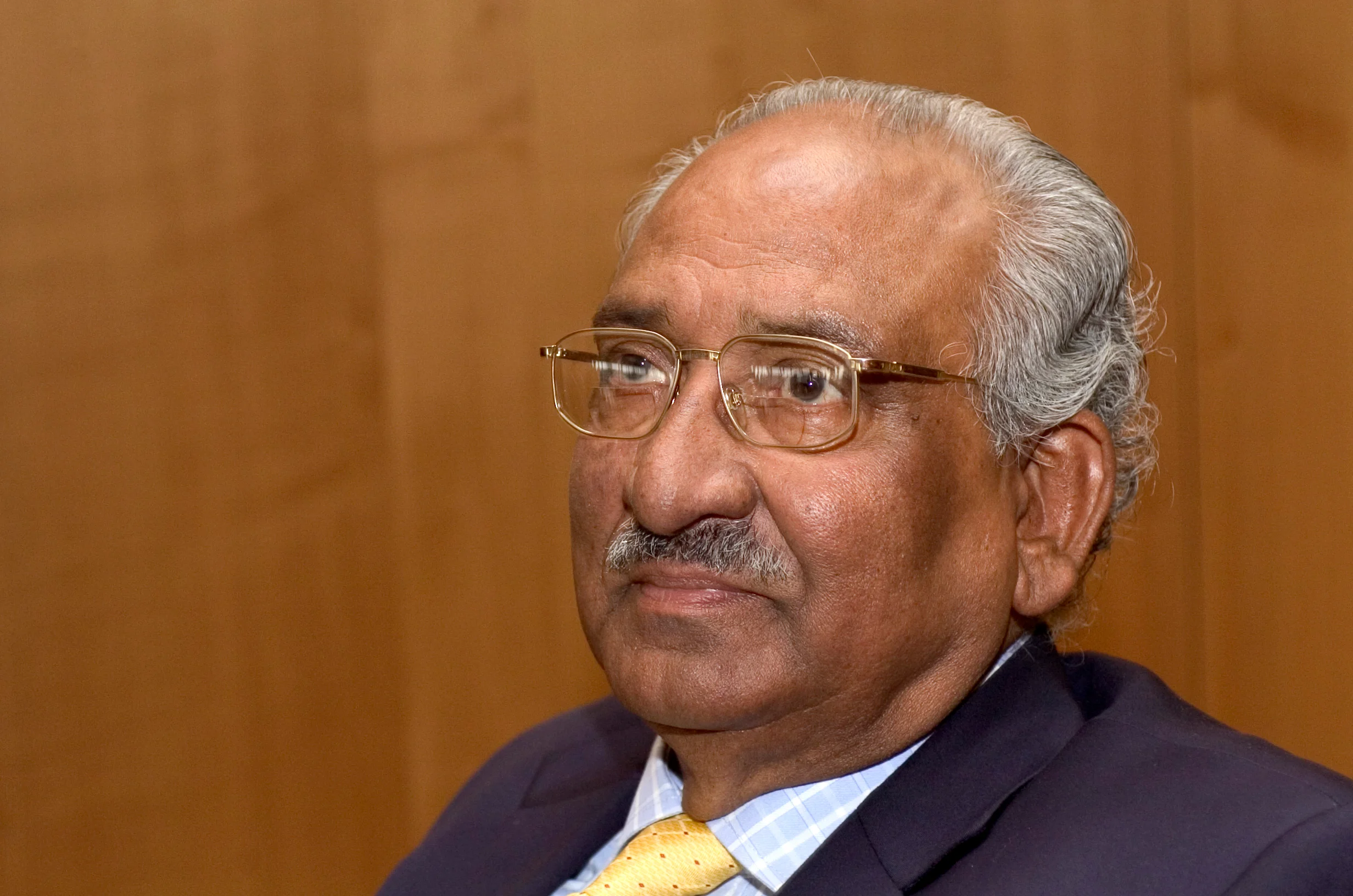
Shah Azizur Rahman
 Bangladesh
Birthday
November 23, 1925
Birth Sign
Sagittarius
Birthplace
Kushtia District, British India (now Bangladesh)
Age
Died at 63
About
Shah Azizur Rahman (1925–1989) was a prominent Bangladeshi politician who served as the Prime Minister of Bangladesh from 1979 to 1982. Born in the Kushtia District, he rose through the ranks of the Muslim League during the pre-independence era of East Pakistan. His political career is defined by a complex and deeply controversial legacy, primarily stemming from his alleged collaboration with the Pakistan Army during the 1971 Bangladesh Liberation War. While he held significant power in the post-1975 era under the Ziaur Rahman regime, his reputation remains polarized; he is viewed by many as a traitor to the independence movement due to his actions in 1971, while others acknowledge his administrative role in the subsequent government.
Early Life & Background
Shah Azizur Rahman was born on November 23, 1925, in the Kushtia District of what was then British India. Growing up in this region, he entered politics at a young age, aligning himself early with the All-India Muslim League. By the early 1950s, he had become a key figure in the party's structure in East Pakistan, serving as the General Secretary of the East Pakistan Muslim League from 1952 to 1958. During this period, he was active in the political struggles that led to the separation of East and West Pakistan. In 1962, he ran for elections within the Pakistani parliamentary system, further solidifying his standing as an established political operator before the 1971 war.
His rise was not marked by a singular viral moment or a sudden discovery but by steady advancement through the party hierarchy. He navigated the turbulent political landscape of the 1950s and 60s, building a network of influence that would eventually position him for higher office. Before the 1971 war, he was already recognized as a significant voice within the Muslim League, advocating for the interests of Bengali Muslims within the broader Pakistani framework. This background set the stage for his later, more contentious role during the war and the subsequent years of independence.
Career Growth
Rahman's career trajectory shifted dramatically following the 1971 Liberation War. Historical records indicate that during the war, he collaborated with the Pakistan Army, a stance that has cast a long shadow over his later life and public memory. Following the establishment of the People's Republic of Bangladesh, Rahman remained in the political sphere, eventually rising to prominence after the assassination of Sheikh Mujibur Rahman in 1975.
In 1979, he was appointed as the Prime Minister of Bangladesh by President Hussain Muhammad Ershad. His tenure as head of government lasted until 1982 and is often described as marked by controversy, particularly regarding his past associations with the Pakistani forces. Despite the lingering accusations of betrayal, he managed to hold the highest office in the land for three years. After his term ended in 1982, he continued to be an influential figure in the Bangladesh Nationalist Party (BNP) circle, though his influence waned amidst the shifting political tides of the 1980s.
Career Timeline
Public Image & Style
Shah Azizur Rahman does not possess a 'fandom' in the traditional sense. There are no fan clubs, organized campaigns, or digital shrines dedicated to him. Instead, his presence in the cultural landscape is reactive and contentious. The public discourse surrounding him is dominated by the accusation of collaboration with the 1971 Pakistani forces. To supporters of the BNP or those focusing on his administrative tenure, he may be seen as a statesman of his time. However, to the broader public and the Awami League-aligned populace, he is widely regarded as a collaborator and a traitor to the liberation struggle. The 2025 renaming of the IU hall is the most recent and significant event associated with his name, highlighting the enduring friction between historical revisionism and the preservation of liberation history.
Fame & Fandom (iFAMOUS Rankings)
The public memory of Shah Azizur Rahman is defined not by adoration but by the sharp, enduring friction of historical revisionism. Unlike contemporary celebrities who cultivate dedicated followings through cultural output or charismatic performance, Rahman's legacy is anchored in political controversy rather than popular mythology. There is no documented fanbase with a formal name, nor are there rituals, campaigns, or digital shrines dedicated to his life; the concept of a fandom for a figure widely regarded as a collaborator during the Bangladesh Liberation War remains absent from the cultural landscape. His presence in modern discourse is almost exclusively reactive, triggered by contentious decisions such as the 2025 renaming of university halls that sought to elevate his name alongside those of founding fathers, an act that sparked immediate national debate and protests rather than celebration. The iFANN Global Fame Engine has evaluated this historical figure, yet he does not currently hold a placement in the published rankings, including the Global Top 1,000 or any scope-specific top lists. Consequently, no ordinal position or numerical score can be assigned to his current global standing, reflecting a status where historical weight does not translate into measurable contemporary fame metrics.
Interesting Facts and Legends
Shah Azizur Rahman was one of the few politicians from the Muslim League who managed to retain significant influence in the post-1975 political landscape despite the 1971 war. The 2025 Islamic University renaming controversy is a unique modern chapter in his biography, illustrating how historical figures can resurface in contemporary political battles decades after their deaths. There are no verified stories of crowds gathering in adoration or viral moments of public affection; instead, his name became a focal point for debates on historical justice. The only active legend surrounding him is the controversy itself, a recurring theme in Bangladeshi campus politics where his elevation represents a contested era rather than a celebrated one.
Family & Personal Life
Detailed public records regarding Shah Azizur Rahman's personal romantic life, dating history, marriages, or children are scarce. As a mid-20th-century politician in a conservative society, such details were rarely documented in the media or biographical archives compared to modern celebrities. There is no verified information available regarding specific partners, engagement dates, or divorce proceedings. Consequently, it cannot be confirmed if he was married or had children based on the current search data. His public image was entirely professional and political, leaving little room for the 'dating history' or 'fandom' narratives common in celebrity profiles.
Notable Connections
Hussain Muhammad Ershad, Ziaur Rahman, Sheikh Mujibur Rahman
Relationships & Dating History
Detailed public records regarding Shah Azizur Rahman's personal romantic life, dating history, marriages, or children are scarce. As a mid-20th-century politician in a conservative society, such details were rarely documented in the media or biographical archives compared to modern celebrities. There is no verified information available regarding specific partners, engagement dates, or divorce proceedings. Consequently, it cannot be confirmed if he was married or had children based on the current search data. His public image was entirely professional and political, leaving little room for the 'dating history' or 'fandom' narratives common in celebrity profiles.
Death & Aftermath
Died
September 1, 1989 (aged 63)
Death Place
Dhaka, Bangladesh
Cause of Death
Unknown
Shah Azizur Rahman passed away on September 1, 1989, in Dhaka at the age of 63. Official records from the time do not specify a medical cause or detail an autopsy finding, leaving the exact circumstances of his death unconfirmed in public archives. He died during a period of intense political consolidation under the military regime of Hussain Muhammad Ershad. Unlike figures who are celebrated posthumously with widespread mourning, Rahman's passing did not trigger national tributes or vigils; instead, his legacy remained a subject of historical debate and quiet scrutiny.
The most significant event following his death occurred decades later in March 2025, when the Islamic University in Kushtia renamed its Sheikh Mujibur Hall to Shah Azizur Rahman Hall. This decision by the university syndicate sparked immediate and fierce national outcry. Critics, including historians, opposition parties, and students, argued that honoring a figure widely accused of collaborating with the Pakistan Army during the 1971 Liberation War constituted an erasure of the nation's founding history. The renaming transformed his name into a focal point for contemporary debates on historical justice rather than a symbol of unity.
No major posthumous releases or artistic works followed his death, as he was a politician rather than an artist. However, his estate and reputation became central to legal and political discussions regarding the preservation of liberation history. The controversy surrounding the university hall renaming has kept his name in the news cycle long after his passing, ensuring that his legacy is defined by ongoing friction between revisionist political narratives and the memory of the independence struggle.
Net Worth (Estate Value)
$0
iFANN Editorial Team estimate
There is no available data regarding Shah Azizur Rahman's net worth, assets, or estate value. As a politician who passed away in 1989, financial disclosures were not public in the same manner as modern celebrities. Furthermore, given the lack of documentation on his personal wealth and the absence of a managed estate generating revenue through posthumous releases or licensing deals. The 'value' of his legacy is currently measured in political capital and historical debate rather than monetary terms.
Awards & Accolades
Known For
Prime Minister of Bangladesh
1979 · Politician
East Pakistan Muslim League General Secretary
1952 · Political Leader
Keywords
Sources
Quick Facts
- Profession
- politician
- Born
- November 23, 1925
- Birthplace
- Kushtia District
- Died
- September 1, 1989
- Death Place
- Dhaka
- Gender
- Male
- Birth Sign
- Sagittarius
Personal Details
- Children
Frequently Asked Questions
Who was Shah Azizur Rahman?
When did Shah Azizur Rahman die?
Why is Shah Azizur Rahman controversial?
What happened at Islamic University in 2025?
Did Shah Azizur Rahman have children or a family?
Join the community
fans discussing